
Beautiful Plants For Your Interior
Beautiful Plants For Your Interior
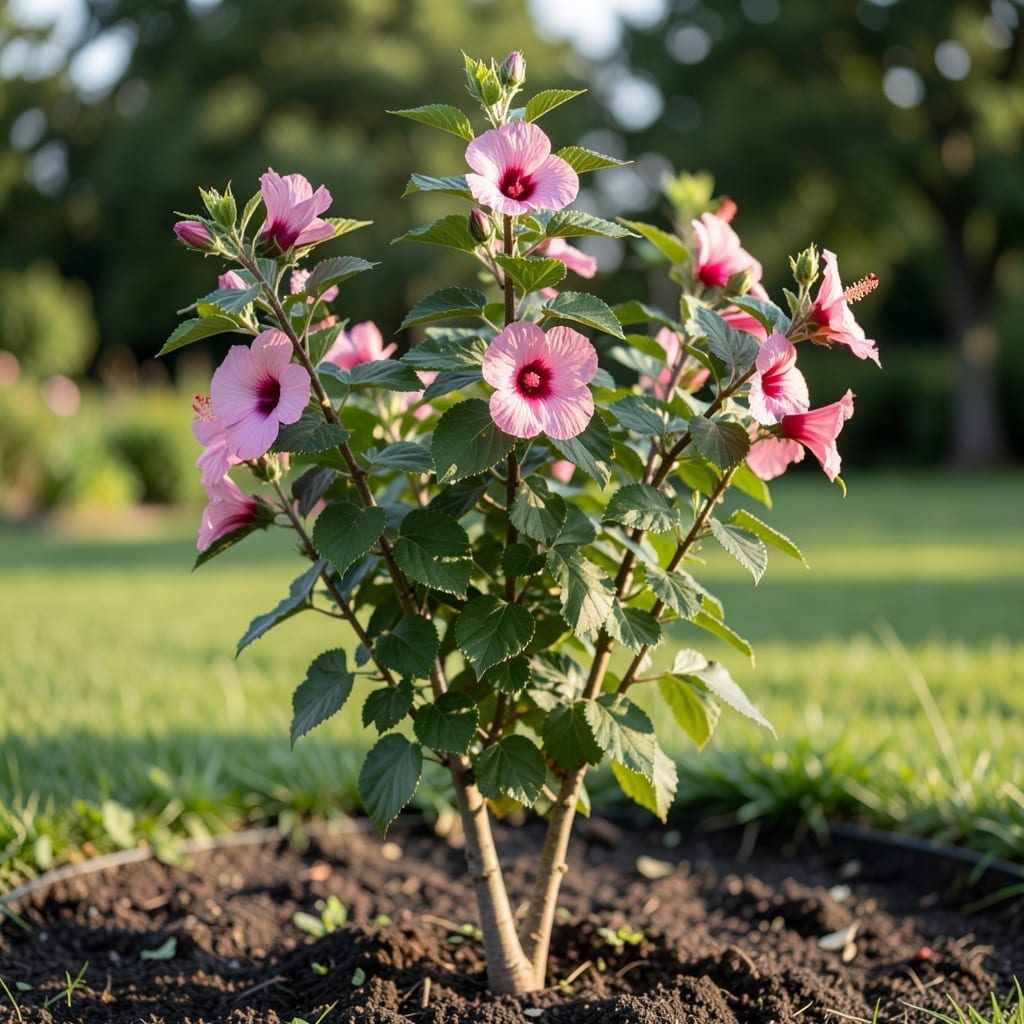
Rose Of Sharon 🌸 thrives in many landscapes, but its blooming success hinges on one critical factor: sunlight. Whether you’re planting a new shrub or troubleshooting a lackluster performer, understanding its light needs can make all the difference.
This hardy plant isn’t overly fussy, yet it has specific preferences for optimal growth. Getting the light conditions right means the difference between a struggling shrub and one that bursts with vibrant color year after year.
I’ve seen gardeners make the same mistake, assuming all shrubs have identical needs. With Rose Of Sharon, that assumption can cost you those stunning summer blooms you’re dreaming of.
Let me share what I’ve learned about giving this beauty the light it craves. The results will speak for themselves in your garden.

If you’re wondering whether Rose of Sharon needs full sun, the answer is a resounding yes. This hardy shrub thrives with 6+ hours of direct sunlight daily, which fuels its vibrant blooms and lush foliage. Without adequate light, you’ll notice weaker growth and fewer flowers.
While it can tolerate partial shade, especially in hotter climates, full sun exposure is ideal for maximum blooming. In USDA zones 5-9, this shrub performs best when planted in open, sunny spots where it can soak up the rays.
In my experience, Rose of Sharon planted in full sun locations produces the most abundant and colorful flowers. The shrub’s drought tolerance also improves with ample sunlight, making it a low-maintenance choice for sunny gardens.
For gardeners in warmer regions, a bit of afternoon shade can prevent leaf scorch. However, in cooler climates, prioritize maximum sun exposure to ensure robust growth and prolific blooming throughout the season.
If your garden has limited sunlight, consider planting Rose of Sharon near a south-facing wall or in a spot that receives morning sun and afternoon shade. This balance can help mitigate the effects of insufficient light.
I’ve seen firsthand how light exposure directly impacts the shrub’s performance. Plants in full sun not only bloom more but also develop stronger stems and healthier foliage, making them more resistant to pests and diseases.
For container-grown Rose of Sharon, place pots in the sunniest part of your patio or balcony. Rotate the container occasionally to ensure even light distribution and prevent the plant from leaning toward the light source.
Remember, while Rose of Sharon can survive in partial shade, it won’t thrive. To enjoy its stunning summer blooms and vigorous growth, give it the sunlight it craves. Your garden will thank you with a spectacular display of color and life.
In zones with intense summer heat, a little afternoon shade can actually benefit the plant by reducing stress. But in most cases, the more sun, the better the performance 🌻
If your Rose of Sharon looks sad, it might be starved for light. I’ve seen sparse blooms and leggy growth in shrubs tucked in shady spots. These are classic red flags that your plant needs more sun exposure to thrive.
Another telltale sign is pale leaves or reduced flowering. Healthy plants produce vibrant blooms and rich green foliage. Without enough light, the shrub conserves energy, leading to a lackluster display.
To fix light deficiency, I recommend relocating your shrub to a sunnier spot. If that’s not possible, prune nearby trees or structures casting shade. Even a few extra hours of sunlight can make a noticeable difference.
In my experience, morning sun is particularly beneficial. It dries dew quickly, reducing disease risk. If your Rose of Sharon is in a container, move it to follow the sun’s path throughout the day.
Remember, 6+ hours of direct sunlight is ideal. If your plant isn’t meeting this, don’t expect those stunning summer blooms it’s known for. A little adjustment now can lead to a spectacular display next season.
Monitor your shrub’s progress after making changes. It may take a few weeks to see improvement, but the transformation is worth the effort 🌿