
Beautiful Plants For Your Interior
Beautiful Plants For Your Interior
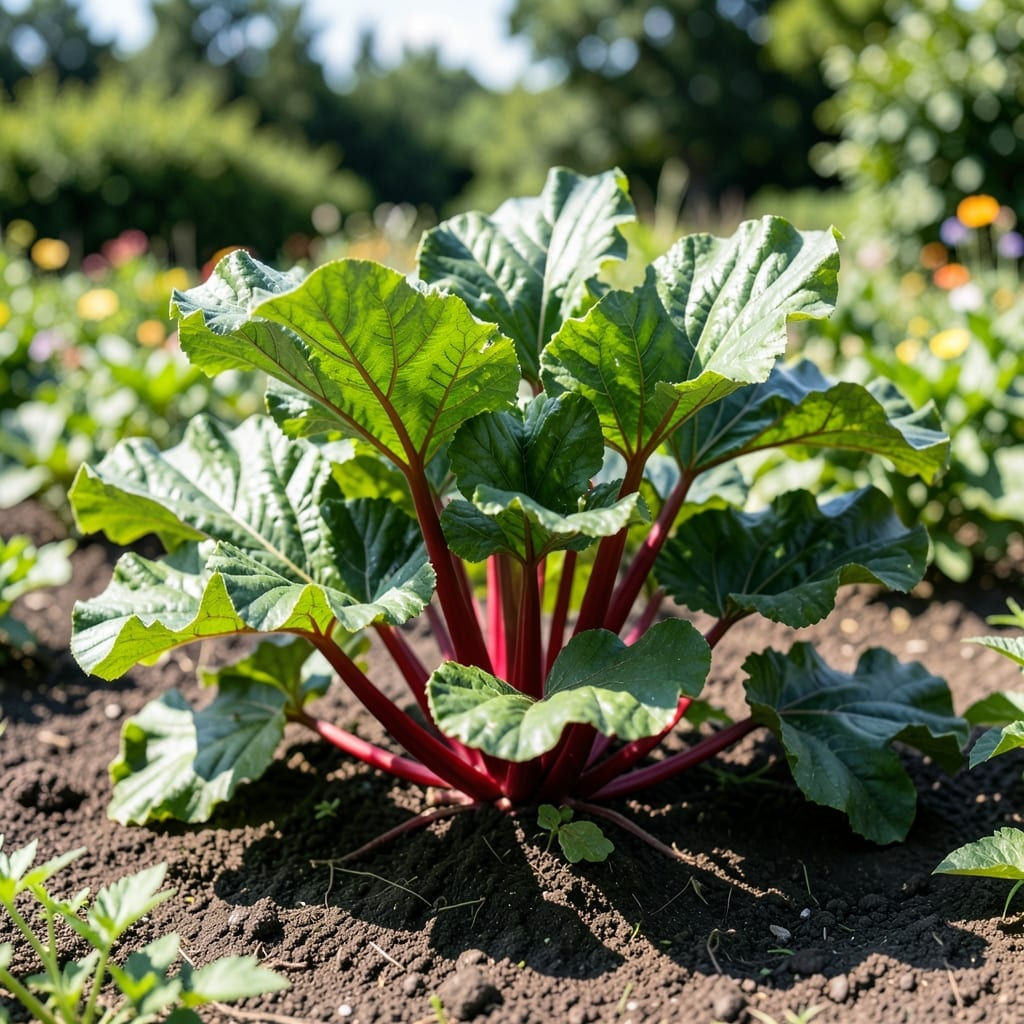
If you’ve ever struggled to grow vibrant stalks of 🌱 Rhubarb, light might be the missing piece. This hardy plant has specific needs that can make or break your harvest.
While some gardeners swear by full sun, Rhubarb actually offers more flexibility than you might think. The key is understanding how light impacts its growth and flavor.
Discover the ideal conditions for your climate and how to adjust for less-than-perfect sunlight. Your most productive Rhubarb season starts here.

When I first started growing rhubarb, I assumed it needed full sun all day. But through trial and error, I learned this hardy perennial is more adaptable than most gardeners realize. The key is finding the right balance for your specific climate and soil conditions.
In my experience, rhubarb thrives with 6-8 hours of direct sunlight daily. However, in hotter climates, I’ve seen plants benefit from some afternoon shade to prevent stress. This flexibility makes rhubarb a great option for many garden layouts.☀️
| body”> | |
|---|---|
| body-row-1 kt-adv-tablebody-row-odd”> | body-cell”>4 hours |
| body-row-3 kt-adv-tablebody-row-odd”> | body-cell”>Morning sun + afternoon shade |
| plants grow slightly slower but produce for a longer period, often into early summer. I always tell fellow gardeners that soil quality can compensate for less-than-ideal light. Rich, well-draining soil with plenty of organic matter helps rhubarb make the most of whatever sunlight it receives. A 2-3 inch layer of compost each spring works wonders. Another observation: stalk color varies with light exposure. My full-sun plants produce the deepest red stalks, while those in partial shade tend toward green. Both are perfectly edible, but the red varieties are often more popular for their appearance. If you’re working with limited sunlight, consider planting near reflective surfaces like white fences or light-colored mulch. This can increase the effective light your rhubarb receives without changing its location. Remember that young plants need extra protection from intense sunlight. I use shade cloth for new rhubarb crowns during their first growing season to prevent stress while they establish their root systems. Signs Your Rhubarb Isn’t Getting Enough LightI’ve learned to spot light deficiency in rhubarb by watching for thin, weak stalks and pale leaves. These are the first red flags that your plant isn’t getting the energy it needs to thrive. Another telltale sign is leggy growth, where the plant stretches unnaturally toward any available light. This often leads to reduced yields and smaller harvests, which defeats the purpose of growing rhubarb in the first place. In my garden, I once planted rhubarb under a dense tree canopy. Despite my best efforts, the plants produced sparse, spindly stalks that were barely worth harvesting. Moving them to a sunnier spot the next year made all the difference. For container-grown rhubarb, light issues are even more critical. I always ensure my pots receive at least 6 hours of direct sun daily. Otherwise, the plants focus on leaf growth rather than producing those coveted stalks. If you notice your rhubarb bolting early (sending up flower stalks), this can also indicate light stress. I’ve found that consistent sunlight helps maintain steady, productive growth rather than premature flowering. Don’t forget to check for competing plants that might be shading your rhubarb. I regularly thin out nearby weeds and trim back overhanging branches to give my plants the best chance to absorb available light. Remember that seasonal changes affect light exposure too. I track how shadows move across my garden throughout the year to ensure my rhubarb gets consistent light as the sun’s angle shifts. |