
Beautiful Plants For Your Interior
Beautiful Plants For Your Interior
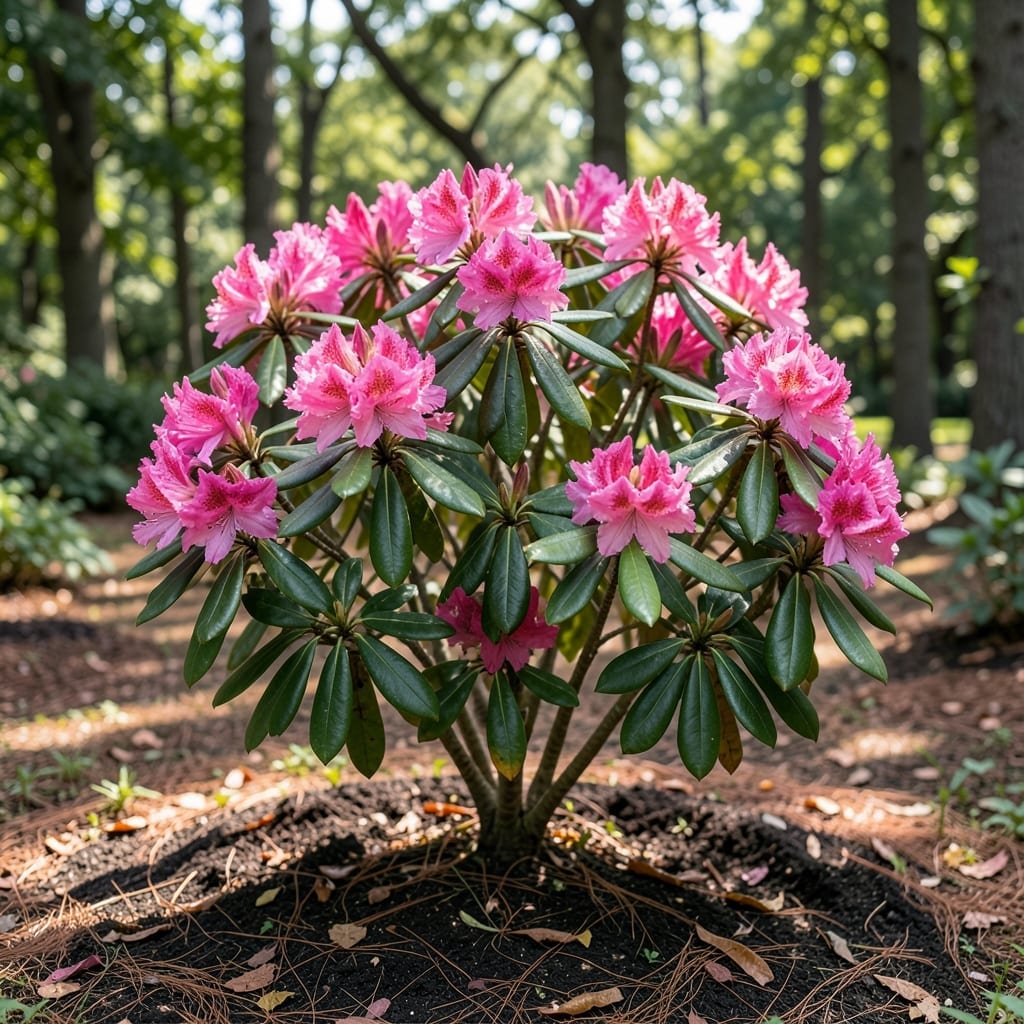
Rhododendrons bring stunning 🌸 blooms to any garden, but their light needs often spark confusion. Many assume these shrubs demand full sun to thrive, yet that couldn’t be further from the truth.
In my experience, the right balance of light makes all the difference for healthy growth. Too much direct sunlight can actually harm these beauty, while the ideal conditions might surprise you.
Let me walk you through what works best for the Rhododendron, especially in zones 4-8. You’ll discover how to create the perfect environment for vibrant, long-lasting color.
Whether you’re planting in spring or fall, understanding light exposure is the first step to success. Here’s what you need to know to get it right.

Many gardeners assume rhododendrons need full sun to thrive, but this isn’t always true. These beautiful shrubs actually prefer partial shade in most climates. I’ve learned that too much direct sunlight can scorch their leaves.
In my experience, 4-6 hours of sunlight per day is ideal. Morning sun with afternoon shade works perfectly, especially in warmer regions. This balance encourages vibrant blooms and healthy foliage without stressing the plant.
| Requirement | Specification |
| Ideal Light | Partial Shade |
| Sun Hours | 4-6 hours daily |
| Best Time | Morning sun |
| Afternoon | Shade recommended |
If you live in a cooler climate, your rhododendron may tolerate more sun. However, in hot areas like USDA zones 7-8, dappled shade is a must. I always position mine under taller trees for natural filtration.
Leaf scorch is a common sign of too much sun. The edges of leaves turn brown and crispy, which is your plant’s way of saying it’s stressed. I’ve seen this happen when rhododendrons are placed in west-facing locations with intense afternoon sun.
For optimal growth, consider the variety. Some newer hybrids are more sun-tolerant, but traditional types still prefer shade. I recommend checking the tag when purchasing to confirm its light preferences.
Soil moisture also plays a role in light tolerance. A rhododendron in well-draining acidic soil can handle a bit more sun than one in dry, compacted earth. I always mulch heavily to retain moisture.
If you’re planting in containers, east-facing patios are ideal. This gives your rhododendron that perfect morning sun while protecting it from harsh afternoon rays. I’ve had great success with this setup on my own balcony.
Remember that young plants are more sensitive to light. They need extra protection until established. I use shade cloth for the first growing season to give them a gentle start.
Finally, observe your plant’s response. If the leaves look healthy and you’re getting abundant flowers, you’ve found the right balance. Gardening is as much about observation as it is about following rules.
With the right light conditions, your rhododendron will reward you with years of stunning blooms and lush foliage. 🌸
I’ve seen many rhododendrons struggle when their light needs aren’t met. The most common sign is leaf scorch, where edges turn brown and crispy from too much direct sunlight.
Another red flag is poor flowering. If your plant isn’t producing those vibrant blooms it’s known for, it might be getting too little light or the wrong kind.
⚠️ Warning: Light Stress in Rhododendrons
Too much full sun causes leaf burn, while too little leads to leggy growth and fewer flowers. Aim for 4-6 hours of gentle light daily.
Leggy growth with long stems and sparse leaves often means your shrub is stretching for more light. This happens in deep shade, where it’s not getting enough energy to thrive.
If you notice yellowing leaves, it could be a sign of nutrient deficiency caused by improper light. Rhododendrons need balanced light to absorb nutrients effectively from the acidic soil they love.
Check your plant in the afternoon. If the leaves look wilted or droopy, it’s likely getting too much harsh sunlight. Morning sun with afternoon shade is the ideal combination for most varieties.
To fix these issues, adjust your plant’s placement gradually. Move it to a spot with dappled sunlight or east-facing exposure for the best results. A little observation goes a long way! ☀️