
Beautiful Plants For Your Interior
Beautiful Plants For Your Interior
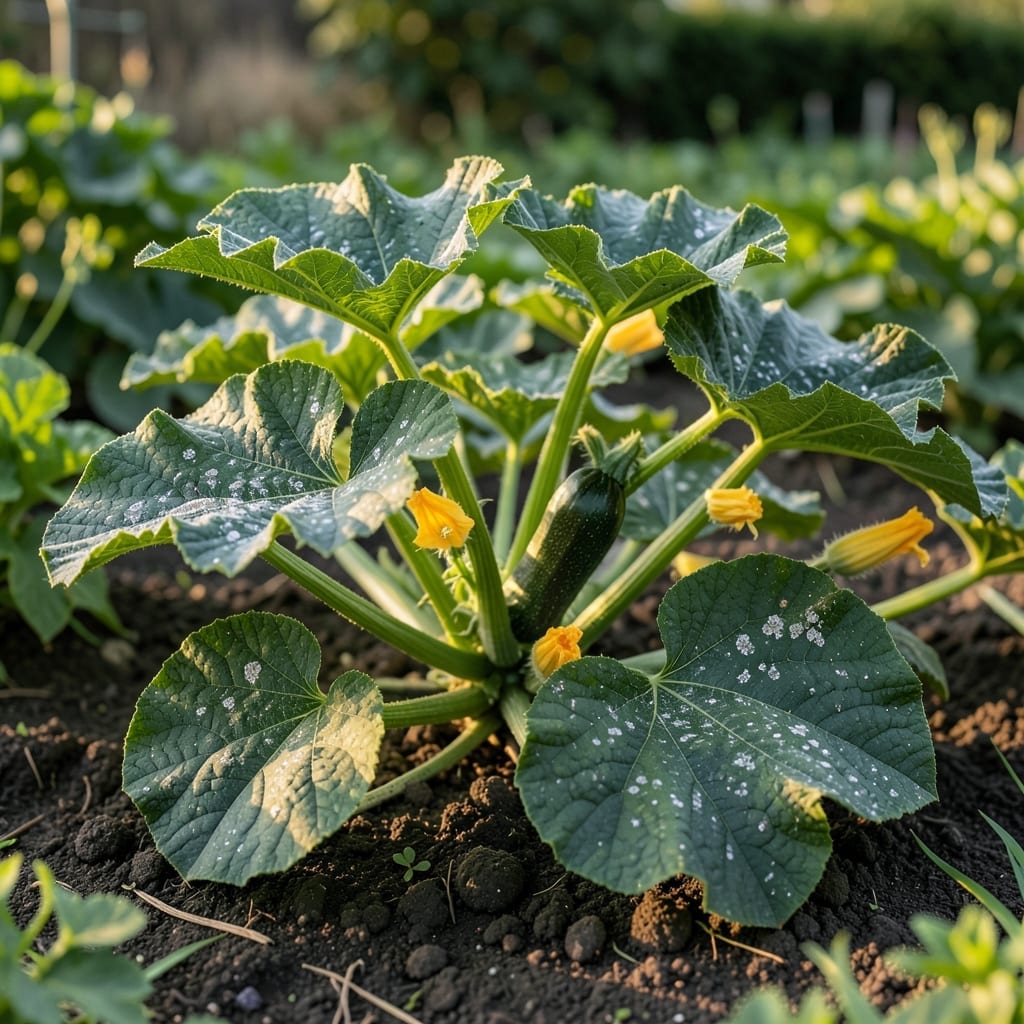
The primary driver is microscopic spores released from infected leaves. A single lesion can produce thousands of spores that become airborne with the slightest breeze. These spores remain viable for 1-3 weeks in dry conditions, waiting for the right moisture and temperature to germinate on new hosts. 🔥
Wind is the most efficient transporter, carrying spores up to 100 feet away from the original infection. Even gentle air currents of 1-2 mph can move them between plants. Water splashing from rain or overhead irrigation also spreads spores, though less effectively than wind.
Direct plant-to-plant contact transfers the fungus when leaves brush against each other.
Environmental conditions dramatically accelerate this process. The fungus thrives at 60-80°F with relative humidity between 40-70%. Unlike many plant diseases, powdery mildew doesn’t require free water to infect—high humidity alone provides sufficient moisture for spore germination. This is why it spreads so rapidly in greenhouses and crowded garden beds. ✨
Contaminated tools and human activity play a surprising role. Pruners, gloves, or even clothing that touches infected plants can carry spores to healthy ones. Studies show that a gardener working with infected plants can unknowingly spread the disease to 5-10 other plants in a single session.
The spores cling to surfaces and remain infectious for days.
Certain plants are more vulnerable during specific growth stages. Young, tender leaves with thin cuticles are particularly susceptible. The fungus can penetrate the plant surface within 6-12 hours of spore contact under ideal conditions. Once inside, it forms specialized feeding structures called haustoria that siphon nutrients from plant cells.
Under ideal conditions, spores can germinate within 6-12 hours of contact. Wind can carry them 100 feet away, infecting new plants within days. Warm, humid weather accelerates this timeline significantly.
Airborne spores are the primary method, traveling on even gentle breezes of 1-2 mph. Water splashing and contaminated tools also spread it without plants touching.
It thrives at 60-80°F with 40-70% humidity. Unlike other fungi, it doesn’t need free water—high humidity alone is enough for spores to germinate.
Yes, but only if done correctly. Remove infected leaves immediately and disinfect tools with 70% isopropyl alcohol between cuts. This prevents spores from hitching a ride to healthy plants.