
Beautiful Plants For Your Interior
Beautiful Plants For Your Interior
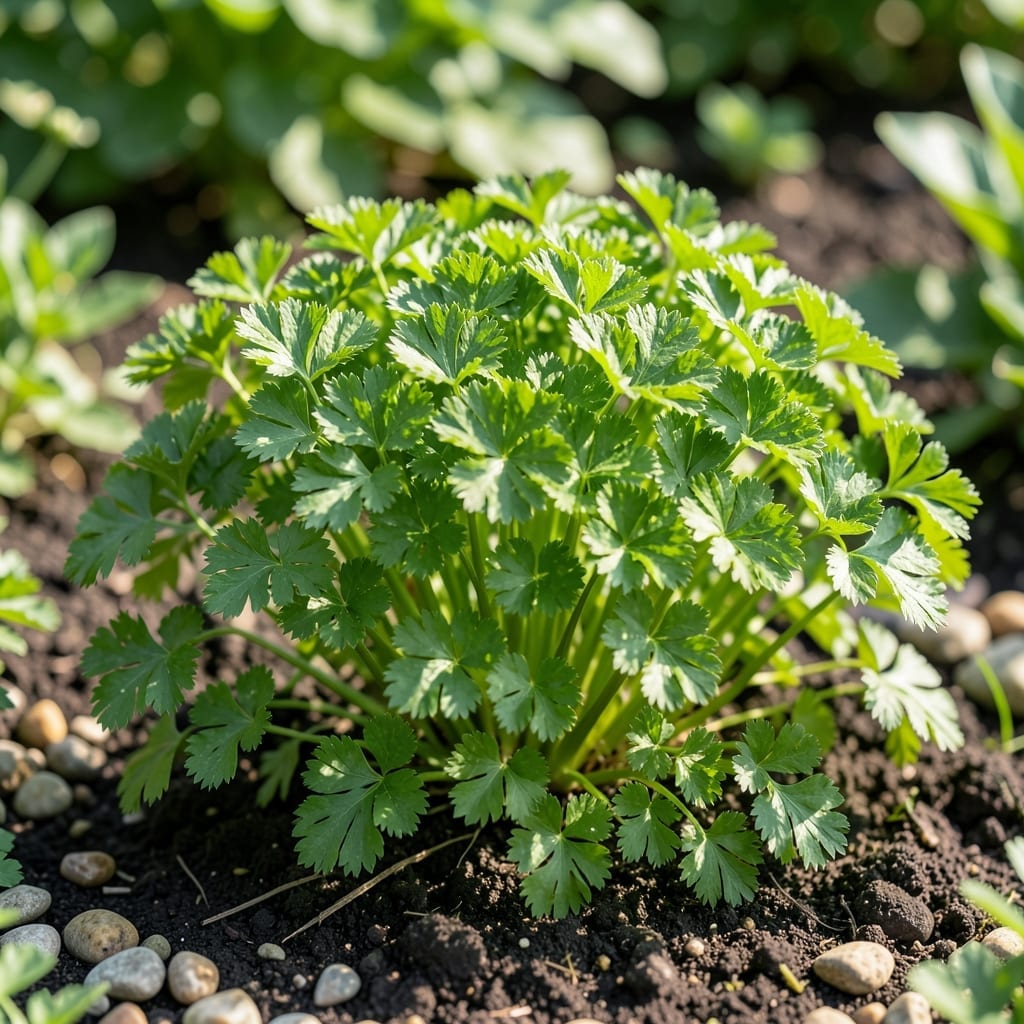
Parsley thrives in the right light conditions, but too much or too little sun can stunt its growth. Understanding its ideal exposure is key to cultivating a lush, flavorful harvest.
The 🌿 Parsley plant is more adaptable than you might think. While it loves sunlight, it doesn’t always need a full day of it to flourish. This makes it a great option for various garden setups.
In zones 5-9, you’ll find it does well with a balance of sun and shade. The trick is knowing how to adjust based on your climate and the season.
Discover how to give your parsley the perfect amount of light for healthy growth, whether you’re planting outdoors or on a windowsill.

I often get asked whether parsley needs full sun to thrive or if it can handle some shade. The answer isn’t black and white, as this hardy herb is surprisingly adaptable to varying light conditions.
From my experience, parsley grows best with 4-6 hours of sunlight daily, but it can tolerate partial shade, especially in hotter climates. This flexibility makes it a great choice for gardens with mixed light exposure.
| Condition | Full Sun | Partial Shade |
|---|---|---|
| Daily Light | 6+ hours | 4-6 hours |
| Growth Rate | Faster, bushier | Slower, leggier |
| Flavor Intensity | Strong, robust | Milder, still good |
| Heat Tolerance | Needs afternoon shade in hot zones | Better in hot climates |
| Soil Moisture | Dries faster, water often | Retains moisture longer |
In cooler climates, I’ve seen parsley flourish in full sun, producing dense, vibrant foliage. The extra sunlight boosts photosynthesis, leading to faster growth and a more abundant harvest.
However, in warmer regions or during peak summer, too much direct sun can scorch the leaves. Here, partial shade in the afternoon helps prevent heat stress while still providing enough light.
For container gardening, I recommend placing parsley pots where they get morning sun and afternoon shade. This mimics its preferred natural conditions and reduces the risk of wilting.
If you’re growing parsley indoors, a south-facing window is ideal, but east or west windows work too. Just ensure it receives at least 4 hours of direct light daily for optimal growth.
I’ve noticed that parsley grown in too much shade tends to become leggy and sparse. The stems stretch toward the light, and the leaves lose their deep green color, signaling a need for more sun.
Conversely, parsley in full sun with poor soil may struggle if the roots can’t access enough water. Always pair good light conditions with well-draining, moist soil for the best results.
For gardeners in USDA zones 5-9, parsley is a biennial that can overwinter with protection. In these cases, adjusting light exposure seasonally helps maintain steady growth year-round.
Ultimately, while parsley doesn’t strictly need full sun, it certainly benefits from plenty of light. Aim for 4-6 hours daily, and adjust based on your climate and growing conditions.
I’ve found that parsley grows best with 4-6 hours of sunlight daily, but it’s adaptable. In cooler climates, it thrives in full sun, while in hotter regions, partial shade prevents scorching. This flexibility makes it ideal for both outdoor gardens and indoor windowsills
For indoor parsley, place pots near an east or west-facing window to provide bright, indirect light. If natural light is limited, a grow light for 6-8 hours works wonders. Outdoors, morning sun with afternoon shade is perfect in warm areas
💡 Key Takeaway: Parsley needs 4-6 hours of sunlight daily. Use east/west windows indoors or morning sun outdoors for best results.
In container gardening, ensure your pots have drainage holes to prevent waterlogging, which can reduce light absorption. I recommend 12-inch deep containers for healthy root development. Grouping parsley with other sun-loving herbs like basil or oregano can also optimize space and light exposure
During seasonal changes, adjust your parsley’s light exposure. In summer, provide shade during the hottest part of the day to avoid wilting. In winter, maximize sunlight by moving pots to south-facing windows or supplementing with grow lights
Outdoor garden beds should be positioned where parsley receives morning sun and dappled afternoon shade, especially in USDA zones 7-9. This balance encourages bushy growth and prevents leaf scorch. I’ve seen parsley flourish in such conditions year after year
If you notice leggy stems or pale leaves, your parsley likely needs more light. Gradually increase exposure to avoid shocking the plant. With the right care, you’ll enjoy a lush, vibrant harvest from spring to fall