
Beautiful Plants For Your Interior
Beautiful Plants For Your Interior
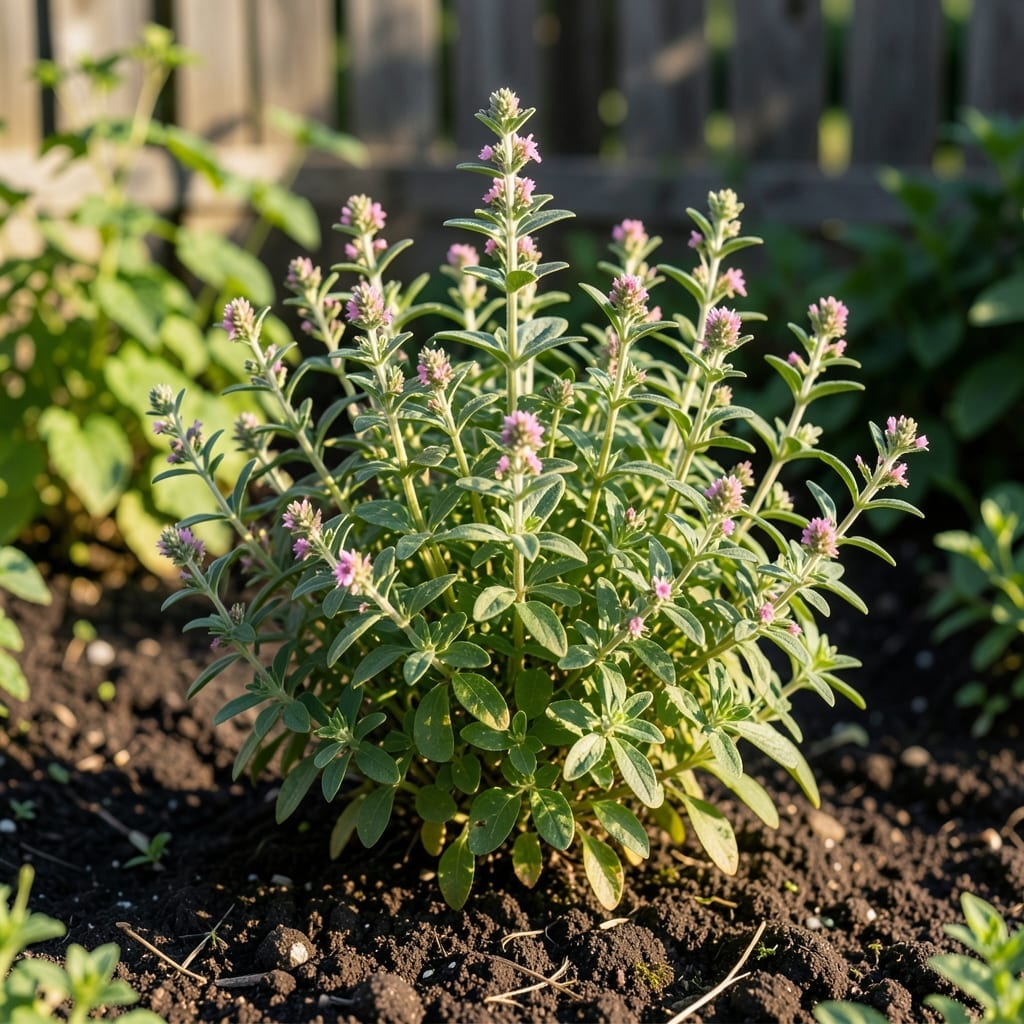
I still remember the first time I planted 🌿 Oregano and wondered why it wasn’t as flavorful as I expected. Turns out, I had it in the wrong spot – too much shade was dulling its signature zing.
Getting the light right is the key to growing this hardy herb. While it can tolerate some shade, full sun brings out its best qualities, from robust growth to that intense aroma we all love.
Whether you’re planting in Zone 4-9 or just starting your herb garden, understanding these light needs will transform your results. I’ll share exactly what works and why.
Discover how to give your oregano the perfect conditions to thrive, with practical tips you can use right away in your own garden.

If you’re wondering does oregano like full sun, the answer is a resounding yes. This Mediterranean herb thrives in 6+ hours of direct sunlight daily. In fact, the more sun it gets, the more intense its flavor becomes.
I’ve grown oregano in full sun for years, and it consistently produces dense, aromatic foliage. While it can tolerate partial shade, the plants tend to grow leggier and less flavorful without adequate light.
| Requirement | Specification |
|---|---|
| Ideal Light | Full sun (6+ hours) |
| Minimum Light | 4-6 hours |
| Shade Tolerance | Low (partial only) |
| Flavor Impact | Stronger in full sun |
In hot climates, I recommend providing afternoon shade to prevent leaf scorch. However, in milder regions, full sun all day produces the best results. The key is well-draining soil to pair with that sunlight.
For container-grown oregano, place pots in a south-facing window or on a sunny patio. I’ve found that terracotta pots work well because they wick away excess moisture, which oregano dislikes.
If you’re in USDA zones 4-9, you’re in luck—this is the ideal range for oregano. In cooler zones, ensure your plants get maximum sunlight to compensate for shorter growing seasons.
I’ve noticed that Greek oregano and Italian oregano varieties are especially sun-loving. These types develop thicker leaves and stronger aromas when given plenty of light.
For those with limited sun, try growing oregano in raised beds where it can access more direct light. Even in partial shade, it will grow, but expect slower development and milder flavor.
Remember, overwatering is a bigger risk than too much sun for oregano. This drought-tolerant herb prefers dry conditions once established, so let the soil dry out between waterings.
In my experience, full sun oregano also resists pests and diseases better. The stronger essential oils produced in sunny conditions act as a natural deterrent to many common garden problems.
Whether in ground beds or containers, prioritize sun exposure for the healthiest oregano. You’ll be rewarded with vibrant, flavorful leaves all season long.
I’ve found that oregano is pretty forgiving, but it does show clear signs when the light exposure isn’t ideal. The most common issue I see is leggy growth, where stems stretch out and look weak.
Another red flag is pale or yellowing leaves, which often means the plant isn’t getting enough direct sunlight. On the flip side, brown, crispy edges can signal sunburn from too much harsh light. ☀️
⚠️ Warning: Light Stress in Oregano
Leggy growth and pale leaves mean not enough sun. Brown spots? Your oregano may need afternoon shade in hot climates.
If your oregano’s flavor seems weaker than usual, that’s another clue. Full sun helps concentrate the essential oils that give oregano its bold taste. Without enough light, the leaves can taste mild or bland.
In my experience, adjusting light is simple. Move potted oregano to a sunnier spot or add shade cloth if it’s getting scorched. For in-ground plants, consider companion planting with taller plants to provide dappled shade.
Don’t forget to monitor soil moisture too. Oregano in full sun dries out faster, so check the top inch of soil. If it’s dry, it’s time to water deeply. 💧
Finally, if you’re growing oregano indoors, a south-facing window is ideal. If that’s not an option, supplement with grow lights for at least 6 hours daily. This mimics the natural sunlight it craves.