
Beautiful Plants For Your Interior
Beautiful Plants For Your Interior
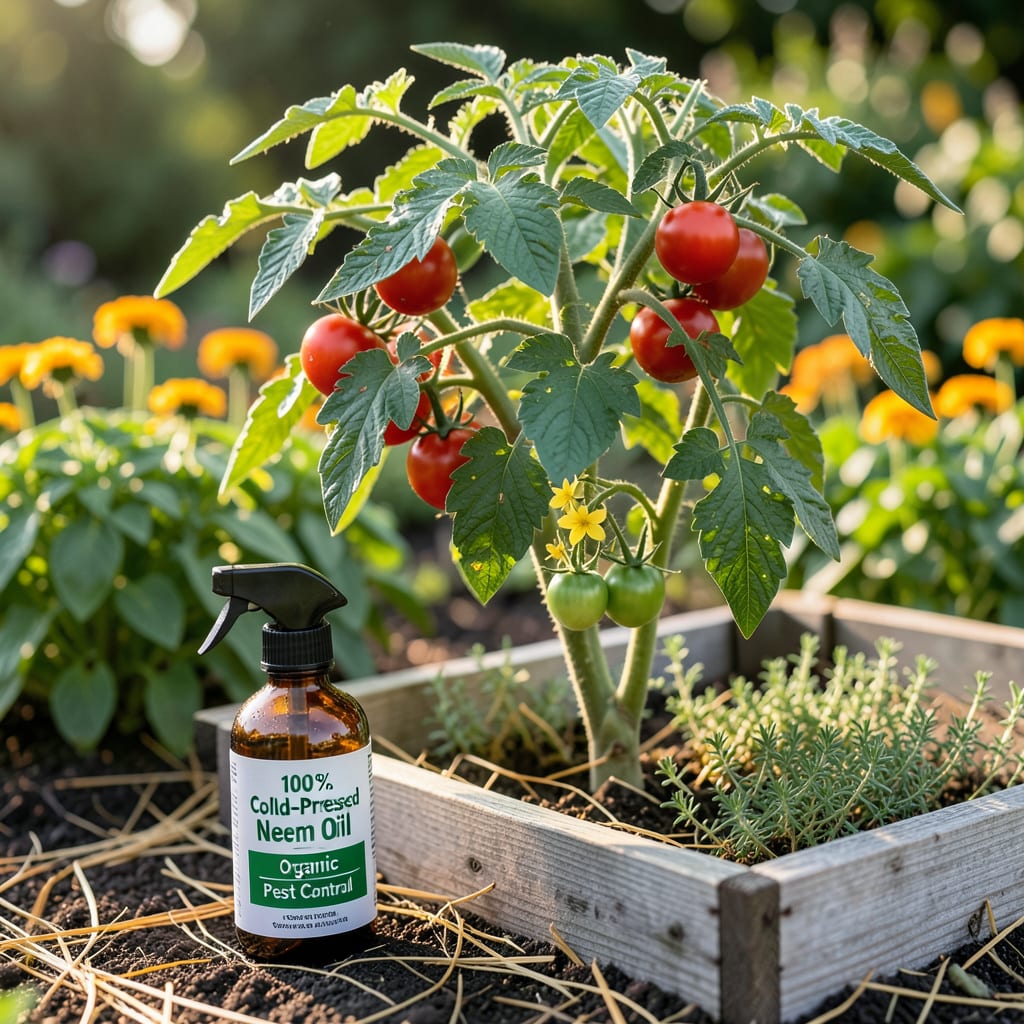
Yes, neem oil effectively repels flies due to its strong azadirachtin compound, which disrupts their feeding and breeding cycles. It works best when diluted and applied as a spray on plants or surfaces where flies gather.
This natural solution goes beyond simple repellency—it actually confuses flies’ biological systems. 🔥 The azadirachtin mimics insect hormones, sending false signals that disrupt their life cycle at multiple stages. I’ve found it particularly effective against common houseflies and fruit flies when applied consistently every 3-5 days during peak season.
What makes neem oil stand out is its dual action: it repels existing flies while preventing new ones from developing. ✨ Unlike chemical sprays that just mask odors, neem creates an invisible barrier that flies instinctively avoid. For best results, I recommend mixing 1 tablespoon of neem oil with 1 teaspoon of mild soap per quart of water to ensure proper dispersion.
💡 In This Article
The secret weapon in neem oil is azadirachtin, a complex limonoid compound that mimics insect hormones called ecdysones. When flies encounter neem-treated surfaces, this compound interferes with their molting process and reproductive systems. 🔥 The azadirachtin binds to hormone receptors, sending false signals that prevent larvae from maturing and adults from laying viable eggs.
What’s fascinating is how neem oil affects fly feeding patterns. The bitter taste and strong aroma (detectable at concentrations as low as 0.1%) trigger avoidance behaviors in flies. Research shows that houseflies exposed to neem oil solutions reduce their feeding activity by up to 70% within 24 hours.
This isn’t just repellency—it’s a complete disruption of their natural behaviors through multiple sensory pathways.
The oil also creates a physical barrier that’s undetectable to humans but highly irritating to flies. When applied to surfaces, neem oil’s hydrophobic properties make it difficult for flies to land and grip properly.
✨ Unlike synthetic repellents that simply mask odors, neem oil works at the cellular level, affecting everything from a fly’s ability to taste food to its mating rituals.
Studies comparing neem oil to DEET-based repellents found that while DEET provides immediate knockdown effects, neem oil offers longer-term population control. The azadirachtin remains active on surfaces for 7-10 days under normal conditions, continuing to disrupt fly life cycles even after initial application. This makes it particularly effective for outdoor areas where flies continuously reinfest.
One often overlooked aspect is neem oil’s effect on fly pheromones. The compound interferes with the production and detection of mating signals, reducing fly populations over time rather than just temporarily dispersing them. 💫 This is why consistent application every 3-5 days during peak fly season yields the best results—it maintains the hormonal disruption cycle.
For maximum effectiveness, the oil needs to be properly emulsified. When mixed with water and a surfactant (like mild soap), the azadirachtin particles become evenly distributed, creating a microscopic film that covers surfaces completely. This uniform coating is what makes the difference between temporary relief and long-term fly control.
You’ll notice reduced fly activity within 1-2 hours of application, with maximum effectiveness at 24 hours. The azadirachtin compound immediately disrupts their feeding patterns, while the full hormonal effects take about a day to develop. Reapply every 3-5 days for continuous protection.
Yes, but with precautions. Neem oil is non-toxic to humans and breaks down quickly in sunlight. Always spray food areas 2+ hours before use and wipe surfaces with a damp cloth afterward. Avoid direct contact with food, utensils, or cooking surfaces during application.
Neem oil repels but doesn’t kill instantly. Some determined flies may briefly land before leaving. This is normal—the oil’s bitter taste and hormonal disruptors work over time. Consistent application reduces this behavior significantly within 3-4 treatments as the fly population declines.
Combining 1 tablespoon neem oil with 5 drops each of peppermint and eucalyptus oil creates a powerhouse spray. The complementary scents enhance repellency while neem’s azadirachtin handles the hormonal disruption. Always test small areas first for plant sensitivity.
Properly stored in a cool, dark place, your spray remains effective for 2 weeks. After that, the azadirachtin begins degrading. For longer storage, keep concentrated neem oil separate and mix fresh batches as needed. Shake well before each use, as ingredients naturally separate.
