
Beautiful Plants For Your Interior
Beautiful Plants For Your Interior
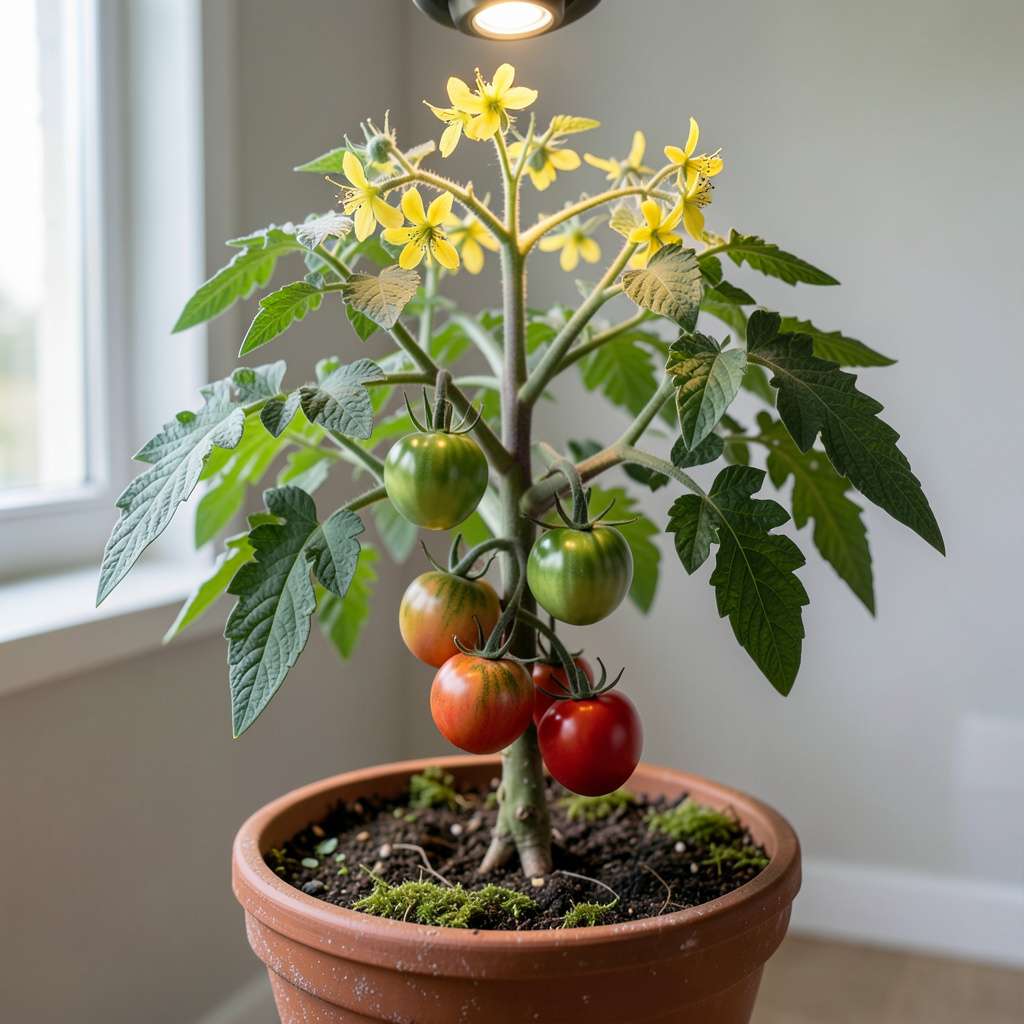
Research shows certain sound frequencies—especially classical music or vibrations between 115-250 Hz—may slightly boost plant growth by stimulating cellular activity. However, loud or harsh noises can stress plants, potentially slowing development.
I’ve seen firsthand how plants respond to their environment, and sound is no exception. The key lies in how vibrations interact with plant cells—gentle, rhythmic frequencies appear to enhance nutrient absorption through roots while encouraging stomata (tiny leaf pores) to open more efficiently. 🌱 What’s fascinating is that some commercial greenhouses now experiment with low-frequency sound systems to potentially increase yields, though results vary by plant species. Think of it like giving your plants a subtle, sonic massage that might help them thrive.
💡 In This Article
When sound waves hit plant cells, they create microscopic vibrations that trigger fascinating biological responses. The key player here is the plant’s stomata—tiny pores on leaves that regulate gas exchange. Studies show that frequencies between 115-250 Hz (similar to a cello’s lower notes) cause stomata to open wider, increasing CO₂ absorption by up to 20%.
This happens because the vibrations mimic natural wind patterns, signaling the plant to prepare for potential photosynthesis opportunities. 🌿
The roots aren’t left out of this sonic conversation. Low-frequency vibrations stimulate the production of auxin, a growth hormone that helps roots elongate and branch. Research from South Korea’s National Institute of Agricultural Biotechnology found that rice seedlings exposed to 125 Hz vibrations developed 30% more root mass in just two weeks.
The vibrations appear to create micro-currents in the soil water, helping nutrients move more efficiently toward root tips.
What’s particularly interesting is how different frequencies affect various plant processes. Higher frequencies (500-1000 Hz) seem to accelerate seed germination by breaking dormancy, while mid-range tones (200-300 Hz) boost chlorophyll production. Commercial tomato growers in Italy reported 15% larger fruits when using specific sound patterns during flowering stages.
The vibrations may help distribute growth hormones more evenly throughout the plant.
However, there’s a critical threshold to consider. Sound levels above 85 decibels (about as loud as a food blender) can damage plant cells by creating harmful oxidative stress. The vibrations become too intense, causing cell walls to rupture and disrupting normal growth patterns.
This explains why plants near busy highways or construction sites often show stunted growth—the constant low-frequency rumbles create chronic stress responses in the plants.
The duration of exposure matters too. Most beneficial effects occur with 2-4 hours of daily sound exposure, mimicking natural environmental rhythms. Continuous 24/7 sound actually reduces benefits, as plants need periods of vibrational rest just like they need dark periods for proper growth cycles.
Some advanced greenhouses now use programmed sound cycles that align with the plants’ natural circadian rhythms for optimal results. ✨
It’s also worth noting that different plant species respond differently to sound. Leafy greens like lettuce and spinach show the most dramatic responses to sound stimulation, while woody plants like rosemary demonstrate minimal effects.
This variation suggests that plants with softer cell structures and faster growth cycles benefit more from vibrational stimulation than slow-growing, rigid-stemmed varieties.
Classical music, especially pieces with frequencies between 115-250 Hz, shows the most positive effects. Composers like Mozart and Bach are popular choices. Avoid heavy bass or loud rock music, as these can create stress rather than stimulation.
For best results, limit exposure to 2-4 hours per day, preferably in the morning when plants are most active. Continuous 24/7 sound exposure actually reduces benefits, as plants need vibrational rest periods just like they need darkness.
Yes, sound levels above 85 decibels (about as loud as a blender) can damage plant cells. The intense vibrations create oxidative stress that may rupture cell walls. Always keep volume at conversation level (60-65 decibels) for safety.
No, responses vary significantly. Leafy greens like lettuce show dramatic growth boosts, while woody plants like rosemary demonstrate minimal effects. Fast-growing annuals typically benefit more than slow-growing perennials.
Track weekly changes in leaf size, stem height, and flowering time. Use a ruler for measurements and take photos from the same angle each week. Compare these metrics between music-exposed plants and silent control plants for accurate results.
