
Beautiful Plants For Your Interior
Beautiful Plants For Your Interior
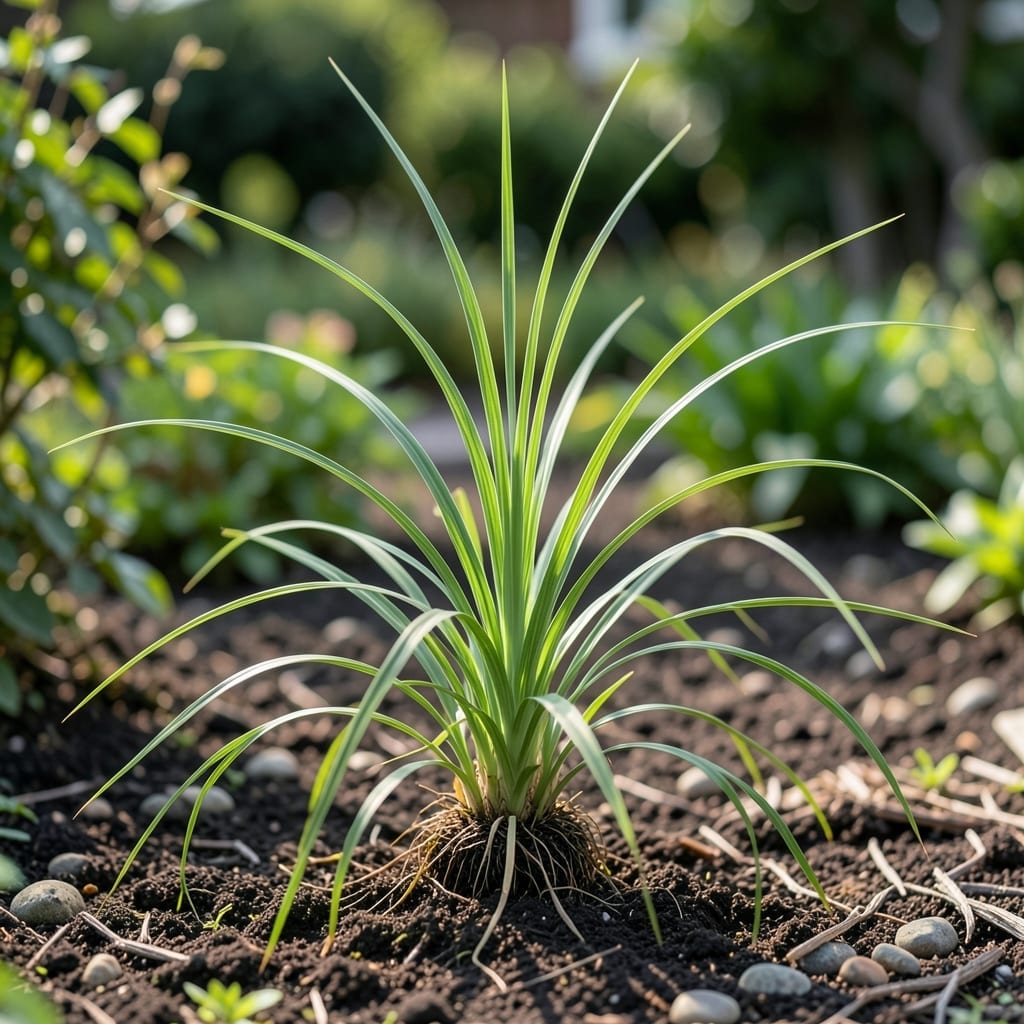
If you’ve ever dreamed of growing your own 🌿 Lemongrass, you’re not alone. This tropical herb brings a burst of citrus flavor to dishes and drinks, but its success hinges on one crucial factor: light.
Many gardeners assume all herbs thrive in partial shade, but Lemongrass is different. It craves warmth and brightness to reach its full potential. Get the light right, and you’ll be rewarded with lush, aromatic stalks.
Let me show you exactly what Lemongrass needs to flourish, whether you’re planting in the ground or in containers. The answer might surprise you.

If you’re growing Lemongrass, you might be wondering about its sunlight needs. This tropical herb absolutely thrives in full sun, which means at least 6-8 hours of direct sunlight daily. Anything less, and you risk stunted growth and weak stalks.
In its native Southeast Asian climate, Lemongrass basks in intense sunlight year-round. Replicating this in your garden ensures robust, aromatic plants. Without enough light, the citrusy oils that define Lemongrass won’t develop properly.
I’ve found that Lemongrass plants in full sun grow taller and produce thicker stalks. The leaves are also more vibrant, and the citrus aroma is noticeably stronger. This is because sunlight fuels photosynthesis, which in turn boosts oil production.
If your garden doesn’t get 6+ hours of sun, don’t worry. Lemongrass can tolerate partial shade, but it won’t thrive. You’ll likely see slower growth and less fragrant foliage. For best results, prioritize the sunniest spot in your yard.
In hotter climates, like USDA zones 9-11, Lemongrass can handle even more sun. However, in extreme heat, a bit of afternoon shade can prevent leaf scorch. Balance is key—just ensure it’s not too much shade.
For container gardeners, place your Lemongrass pots where they’ll get maximum sunlight. A south-facing window or balcony works wonders. Rotate the pots occasionally to ensure even growth on all sides.
Remember, Lemongrass is a tropical plant. It’s used to intense light, so the more you can provide, the better. If you notice pale leaves or weak stems, it’s likely a sign of insufficient light.
In my experience, morning sun is particularly beneficial. It’s less harsh than afternoon sun and helps dry any dew on the leaves, reducing the risk of fungal diseases. Combine this with well-draining soil, and your Lemongrass will flourish.
Finally, if you’re growing Lemongrass indoors, you’ll need to supplement natural light with grow lights. Aim for 12-14 hours of light per day to mimic the tropical conditions it loves. Without this, indoor plants often struggle to reach their full potential.
With the right light, your Lemongrass will reward you with lush, aromatic growth that’s perfect for teas, soups, and more ☀️🌿
Even with the best intentions, Lemongrass can struggle if it’s not getting enough light. One of the first signs I notice is yellowing leaves, particularly on the lower parts of the plant. This is often a clear indicator of light deficiency.
Another red flag is stunted growth. If your Lemongrass seems to be growing much slower than expected, or the stalks are thin and weak, it’s likely not getting the 6-8 hours of sun it needs to thrive.
⚠️ Light Deficiency Alert
Watch for pale leaves, weak stems, or poor aroma. These are signs your Lemongrass needs more sunlight to produce its signature citrusy oils.
Weak or spindly stems are another common symptom. Without adequate light, the plant can’t produce the energy it needs to grow strong, sturdy stalks. This often leads to plants that topple over easily in wind or rain.
You might also notice a lack of aroma. Lemongrass is prized for its citrusy scent, but without enough light, the essential oils that create this fragrance won’t develop properly. If your plant smells weak, it’s a sign to move it to a sunnier spot.
If you see long gaps between leaves on the stalks, this is called etiolation—a classic sign of light deprivation. The plant stretches toward the light it can find, resulting in leggy, sparse growth.
To fix these issues, gradually move your Lemongrass to a location with more sunlight. If you’re growing it indoors, consider supplementing with grow lights for 12-14 hours a day. With the right adjustments, your plant should bounce back quickly 🌿☀️