
Beautiful Plants For Your Interior
Beautiful Plants For Your Interior
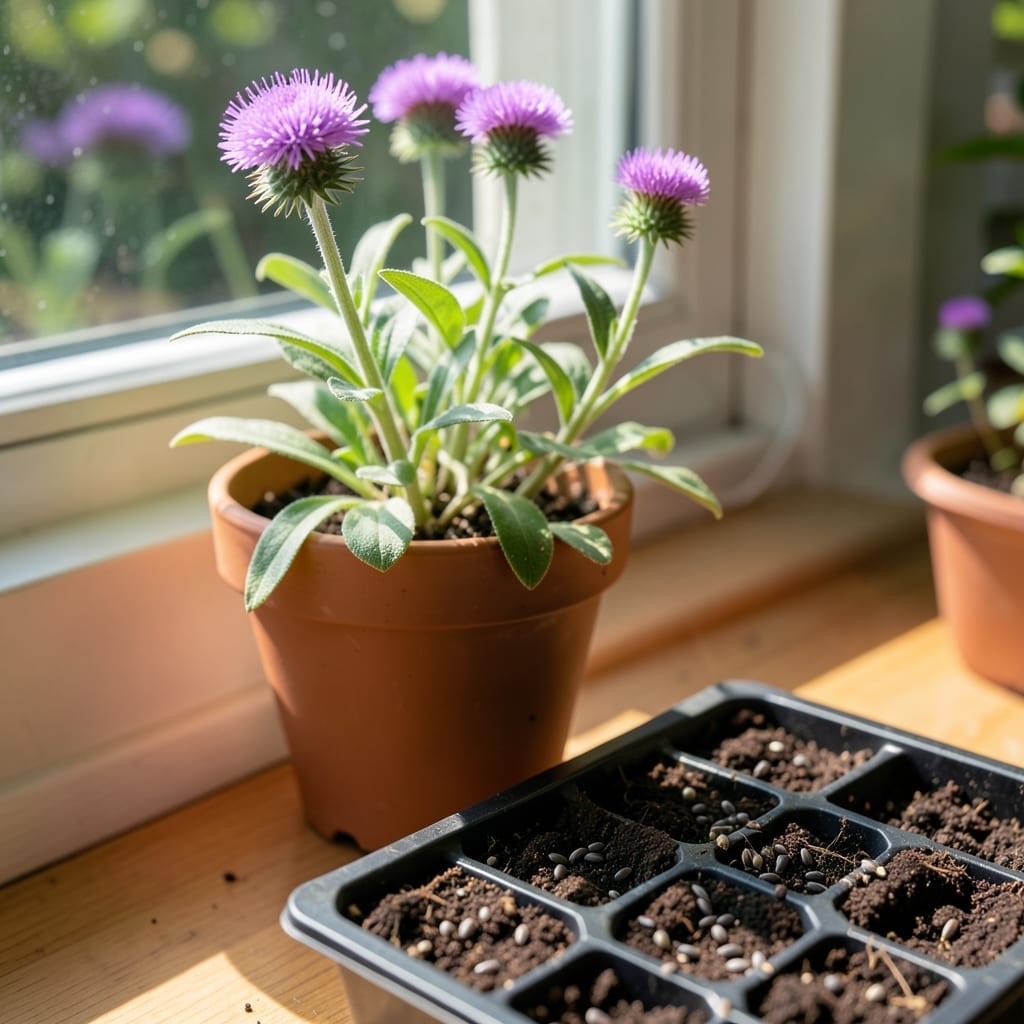
Gomphrena 🌸 with its vibrant globe-shaped blooms is a gardener’s delight, but successful germination starts with one crucial detail. Many struggle to get these drought-tolerant annuals to sprout, often overlooking the most important factor.
You might think all seeds need total darkness to germinate, but that’s not always the case. With Gomphrena, the right light conditions can mean the difference between faster sprouting and a failed crop.
I’ve tested different methods, and what I discovered about light exposure changed my approach entirely. Whether you’re a beginner or a seasoned gardener, this insight will save you time and frustration.
Let’s dive into the science and practical steps to ensure your Gomphrena seeds thrive from the very beginning.

When I first started growing Gomphrena, I assumed all seeds needed total darkness to germinate. But with this drought-tolerant annual, I quickly learned that light plays a crucial role in successful sprouting. The science is clear: these seeds are light-dependent germinators.
Unlike some varieties that require darkness, Gomphrena seeds need light to trigger the germination process. This means they should be sown on the soil surface rather than buried deeply. Covering them too much can actually prevent sprouting.
| Requirement | Specification |
|---|---|
| Light Need | Direct light required |
| Sowing Depth | Surface sow (no covering) |
| Best Setup | Bright windowsill or grow lights |
I’ve had the best results using a bright windowsill or grow lights positioned just a few inches above the seeds. The light triggers the germination process, while consistent warmth helps maintain progress. Without adequate light, you might see poor or uneven sprouting.
It’s important to note that while light is essential, direct sunlight through a window can sometimes be too intense for young seedlings. I recommend using a sheer curtain to diffuse the light if you’re starting seeds indoors near a south-facing window.
For those using artificial grow lights, keep them on for 12-16 hours daily. This mimics natural daylight and provides the consistent light exposure that Gomphrena seeds crave. I’ve found that LED grow lights work particularly well for this purpose.
Remember, the quality of light matters as much as the quantity. If your seeds aren’t sprouting within 7-14 days, it might be time to evaluate your light source. Weak or inconsistent light is often the culprit behind poor germination rates.
Another tip I’ve learned: if you’re sowing directly outdoors, choose a sunny location where the seeds will receive at least 6 hours of direct sunlight daily. The soil temperature should be consistently above 70°F for optimal results.
In my experience, the combination of light and warmth is what really gets Gomphrena seeds going. I’ve had batches fail in cooler, shadier spots, only to thrive when moved to a sunnier, warmer location. It’s a simple adjustment that can make all the difference.
So, to answer the burning question: yes, Gomphrena absolutely needs light to germinate. Embrace this requirement, and you’ll be rewarded with strong, healthy seedlings ready to produce those beautiful globe-shaped blooms we all love so much.
☀️While light exposure is crucial for Gomphrena germination, other factors play a big role too. I’ve found that soil temperature between 70-75°F gives the best results for these vibrant flowers.
Consistent moisture levels are also key, but be careful not to overwater. A well-draining seed mix prevents rot while keeping seeds hydrated. I use a spray bottle to mist gently without disturbing the soil.☀️
🌱 Key Germination Factors
Keep soil warm and moist but never soggy. Use a heat mat if indoor temps are cool.
Sow Gomphrena seeds just 1/8 inch deep—they need light to trigger germination, so shallow planting is essential. I’ve had success with seed trays placed near a sunny window.
Humidity helps too. Covering trays with plastic wrap creates a mini greenhouse effect, but remove it once sprouts appear to prevent mold. Air circulation is just as important as warmth.🌿
If starting indoors, use grow lights for 12-14 hours daily if natural light is limited. I noticed my seeds sprouted 3-5 days faster under artificial light compared to a north-facing window.
Finally, be patient. Gomphrena seeds typically germinate in 7-14 days under ideal conditions. If nothing appears after 3 weeks, check your setup for temperature or moisture issues.