
Beautiful Plants For Your Interior
Beautiful Plants For Your Interior
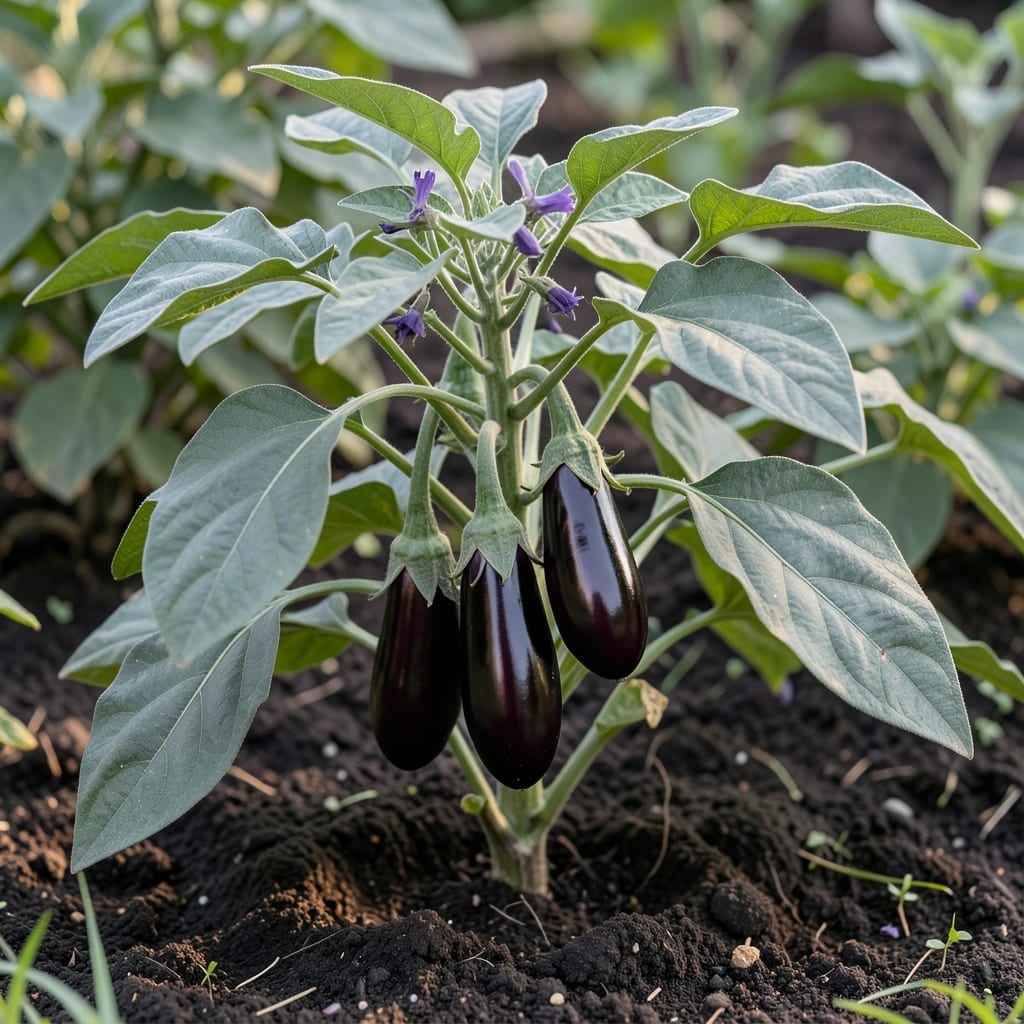
Eggplants thrive in warm conditions, but getting their light requirements right is the key to a productive harvest. Many gardeners wonder if these versatile plants truly need full sun to flourish.
I’ve found that understanding the ideal light conditions can make or break your 🍆 Eggplant crop. Whether you’re a seasoned gardener or just starting out, this insight will help you grow healthier plants.
Discover how much sunlight your eggplants really need and learn practical tips to ensure they get it. Let’s set your garden up for success this season.

Eggplants are sun-worshipping plants that thrive with abundant light. In my experience, they perform best with 6-8 hours of direct sunlight daily. This ensures robust growth and maximum fruit production for your garden.
Without sufficient light, eggplants may grow leggy and weak, producing fewer fruits. The intense sunlight helps develop their signature glossy skin and rich flavor we all love in the garden.
| Requirement | Specification |
|---|---|
| Daily Sunlight | 6-8 hours |
| Light Type | Direct sunlight |
| Ideal Exposure | South-facing |
| Heat Tolerance | High |
The quality of sunlight matters as much as quantity. Eggplants need unfiltered direct light to photosynthesize effectively. I recommend placing them in the sunniest spot of your garden.
In hotter climates, some afternoon shade can prevent heat stress. However, in cooler areas, full sun is non-negotiable for good yields. I’ve seen plants struggle with less than 6 hours of direct light.
For container gardening, ensure your eggplant pots receive maximum sunlight. A south-facing balcony or patio works wonders. I’ve grown healthy plants in pots with proper light exposure.
The fruit development stage is particularly light-sensitive. Without enough sun, your eggplants may produce smaller or misshapen fruits. I always prioritize light during this crucial phase.
Remember that soil temperature also plays a role. Eggplants prefer warm soil (above 60°F) along with their sunlight. I use black plastic mulch to help warm the soil.
If your garden has partial shade, consider planting eggplants where they’ll get morning sun. This is more beneficial than afternoon sun alone. I’ve had success with this approach in less-than-ideal spots.
Finally, consistent light is key throughout the growing season. Avoid moving plants between sun and shade as this can stress them. In my garden, I mark the sunniest spots early in the season for my eggplants. ☀️
Even with the best intentions, eggplants can struggle if they don’t receive enough light. I’ve noticed that stunted growth is often the first sign of insufficient sunlight. Plants may appear spindly and weak instead of bushy and vigorous.
Another red flag is poor flowering. Eggplants need ample light to produce blooms, which eventually turn into fruit. Without enough sun, you’ll see fewer flowers and a disappointing harvest.
Watch for yellowing leaves or small fruits—these are classic signs your eggplant needs more sun. Act quickly to relocate plants or adjust your garden layout.
Small or misshapen fruits can also indicate a light problem. Eggplants require consistent, direct sunlight to develop properly. I’ve seen plants produce tiny or oddly shaped eggplants when shaded for too long.
If you notice leaves turning yellow, it might not just be a watering issue. Insufficient light can cause chlorosis, where leaves lose their vibrant green color. I check light exposure first when I spot this in my garden.
Another telltale sign is slow fruit development. Eggplants should mature within 60-90 days, but without enough sun, they may take much longer. I track growth timelines to catch light issues early.
To fix these problems, I recommend relocating plants to sunnier spots or trimming nearby foliage that casts shade. Even small adjustments can make a big difference in your eggplant’s health and productivity. ☀️