
Beautiful Plants For Your Interior
Beautiful Plants For Your Interior
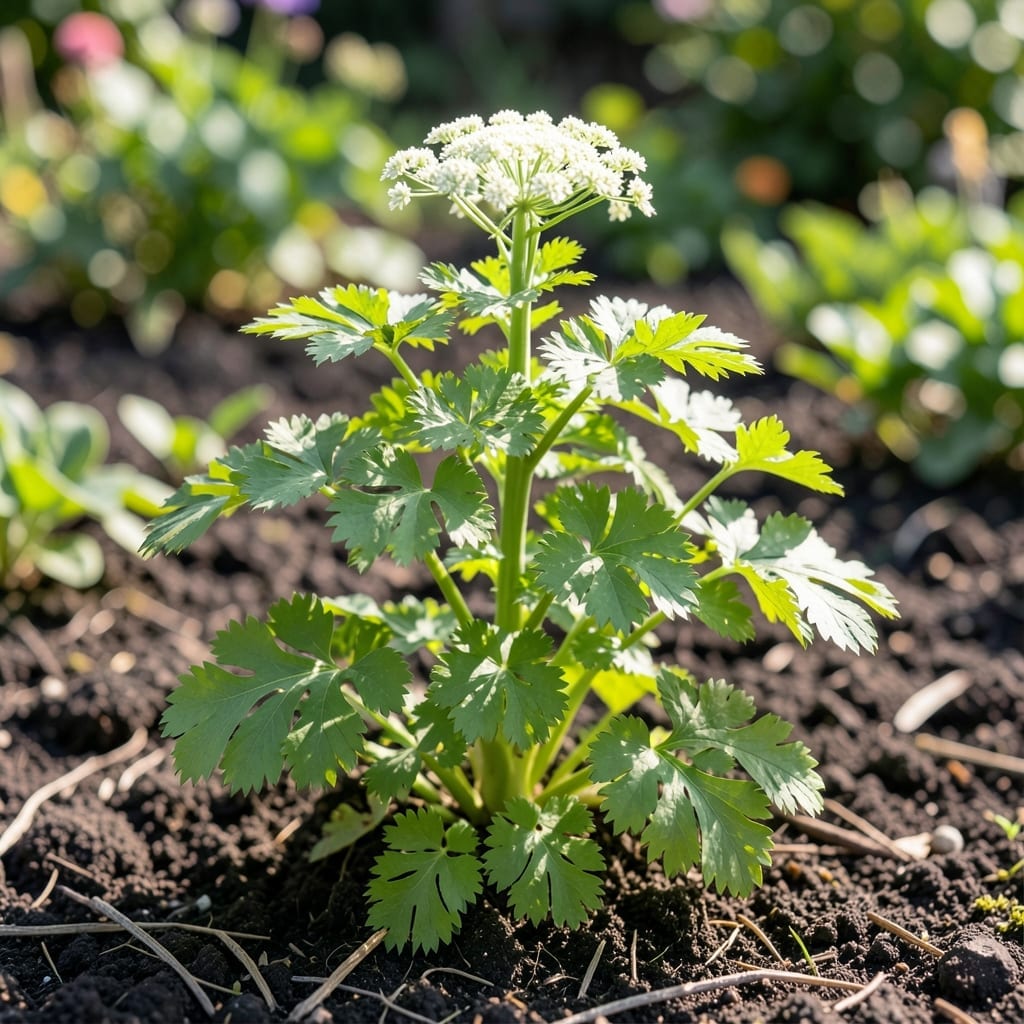
Cilantro’s sun needs often puzzle gardeners. Too much heat can cause bolting, while too little light leads to weak growth. Getting it right makes all the difference for your 🌿 Cilantro.
I’ve learned that finding the sweet spot with sunlight is the key to vibrant, flavorful leaves. It’s more nuanced than simply “full sun” or “full shade.”
Discover how to balance light exposure for healthier plants and a better harvest this season. Let’s break it down.

Cilantro thrives with 4-6 hours of direct sunlight daily. This partial sun requirement makes it perfect for gardens with morning sun and afternoon shade. Too much heat triggers early bolting.
In hotter climates, I recommend light shade during peak afternoon hours. Cooler regions can handle more sun. The key is consistent light without extreme heat.
| Requirement | Specification |
|---|---|
| Ideal Sunlight | 4-6 hours daily |
| Light Type | Partial sun |
| Best Window | East/West-facing |
| Heat Tolerance | Low (bolts in heat) |
I’ve found that morning sunlight produces the best flavor. Afternoon shade helps prevent premature bolting, especially in warmer zones. This balance keeps leaves tender and aromatic.
For container gardening, place pots where they get eastern exposure. This mimics natural cool morning light while avoiding harsh afternoon rays. Rotate pots weekly for even growth.
In cooler climates, cilantro can handle full sun as temperatures stay below 75°F. But watch for signs of stress like yellowing leaves or wilting.
I always use shade cloth in summer. A 30-40% shade cloth works wonders during heatwaves. It filters light while allowing air circulation.
Remember, cilantro bolts fast in hot weather. If you live in USDA zones 8-10, consider planting in fall or winter for best results. The cooler temps extend your harvest window.
For indoor growers, a south-facing window with sheer curtains works. Alternatively, use grow lights for 12-14 hours daily. Keep lights 6-8 inches above plants.
Monitor your plants closely. If they appear leggy or pale, they likely need more light. Conversely, brown edges may indicate too much sun.
With the right balance, you’ll enjoy lush cilantro all season. Experiment to find what works best in your garden’s microclimate 🌿
I’ve seen many gardeners struggle with cilantro’s light needs. The plant sends clear signals when it’s unhappy. Leggy stems and pale leaves often mean it’s craving more sunlight.
Conversely, brown leaf edges or wilting can indicate too much direct sun. In my experience, early bolting is the most obvious sign of heat stress.
⚠️ Warning: Cilantro bolts fast in temperatures above 75°F. If you notice flower stalks forming, move plants to shade immediately to extend your harvest.
For inadequate light, try relocating pots to a sunnier spot or thinning nearby plants. I’ve had success with grow lights for indoor cilantro that’s looking weak.
If your plants are scorched by sun, shade cloth is your best friend. A 40% shade cloth works well during peak summer months. Water deeply in the morning to help recovery.
Another trick I use is container gardening. This lets me move plants to follow the sun or escape harsh afternoon rays. East-facing balconies are ideal for consistent morning light.
Remember, cilantro’s needs change with the seasons. What works in spring may need adjustment in summer. Stay observant and ready to adapt your approach.
With practice, you’ll learn to read your plants’ signals. This attention to detail makes all the difference in growing healthy, flavorful cilantro 🌿