
Beautiful Plants For Your Interior
Beautiful Plants For Your Interior
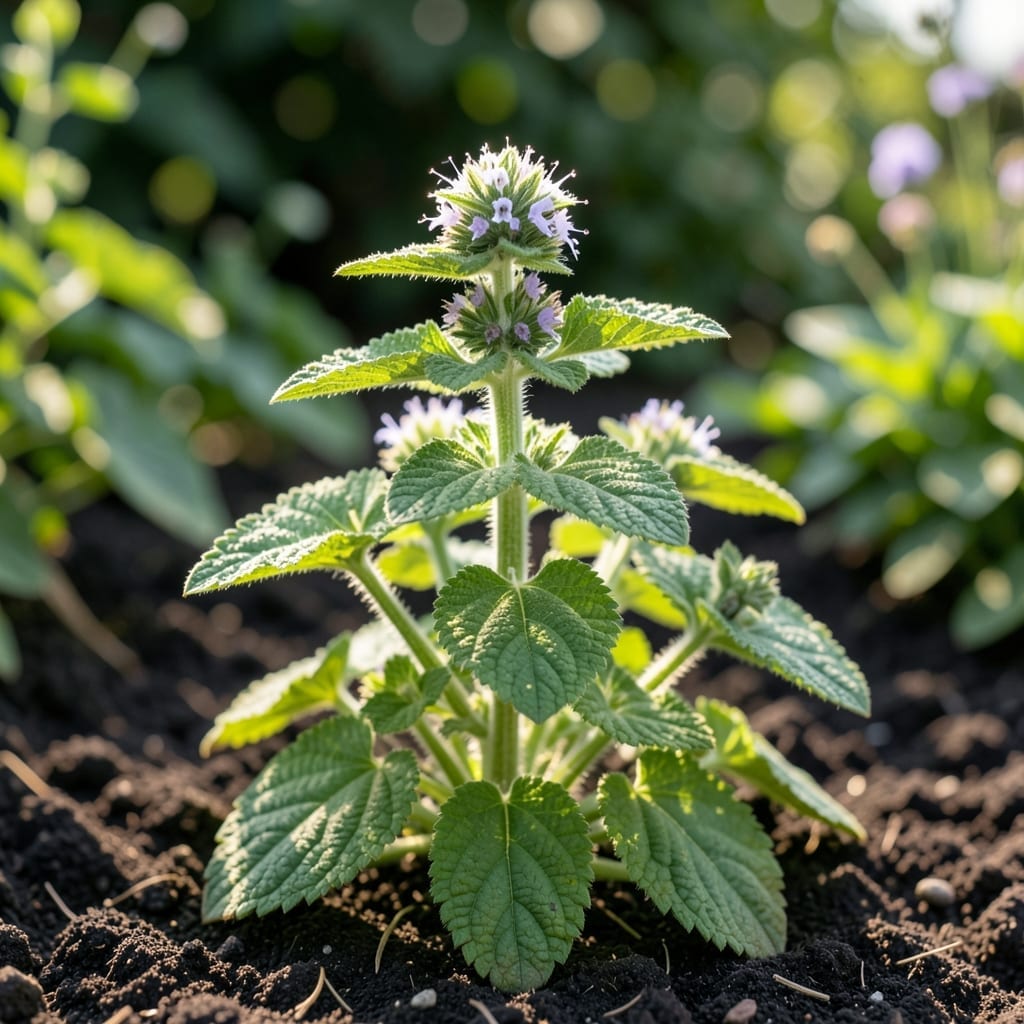
Catnip thrives under the right light conditions, but does it truly need full sun to flourish? Understanding its ideal growing environment can make all the difference.
I’ve grown 🌿 Catnip in various settings, and light plays a key role in its health and aroma. Too little, and it grows leggy. Too much, and it may scorch. The balance is everything.
Whether you’re planting in 3-9 zones or containers, getting the light right ensures vibrant growth. Let me share what works best for this hardy herb.
You’ll discover how to create the perfect conditions for your Catnip to thrive, no matter your garden’s layout.

If you’re growing catnip, you might wonder if it truly needs full sun to thrive. From my experience, 6+ hours of direct sunlight daily is ideal for this hardy herb. However, it can tolerate partial shade if necessary.
In full sun, catnip grows more vigorously, producing dense foliage and stronger aroma. The oils that attract cats are also more potent with ample sunlight. But don’t worry—this plant is adaptable and can still do well in 4-6 hours of sun.
| Requirement | Specification |
|---|---|
| Ideal Sunlight | 6+ hours daily |
| Minimum Sunlight | 4-6 hours daily |
| Light Type | Direct sunlight |
| Shade Tolerance | Moderate |
I’ve found that morning sun is especially beneficial for catnip. It helps dry the dew on leaves quickly, reducing the risk of fungal diseases. In hotter climates, a bit of afternoon shade can prevent the leaves from scorching.
For those growing catnip in containers, place them in a south-facing window or on a balcony with plenty of light. If you notice your plant looking leggy or sparse, it’s likely not getting enough sun.
In my garden, I plant catnip in a spot that gets full morning sun and dappled afternoon shade. This setup keeps the plant healthy and the leaves fragrant. If you’re limited on space, even a sunny windowsill can work for smaller varieties.
Soil conditions also play a role in how well catnip handles sunlight. Well-draining soil helps the plant thrive in full sun without drying out too quickly. I always mix in a bit of compost to retain moisture while ensuring good drainage.
If you’re growing catnip for your feline friends, remember that more sun means stronger aroma and more active compounds. My cats always seem to prefer the plants that get the most sunlight!
Finally, don’t forget to water regularly, especially in full sun. Catnip is drought-tolerant once established, but consistent moisture helps it grow lush and green. I water mine in the early morning to maximize absorption.
With the right balance of sunlight, water, and soil, your catnip will flourish and become a favorite in your garden ☀️
If your catnip plant looks weak or sparse, it might be starved for sunlight. The first sign is often leggy growth, where stems stretch thinly toward any light source. Leaves may turn pale yellow instead of a vibrant green.
Another red flag is reduced aroma. Catnip’s signature scent fades without adequate light, as the plant struggles to produce its essential oils. Weak stems that flop over are also common in low-light conditions.
Warning: Light Deficiency in Catnip
Leggy growth, yellowing leaves, and weak stems signal insufficient sunlight. Move plants to a sunnier spot or thin nearby foliage to improve exposure.
To fix these issues, relocate your catnip to a spot with 6+ hours of sun. If that’s not possible, prune nearby plants to reduce shade. Container-grown catnip can be moved to follow the sun.
I’ve found that morning sun is especially beneficial, as it dries dew quickly, reducing fungal risks. Even in partial shade, catnip can survive, but it won’t thrive like it does in full sun.
For indoor catnip, place pots near a south-facing window. Rotate the plant weekly to ensure even light distribution. Without enough light, growth slows dramatically, and the plant may fail to flower.
Finally, monitor new growth after adjusting light conditions. Healthy catnip bounces back with dense foliage and a strong scent within 2-3 weeks. If problems persist, check for pests or poor soil drainage too.
Always pair good light with consistent watering for the best results ☀️