
Beautiful Plants For Your Interior
Beautiful Plants For Your Interior
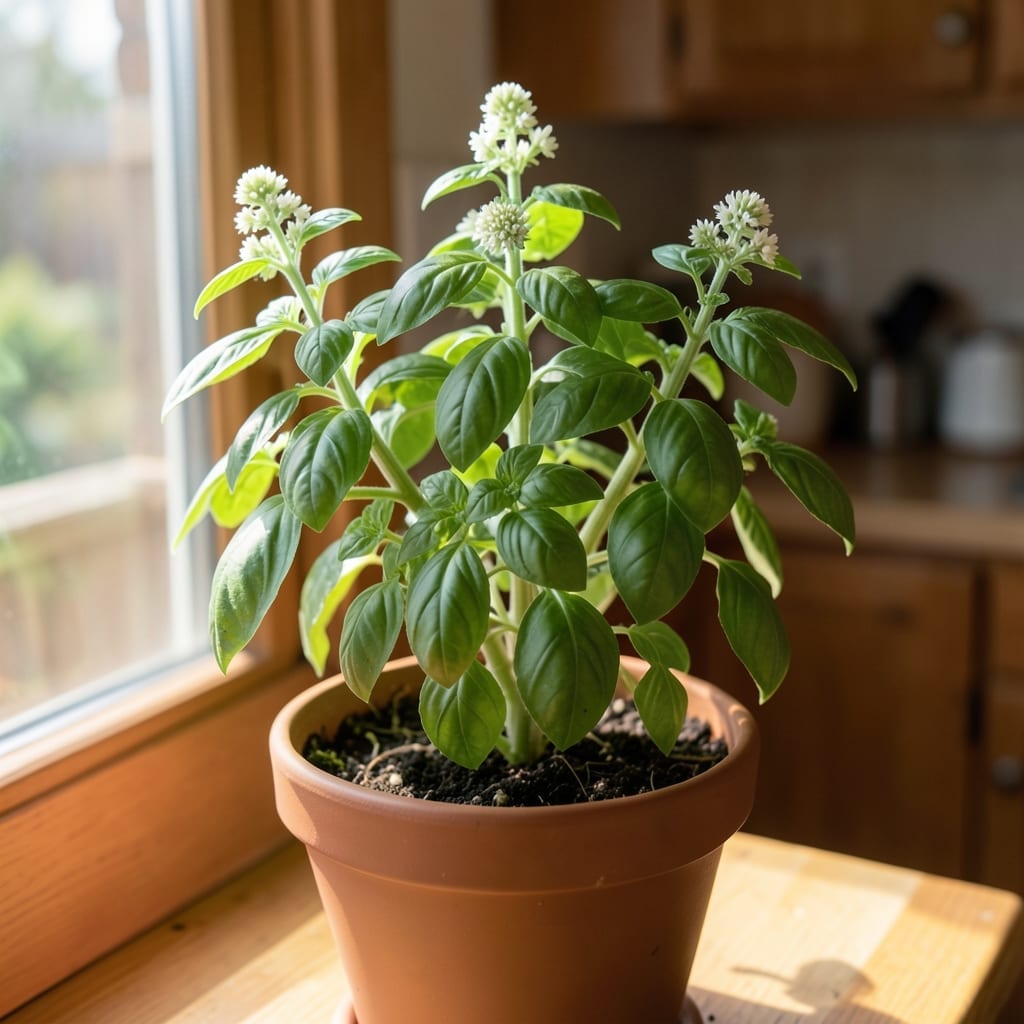
If you’ve ever watched your 🌿 Basil struggle despite your best efforts, sunlight might be the missing piece. This humble herb has specific light needs that can make or break your harvest.
Getting the balance right isn’t complicated, but it does require attention. Too little light leads to weak, leggy plants, while too much can scorch those precious leaves.
I’ve learned through trial and error that 6+ hours of direct sunlight daily brings out Basil’s best. The difference in flavor and growth is truly remarkable.
Discover how to give your plants the ideal light conditions for that vibrant, healthy growth we all want. Let’s get started.

As a sun-loving herb, basil thrives with 6-8 hours of direct sunlight each day. This Mediterranean native has evolved to bask in bright conditions, making it a perfect fit for most summer gardens. ☀️
I’ve found that sweet basil and Genovese varieties do especially well in full sun, while purple basil can tolerate a bit of afternoon shade. The key is consistency—sudden changes in light can stress the plant. 🌿
| Requirement | Specification |
|---|---|
| Ideal Sunlight | 6-8 hours daily |
| Light Type | Direct sun |
| Minimum Sunlight | 4-6 hours |
| Shade Tolerance | Low (needs bright light) |
| Indoor Placement | South-facing window |
If you’re growing basil indoors, a south-facing window is your best bet. Without enough light, plants become leggy and weak, with small, pale leaves. I always recommend supplementing with a grow light if natural light is limited. 🌱
For outdoor gardens, morning sun is gentler and helps dry dew from leaves, reducing disease risk. In hotter climates, a bit of afternoon shade can prevent leaf scorch, especially for younger plants.
Container-grown basil gives you flexibility to move pots based on sunlight. I shift mine to follow the sun’s path, ensuring they get consistent exposure. Even on cloudy days, basil can photosynthesize effectively if the light is bright enough.
Different basil varieties have slightly varied needs. Thai basil and lemon basil can handle a bit more shade, while Italian basil demands full sun for the best flavor. Always check seed packets for variety-specific advice.
In cooler regions, maximize sunlight by planting in raised beds or containers that warm up faster in spring. A black mulch can also help absorb and retain heat, giving your basil a boost.
Remember, seedlings are more sensitive than mature plants. Start them in partial shade and gradually introduce more sun to avoid transplant shock. This hardening-off process takes about a week.
Finally, observe your plants daily. Healthy basil in ideal light will have vibrant green leaves and sturdy stems. If you notice yellowing or wilting, adjust sunlight exposure immediately. ✂️
I’ve found that basil is pretty vocal about its light needs if you know what to look for. When it’s not getting enough, you’ll notice leggy stems stretching toward the light and pale leaves that look weak.
On the flip side, too much direct sun can scorch the leaves, turning them brown or crispy at the edges. Wilting in the afternoon is another red flag that your plant might be getting overwhelmed by heat. ☀️
Another telltale sign is slow growth. If your basil seems stunted compared to others, check its light exposure. I’ve seen plants double in size within a week after moving them to a sunnier spot.
Don’t overlook leaf size either. Small, sparse leaves often mean the plant isn’t getting the 6+ hours of sunlight it craves. If you’re growing indoors, a south-facing window is your best bet.
For outdoor plants, afternoon shade can help in scorching climates. I use a shade cloth during peak summer to prevent heat stress while still letting in plenty of light.
Regularly rotate your pots if growing in containers. This ensures all sides get equal light, preventing lopsided growth. A little attention to these details makes a huge difference in your harvest. 🌱