
Beautiful Plants For Your Interior
Beautiful Plants For Your Interior
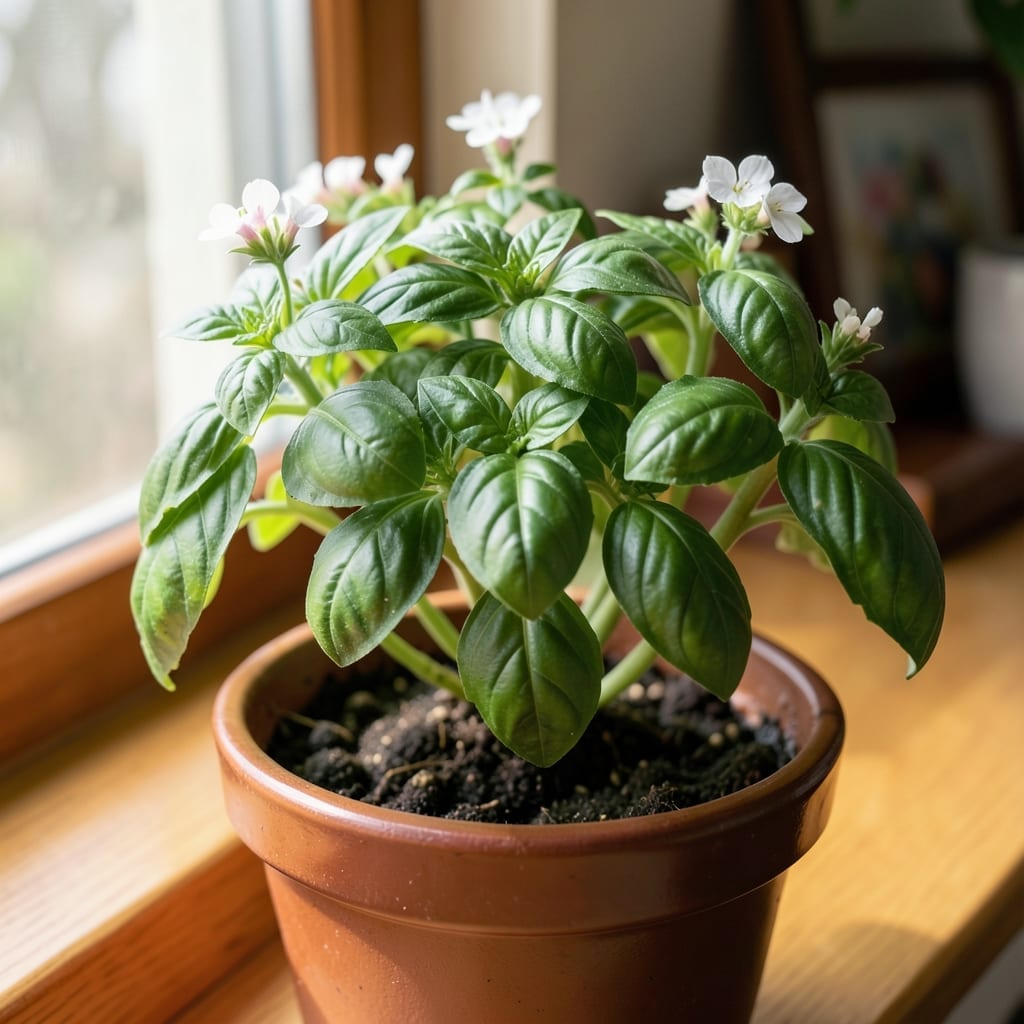
I remember the first time I planted 🌿 Basil—it struggled until I moved it to a sunnier spot. That simple change made all the difference.
Getting the light right is the key to vibrant, flavorful leaves. While Basil loves sunlight, it’s not just about quantity but quality too.
Discover how to give your plants the ideal conditions for healthy growth, whether you have full sun or need to work with partial shade.

I’ve found that basil thrives in full sun, but the exact needs can vary by climate and variety. This sun-loving herb typically requires 6-8 hours of direct sunlight daily for the best growth and flavor.
In my experience, morning sun is ideal as it’s less intense than the harsh afternoon rays. However, basil can tolerate partial shade in hotter regions where the sun is more intense.
| row”> | cell” style=”border-color: #6fd544;”>6-8 hours daily |
|---|---|
| row”> | cell” style=”border-color: #6fd544;”>4-6 hours (partial shade) |
| South-facing |
For gardeners in cooler climates, maximizing sunlight exposure is key. I recommend placing basil in the sunnest spot available, such as a south-facing window or garden bed.
In hotter regions, like USDA zones 9-11, afternoon shade can prevent leaf scorch. I’ve seen basil wilt under the intense midday sun, so some protection is beneficial.
If you’re growing basil indoors, a south-facing window is perfect. Without enough natural light, consider supplementing with grow lights for about 12-14 hours a day.
Container gardening offers flexibility to move plants as needed. On my patio, I shift basil pots to follow the sun’s path, ensuring they get enough light throughout the day.
Different basil varieties may have slightly different needs. For example, Genovese basil loves full sun, while purple basil can handle a bit more shade without sacrificing too much flavor.
Remember, consistent light is more important than occasional intense exposure. Even a few hours of direct morning sun can make a significant difference in your basil’s growth and aroma.
Finally, observe your plants closely. Healthy basil in optimal light will have vibrant green leaves and a strong stem, ready to provide that fresh, aromatic flavor we all love. ☀️
I’ve learned that basil plants show clear signs when their light needs aren’t met. Leggy stems and small leaves often mean they’re stretching for more light, a common issue in shady spots.
On the other hand, yellow leaves or brown edges can signal sunburn from too much direct sunlight, especially in hot climates.
If your basil is wilting during the hottest part of the day, it might need afternoon shade. I’ve saved many plants by simply moving them to a spot with dappled sunlight.
For indoor basil, pale leaves often indicate insufficient light. I recommend rotating pots regularly to ensure even growth and prevent plants from leaning toward the light source.
Stunted growth is another red flag. Basil that isn’t getting enough light will grow slowly and produce fewer leaves, which means less harvest for your efforts.
In my garden, I’ve noticed that purple basil tends to handle partial shade better than sweet basil. If you’re struggling with light, try shade-tolerant varieties.
Finally, monitor your plants after making changes. Healthy basil should show new growth within a week of adjusting its light conditions. ☀️