
Beautiful Plants For Your Interior
Beautiful Plants For Your Interior
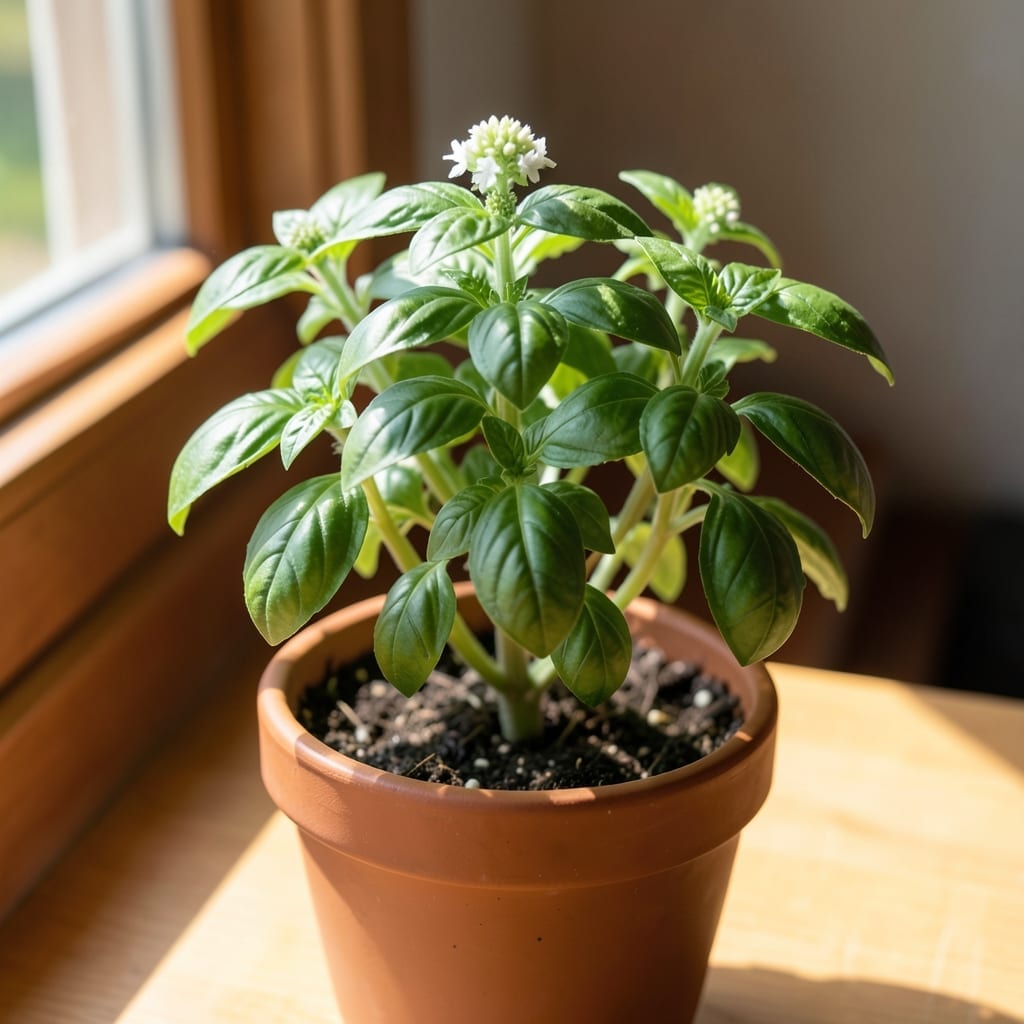
There’s nothing quite like plucking fresh 🌿 Basil leaves for your favorite recipes. But if your plants aren’t thriving, sunlight might be the culprit.
Getting the light right makes all the difference between a lush harvest and a struggling plant. Too much or too little can change everything from flavor to growth rate.
I’ve learned through trial and error that Basil has very specific needs when it comes to sunlight. The good news? Once you find that sweet spot, you’ll be rewarded with abundant, aromatic leaves.
Discover the perfect balance of light exposure to keep your 🌿 Basil happy and healthy all season long. Let’s get started.

As a sun-loving herb, basil thrives with plenty of light. I’ve found that 6 to 8 hours of direct sunlight daily is the sweet spot for vibrant growth and rich flavor. Less than this, and the plant may become leggy or weak.☀️
For outdoor gardens, a south-facing spot ensures maximum exposure. If you’re growing indoors, a sunny windowsill or grow lights can mimic natural conditions effectively. Consistency in light exposure is key to a healthy plant.
In my experience, morning sunlight is gentler and often better for basil than harsh afternoon rays. This is especially true in hotter climates where intense heat can scorch the leaves if not monitored carefully.
For those in cooler regions, maximizing sunlight is crucial. I recommend using reflective surfaces or light-colored mulch to enhance light exposure around the plant base. This can make a noticeable difference in growth.
If you notice your basil isn’t thriving, check its light conditions first. Leggy stems or pale leaves are telltale signs of insufficient light. Adjusting the plant’s position can often resolve these issues quickly.
For container gardening, ensure pots are placed where they can receive ample light. I’ve had success with balcony gardens facing south or west, where basil gets the light it craves without extreme temperature swings.
Grow lights are a great alternative for indoor growers. I use LED grow lights set to 12-14 hours a day for my indoor basil, which mimics natural sunlight effectively and keeps plants compact and bushy.
Remember that light intensity matters as much as duration. Basil prefers bright, direct light over dim or filtered light. If your windows don’t provide enough, supplementing with artificial light can bridge the gap.
Finally, observe your plants regularly. Healthy basil in optimal light will have vibrant green leaves and a robust, bushy shape. If you see signs of stress, such as yellowing or wilting, reassess the light conditions.
With the right balance, your basil will reward you with abundant, aromatic leaves all season long.
If your basil looks leggy or sparse, it’s likely begging for more light. Plants stretch toward sunlight when they’re not getting enough, resulting in long, weak stems with widely spaced leaves.
Another telltale sign is pale or yellowing leaves. Without adequate light, basil can’t produce enough chlorophyll, leading to a sickly appearance and stunted growth.
You might also notice slow growth or a general lack of vigor. Basil needs 6+ hours of direct sunlight daily to thrive, and without it, the plant conserves energy by growing minimally.
Another clue is smaller-than-average leaves. When basil doesn’t get enough light, it can’t produce the large, lush leaves gardeners love. The leaves may also feel thinner or less substantial.
Finally, check the aroma. Basil grown in low light often has a weaker scent. The oils that give basil its characteristic fragrance are produced in greater quantities with ample sunlight.
If you spot these signs, try moving your basil to a sunnier spot or supplementing with a grow light for indoor plants.
With the right adjustments, your basil will bounce back and reward you with vibrant, flavorful leaves. ☀️