
Beautiful Plants For Your Interior
Beautiful Plants For Your Interior
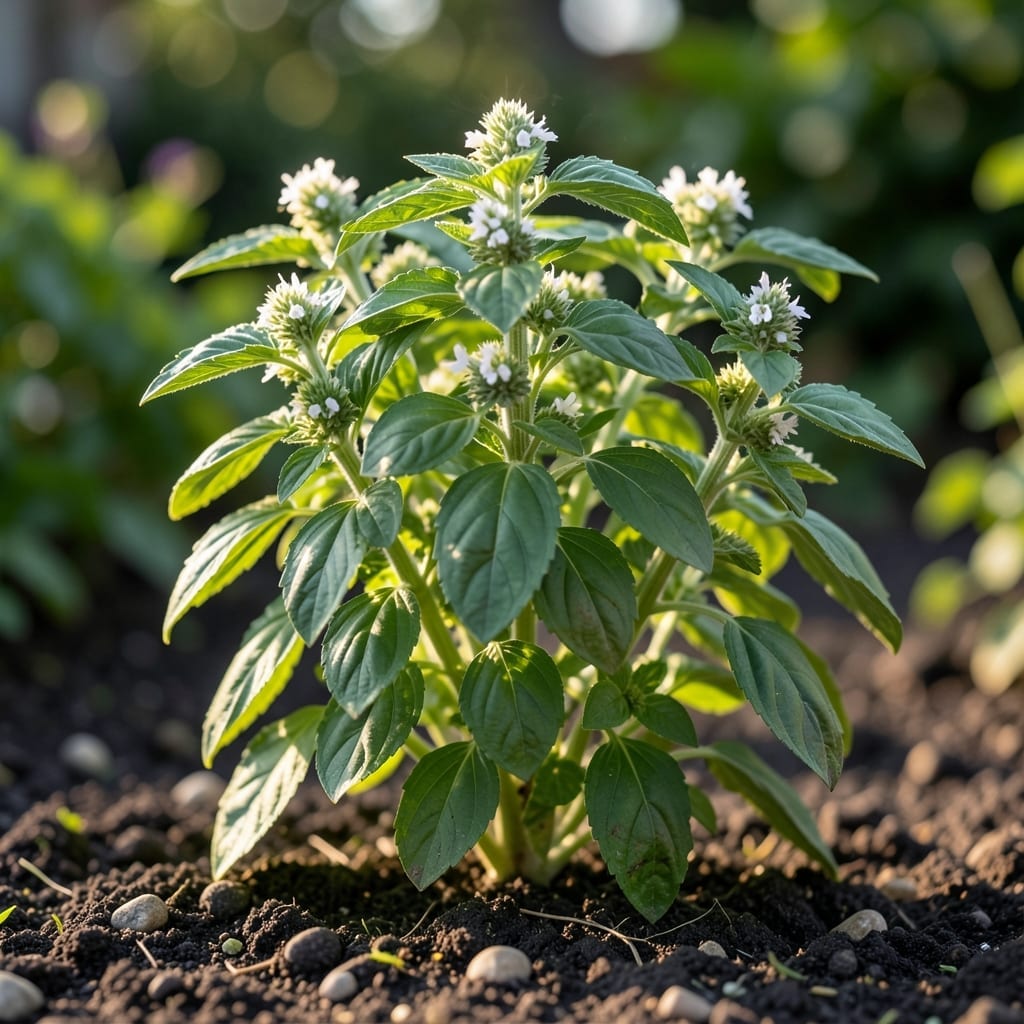
Nothing ruins a 🌿 Basil harvest faster than the wrong light conditions. I’ve seen plants wilt in the wrong spot.
Whether you’re growing in pots or garden beds, sunlight is the game-changer for vibrant leaves. Too little, and growth stalls. Too much, and leaves scorch.
I’ll show you exactly how to balance sun and shade for thriving Basil. No more guessing what your plants need.
Discover the simple adjustments that make all the difference. Your flavorful harvest depends on it.
 Best Window Placement
I’ve found that basil thrives best in full sun, meaning 6-8 hours of direct sunlight daily. This herb is a sun-worshipper, and the more light it gets, the bushier and more flavorful it becomes.
Most sweet basil varieties need this amount to develop their signature aroma. Without enough sun, plants grow leggy and weak, with smaller leaves and less intense flavor.
| Requirement | Specification |
|---|---|
| Sunlight Needs | 6-8 hours daily |
| Best Varieties | Sweet, Genovese, Thai |
| Shade Tolerance | Limited (4-6 hours max) |
| Signs of Too Little Sun | Leggy stems, pale leaves |
| Signs of Too Much Sun | Wilting, scorched leaves |
Thai basil is slightly more tolerant of heat but still prefers the same sun exposure. I always place my pots where they’ll get morning sun, which is gentler than the harsh afternoon rays.
If you notice yellowing leaves or stunted growth, it’s often a sign your basil isn’t getting enough light. Move it to a sunnier spot and watch for improvement within a week.
In hot climates, I’ve had success with afternoon shade to prevent scorching. But in most regions, full sun is the way to go for the best flavor and yield.
For container gardening, I recommend placing basil on a south-facing windowsill or balcony. This ensures it gets the maximum sunlight it craves.
Remember, even partial shade can work if you’re in a very hot area, but you’ll need to water more frequently to compensate for the stress.
I’ve also noticed that purple basil varieties can handle a bit more shade than green types, but they still prefer as much sun as possible for vibrant color.
Finally, if you’re growing basil indoors, use grow lights for 12-14 hours daily to mimic natural sunlight. This keeps your plants compact and productive year-round.
With the right light, your basil will reward you with lush, aromatic leaves all season long ☀️
While basil thrives in sun, it can tolerate partial shade in certain conditions. I’ve successfully grown it with 4-6 hours of sunlight, especially in hotter climates.
In scorching summers, afternoon shade prevents leaf scorch. Varieties like Genovese basil handle less sun better than others, but growth may be slower.
3 Ways to Grow Basil in Partial Shade
Shaded basil needs richer soil to compensate. I mix in compost and ensure consistent moisture. Without enough light, plants grow leggy and weak, so proper care is crucial.
For container gardening, rotate pots to ensure even light distribution. Even in shade, good airflow prevents fungal issues that thrive in damp, low-light conditions.
Watch for pale leaves or stunted growth—signs your basil needs more sun. If possible, gradually move plants to brighter spots over a week to avoid shock.
Remember, while shade is possible, full sun yields the most aromatic leaves. In my experience, the extra effort for sunlight always pays off in flavor and yield.