
Beautiful Plants For Your Interior
Beautiful Plants For Your Interior
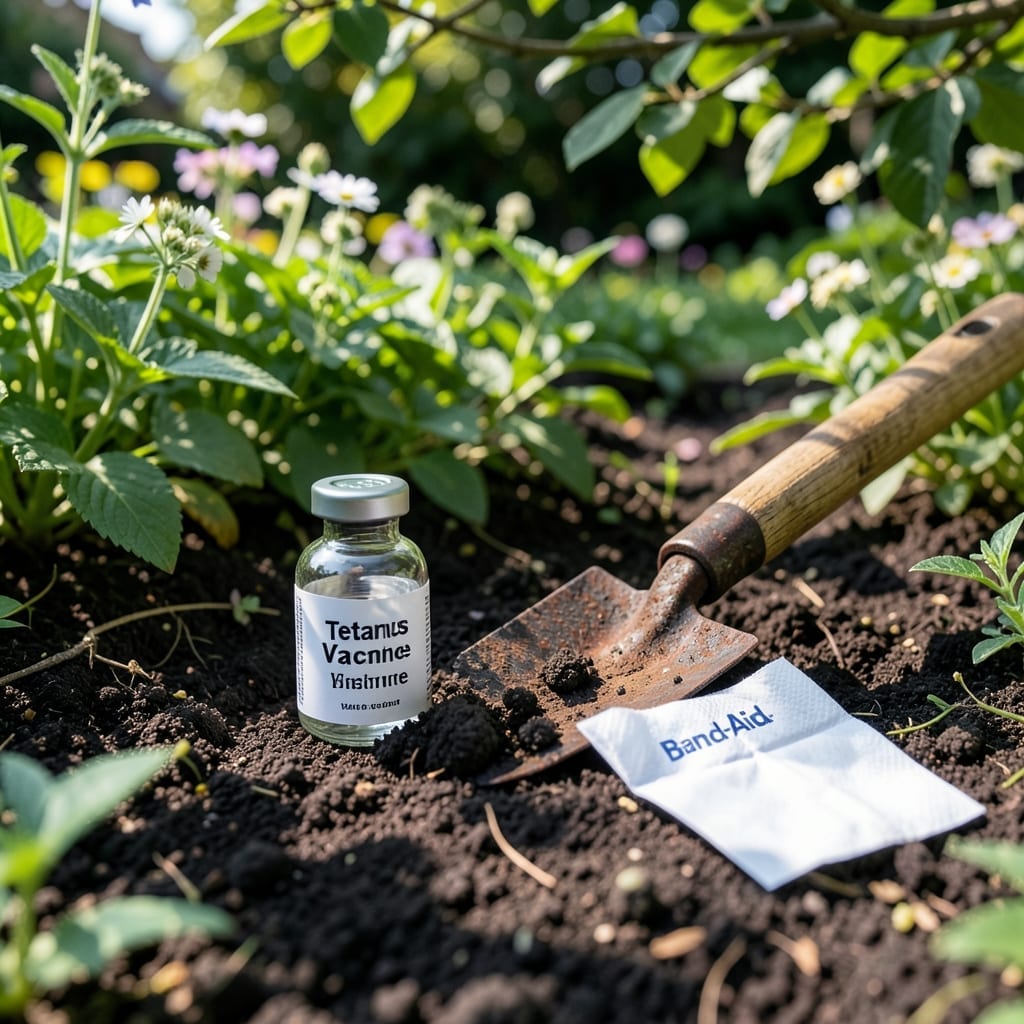
Yes, the tetanus vaccine is highly effective at preventing tetanus by training the immune system to recognize and fight the bacteria that causes this serious infection.
This protection comes from the vaccine’s use of inactivated toxins, which trigger your body to produce antibodies without causing illness. I’ve seen firsthand how this immune response creates long-term defense, especially when boosters are maintained on schedule. The shot doesn’t just block the bacteria—it prepares your system to neutralize the harmful toxins it produces. ✨
💡 In This Article
The vaccine works by introducing a harmless version of the tetanus toxin, called a toxoid, into your body. This triggers your immune system to recognize the threat and produce specific antibodies. These antibodies remain in your system, ready to neutralize the real toxin if you’re ever exposed to Clostridium tetani bacteria. 🔥
What makes this process so effective is the memory response. After vaccination, your immune system remembers how to fight the toxin for years. The initial series of shots builds this immunity, while booster doses maintain it at protective levels. Studies show the vaccine provides nearly 100% protection against tetanus when properly administered.
The toxoid itself is carefully prepared by treating the actual tetanus toxin with formaldehyde. This inactivates the toxin’s harmful effects while preserving its ability to stimulate an immune response. The process is similar to how we create vaccines for other diseases like diphtheria, but specifically targets the neurotoxin produced by tetanus bacteria. ✨
When the bacteria enter a wound, they produce two exotoxins: tetanolysin and tetanospasmin. The vaccine specifically targets tetanospasmin, the more dangerous of the two, which causes the muscle spasms characteristic of tetanus infection. By neutralizing this toxin before it can reach your nervous system, the vaccine prevents the disease from developing. 💛
This targeted approach is why the tetanus vaccine is so reliable. It doesn’t need to kill the bacteria itself—just prevent the toxin from causing damage. The protection lasts about 10 years for most people, which is why regular boosters are recommended to maintain immunity. 🌟
Protection typically lasts about 10 years for most people. After this period, a booster shot is recommended to maintain immunity against the bacteria’s toxins.
While extremely rare, breakthrough cases can occur, especially if the initial vaccination series wasn’t completed. The vaccine provides nearly 100% protection when administered correctly.
If it’s been more than 5 years since your last shot, a booster ensures your immune system can quickly respond to any potential exposure from the wound. This is a precautionary measure.
It’s safe for most people, including pregnant women. However, those with severe allergies to vaccine components should consult a doctor first. Side effects are usually mild.