
Beautiful Plants For Your Interior
Beautiful Plants For Your Interior
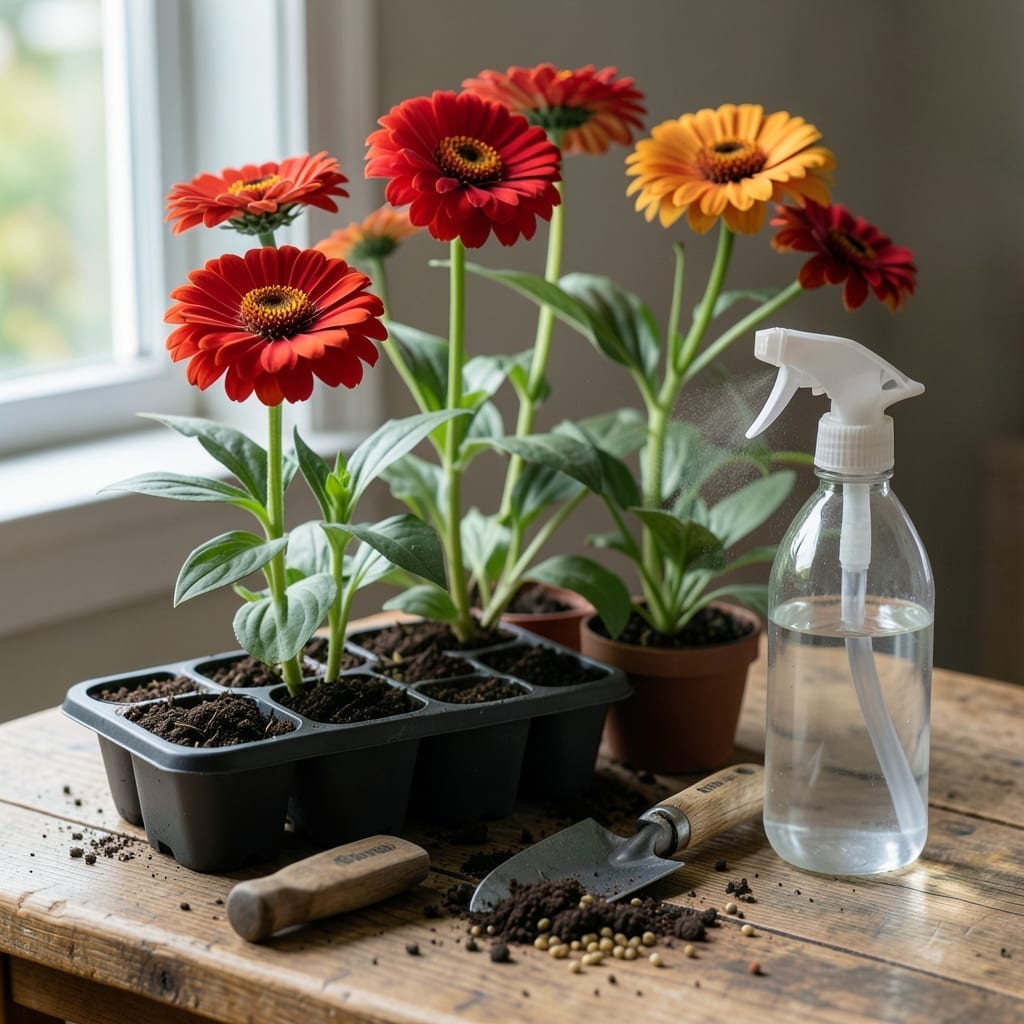
If you’ve ever struggled to get your 🌼 Zinnia seeds to sprout, you’re not alone. Many gardeners assume all seeds need darkness to germinate, but with zinnias, that couldn’t be further from the truth.
In fact, these vibrant flowers have specific needs that set them apart. Understanding whether zinnias require light to break through the soil can be the key to a successful growing season.
Discover the essential conditions that will turn your seed-starting efforts from frustrating to flourishing. Let me show you exactly what works.

If you’re wondering whether zinnias need light to germinate, the answer is a clear yes. Unlike some seeds that prefer darkness, zinnia seeds require light to trigger the germination process effectively.
This means you should sow them shallowly—just 1/4 inch deep—so they can access light. Covering them too deeply can prevent sprouting, as the seeds won’t receive the light signals they need to break dormancy.
| Requirement | Specification |
|---|---|
| Light Needs | Direct light for germination |
| Planting Depth | 1/4 inch deep |
| Soil Temperature | 70-75°F optimal |
| Moisture Level | Consistently moist, not soggy |
I’ve found that starting zinnias indoors works best under grow lights or in a sunny windowsill. If you’re planting outdoors, choose a well-lit spot where seeds will get 6+ hours of sun daily.
The science behind this is fascinating. Zinnia seeds contain light-sensitive compounds that activate when exposed to sunlight. This is why they’re often called “light-dependent germinators.”
For best results, I recommend using a seed-starting mix that drains well. Keep the soil evenly moist but avoid overwatering, which can cause rot. A spray bottle helps maintain moisture without displacing seeds.
If you’re direct sowing, wait until soil temperatures reach 70°F. In cooler climates, this might mean starting seeds indoors 4-6 weeks before the last frost date. This gives them a head start.
One common mistake I see is planting too deep. Remember, zinnias need light, so barely cover the seeds with soil. Press them gently into the mix and mist lightly to ensure good contact.
Another tip: use a heat mat if starting indoors in cooler conditions. This helps maintain the optimal soil temperature of 70-75°F for faster germination, which typically takes 5-7 days under ideal conditions.
Whether you’re a beginner or seasoned gardener, understanding that zinnias need light is the first step to a colorful, thriving garden. With the right conditions, you’ll see sprouts emerging in no time.☀️
When it comes to germinating zinnias, light is just the beginning. I’ve found that 70-75°F soil temperature is ideal for quick sprouting. Cooler soils slow the process, so indoor starts often work best.
Moisture consistency is critical during germination. Use a spray bottle to keep the soil evenly damp without waterlogging. Overwatering can rot seeds before they even begin to grow.
If you’re direct sowing outdoors, wait until after the last frost date when soil has warmed. In cooler climates, starting indoors 4-6 weeks early gives zinnias a head start for summer blooms.
A heat mat can be a game-changer for indoor starts. It keeps the soil warm, speeding up germination to 5-7 days. Without one, seeds may take 10-14 days or longer to sprout.
Avoid the mistake of planting too deep. Zinnias need light, so barely cover seeds with soil. Press them in gently and mist to ensure contact. Too much soil blocks the light they need.
Once seedlings emerge, thin to 6-12 inches apart for proper air circulation. This prevents disease and encourages stronger growth. Transplant carefully to avoid disturbing delicate roots.🌱