
Beautiful Plants For Your Interior
Beautiful Plants For Your Interior
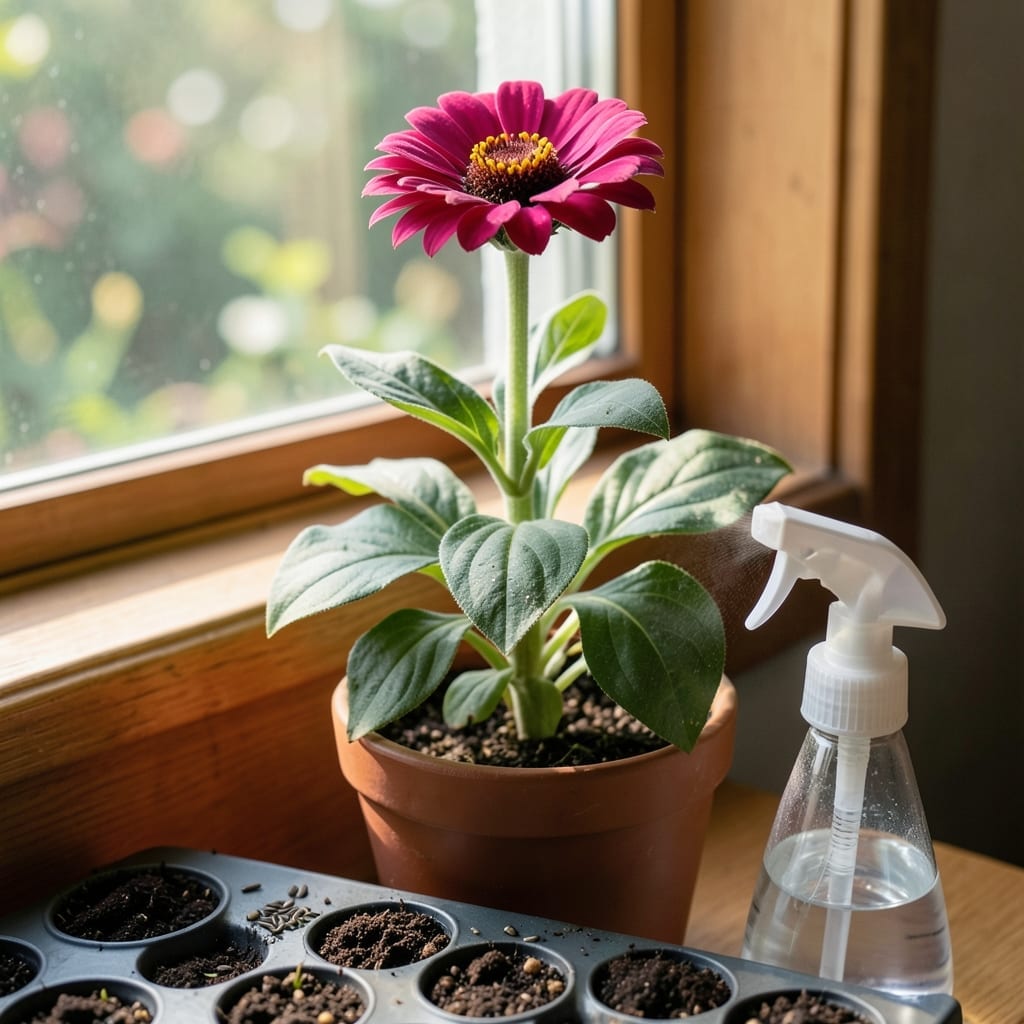
If you’ve ever struggled to get your 🌼 Zinnia seeds to sprout, you’re not alone. These vibrant flowers are a garden staple, but their germination can be tricky without the right approach.
I discovered that the secret lies in understanding their unique needs. It’s not just about planting them – it’s about creating the ideal conditions for success.
Let me walk you through the essential steps to ensure your Zinnia seeds thrive from the very beginning. You’ll be amazed at how simple it can be.

Many gardeners wonder if Zinnia seeds require light to germinate. The answer is a resounding yes! These seeds are light-dependent germinators, meaning they need exposure to light to trigger the sprouting process.
This is because Zinnia seeds have a thin seed coat that allows light to penetrate, stimulating the internal processes that lead to germination. Without adequate light, the seeds may struggle to break dormancy.
| Requirement | Specification |
|---|---|
| Light | Direct exposure needed |
| Temperature | 70-75°F ideal |
| Depth | Press lightly, don’t bury |
| Moisture | Keep soil consistently moist |
I’ve found that Zinnia seeds germinate best when placed on the soil surface and gently pressed in, rather than buried. This ensures they receive the light exposure they need while maintaining good contact with the soil.
The ideal temperature for germination is between 70-75°F. At these temperatures, you can expect to see sprouts in 5-7 days if all other conditions are met. Cooler soils will slow down the process significantly.
Moisture is another critical factor. While Zinnia seeds need light, they also require consistent moisture to soften the seed coat. I recommend misting the soil surface regularly to keep it damp but not waterlogged.
It’s fascinating how these seeds have evolved to respond to light. In nature, this mechanism helps ensure they only germinate when conditions are favorable for growth, typically in spring or early summer when days are longer.
For indoor starting, place your seed trays under grow lights or in a sunny window. Outdoors, sow seeds in a location that receives full sun for at least 6-8 hours per day for best results.
Remember that while light is essential, too much direct sun can dry out the soil. I use a light shade cloth during the hottest part of the day when starting seeds outdoors in warm climates.
By understanding these light requirements and providing the right conditions, you’ll give your Zinnia seeds the best chance to thrive and produce those beautiful, colorful blooms we all love. 🌼
Now that we know Zinnia seeds need light to germinate, let’s dive into the practical steps. I always start by preparing a well-draining seed mix to prevent waterlogging, which can rot the seeds before they even sprout.
Sow the seeds on the soil surface and press them lightly into the mix—never bury them deeply. This ensures they receive the light exposure they crave while staying in contact with moist soil.
For indoor starting, place trays under grow lights or in a south-facing window. Outdoors, choose a spot with full sun for at least 6-8 hours daily. I’ve had great success with both methods.
Water gently but consistently. A spray bottle works perfectly to keep the surface damp without disturbing the seeds. Avoid heavy watering, which can displace or bury them too deeply.
You should see sprouts in 5-7 days if conditions are ideal. Once they appear, reduce moisture slightly but keep the soil evenly damp. Thin seedlings to 6-12 inches apart to prevent overcrowding.
If starting indoors, harden off seedlings before transplanting. I move mine outside for increasing hours each day over a week. This prepares them for the outdoor environment and reduces shock.
With these steps, you’ll have healthy Zinnia seedlings ready to burst into color. The key is patience and consistency—don’t rush the process! 🌼