
Beautiful Plants For Your Interior
Beautiful Plants For Your Interior
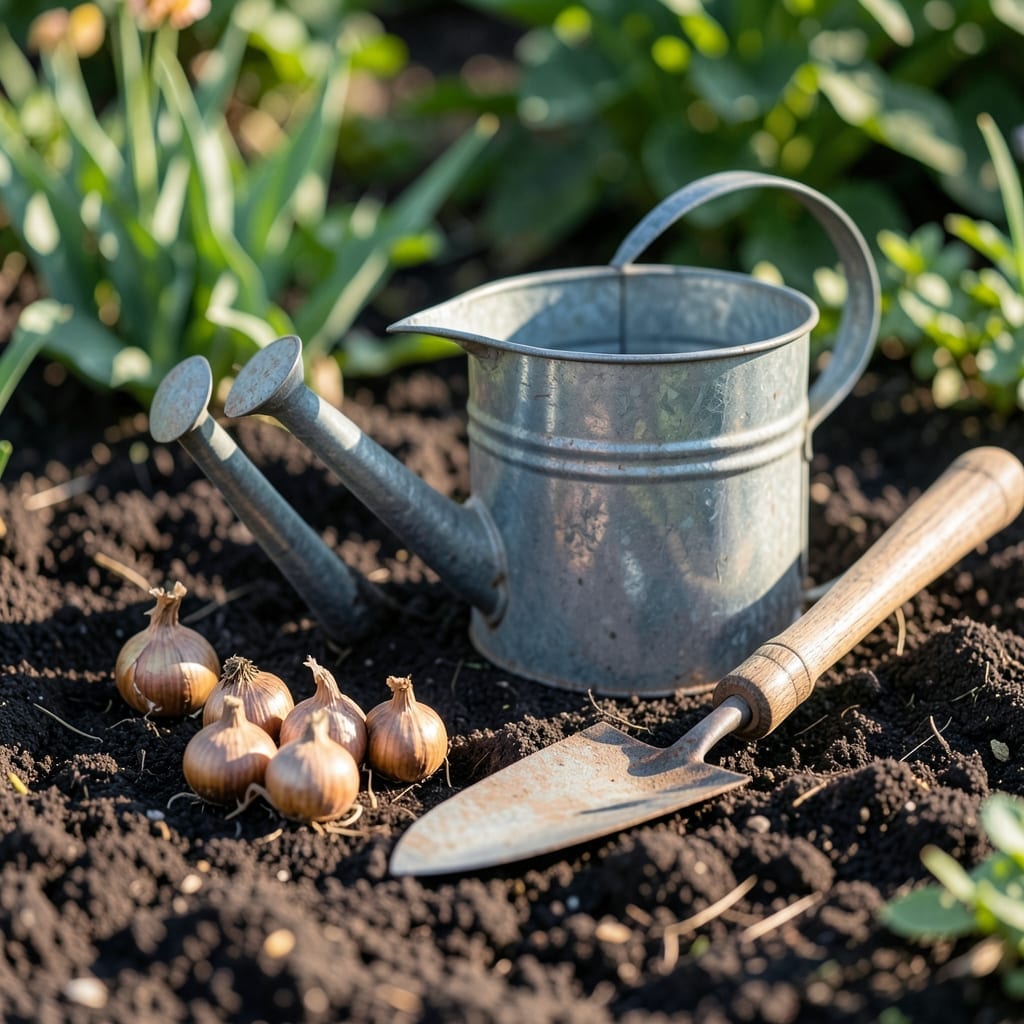
Planting bulbs is just the first step—how you care for them immediately after can make or break their growth. Many gardeners wonder: do you water 🌷 Bulbs after planting, or is it better to let them adjust on their own?
What you do in those first 24 hours sets the stage for the entire growing season. The right approach ensures strong root development and a spectacular bloom come spring.
I’ll walk you through the science behind post-planting care and why it’s the key to success with your 🌷 Bulbs. Whether you’re new to gardening or a seasoned pro, this matters.
Discover the simple but most important steps to give your bulbs the best start possible. Let’s dig in.


When you plant spring-flowering bulbs like tulips or daffodils, the first step to success is ensuring they establish strong roots. Watering after planting is essential to settle the soil and eliminate air pockets around the bulb.
Without proper hydration, bulbs struggle to develop the root system they need before winter dormancy. This initial drink helps them anchor in the soil and begin nutrient absorption immediately.
| Bulb Type | Post-Planting Water Need | Soil Moisture Goal |
|---|---|---|
| Tulips | Immediate | Moist but well-drained |
| Daffodils | Immediate | Consistently damp |
| Hyacinths | Immediate | Evenly moist |
| Crocuses | Light | Slightly moist |
I always recommend giving bulbs a deep watering right after planting to kickstart root growth. This is especially critical in dry climates or if you’re planting in sandy soil that drains quickly.
The ideal amount is about 1 inch of water, which encourages roots to grow deep into the soil. Shallow watering can lead to weak root systems that won’t support healthy blooms come spring.
For fall-planted bulbs, this initial watering helps them establish before the ground freezes. In warmer climates, you might need to water more frequently to maintain consistent moisture.
Remember that overwatering can be just as harmful as underwatering. Bulbs need oxygen too, so ensure your soil has good drainage to prevent rot.
If you’re planting in containers, pay extra attention to moisture levels, as potted bulbs dry out faster than those in the ground. Check soil moisture every few days and water when the top inch feels dry.
In my experience, bulbs that receive proper post-planting watering show stronger emergence in spring and produce more vibrant blooms. It’s a simple step that makes a world of difference.
So yes, do water bulbs after planting—it’s the foundation for a spectacular display next season 🌷
After planting spring-flowering bulbs like tulips or daffodils, the first watering is critical to settle the soil and eliminate air pockets around the bulb roots. This initial drink helps them start establishing roots before winter dormancy.
I recommend giving them a deep watering right after planting, ensuring the moisture reaches at least 6 inches deep. This encourages root growth downward into the soil rather than staying near the surface.
For fall-planted bulbs, continue weekly watering until the ground freezes, unless you’re in a wet climate. The goal is to keep the soil consistently moist but never soggy.
If you’re planting in containers, they’ll need more frequent watering since they dry out faster. Check the top inch of soil—if it’s dry, it’s time to water again. Always ensure your pots have drainage holes.
Watch for signs of overwatering like yellowing leaves or mushy stems. If you see these, hold off on watering and check your drainage system. Underwatering shows as dry, papery foliage.
Remember, bulb type matters. Tulips and hyacinths prefer more moisture, while alliums and crocuses tolerate drier conditions. Adjust your approach based on what you’ve planted.
By following these watering best practices, you’ll give your bulbs the strongest start possible for a vibrant spring display 🌷