
Beautiful Plants For Your Interior
Beautiful Plants For Your Interior
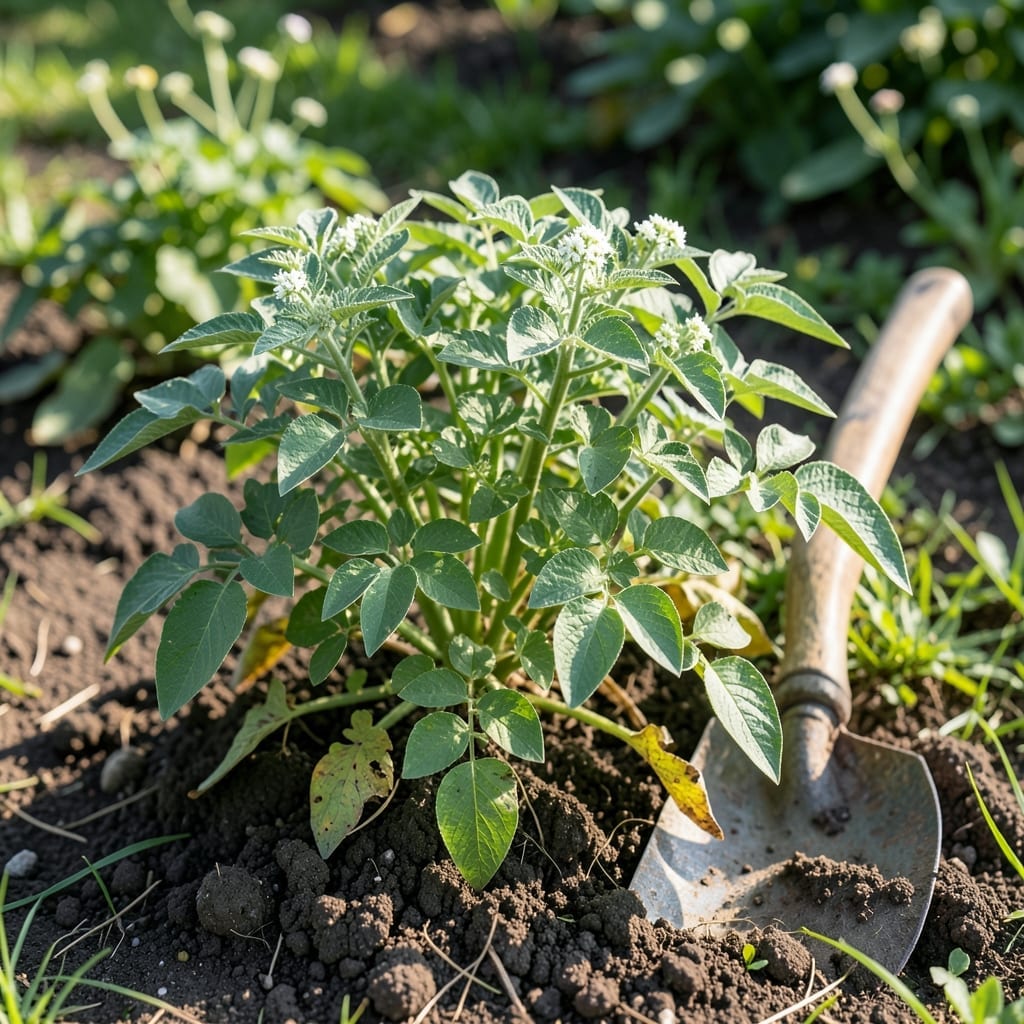
No, do not cover the leaves when hilling potatoes. Only mound soil around the stem base, leaving the top foliage exposed to sunlight for healthy growth and photosynthesis.
I always keep the top foliage visible because those leaves are powerhouses for photosynthesis, converting sunlight into energy that fuels tuber growth. Covering them would block this process and could lead to stunted development or even rot. 🌟
When I hill my potatoes, I focus on burying just the lower stems while letting the upper leaves breathe and soak up the sun.
💡 In This Article
Potato leaves are solar panels for tuber production. They capture sunlight to create sugars through photosynthesis, which then travel down to the developing potatoes underground. Covering leaves blocks this energy source, starving the plant of its primary food supply. Studies show exposed foliage can increase yield by 20-30% compared to covered plants.
Leaves also regulate the plant’s water balance through transpiration. When covered, moisture accumulates around the stems, creating ideal conditions for fungal diseases like early blight. The foliage acts as a natural umbrella too, protecting soil from erosion while allowing 6-8 hours of daily sunlight penetration needed for optimal growth. ⚡
Chlorophyll in the leaves converts light energy with remarkable efficiency—about 6-8% of sunlight gets transformed into chemical energy. This process generates the carbohydrates that directly fuel tuber expansion. Without this, potatoes grow smaller and less numerous, as the plant can’t store enough energy reserves.
Additionally, exposed leaves allow for proper air circulation, which prevents heat buildup that could stress the plant. The upper foliage also produces growth hormones that signal the plant to direct resources toward tuber development rather than additional leaf production. ✨
In my experience, plants with fully exposed leaves develop stronger stem structures to support the weight of maturing potatoes. The foliage also provides visual cues about plant health—yellowing leaves might indicate nutrient deficiencies, while vibrant green suggests optimal growing conditions.
Covered leaves will rot and turn yellow from lack of sunlight. This stops photosynthesis, reducing your harvest. Remove soil immediately if this happens.
Add 2-3 inches of loose soil around the stem base each time. Never bury more than the bottom 1/3 of the plant.
Yes, clean straw works well and prevents soil compaction. It also insulates tubers and deters pests. Just keep leaves exposed.
Stop once flowers appear, signaling tubers are forming. Hilling too late can damage developing potatoes underground.