
Beautiful Plants For Your Interior
Beautiful Plants For Your Interior
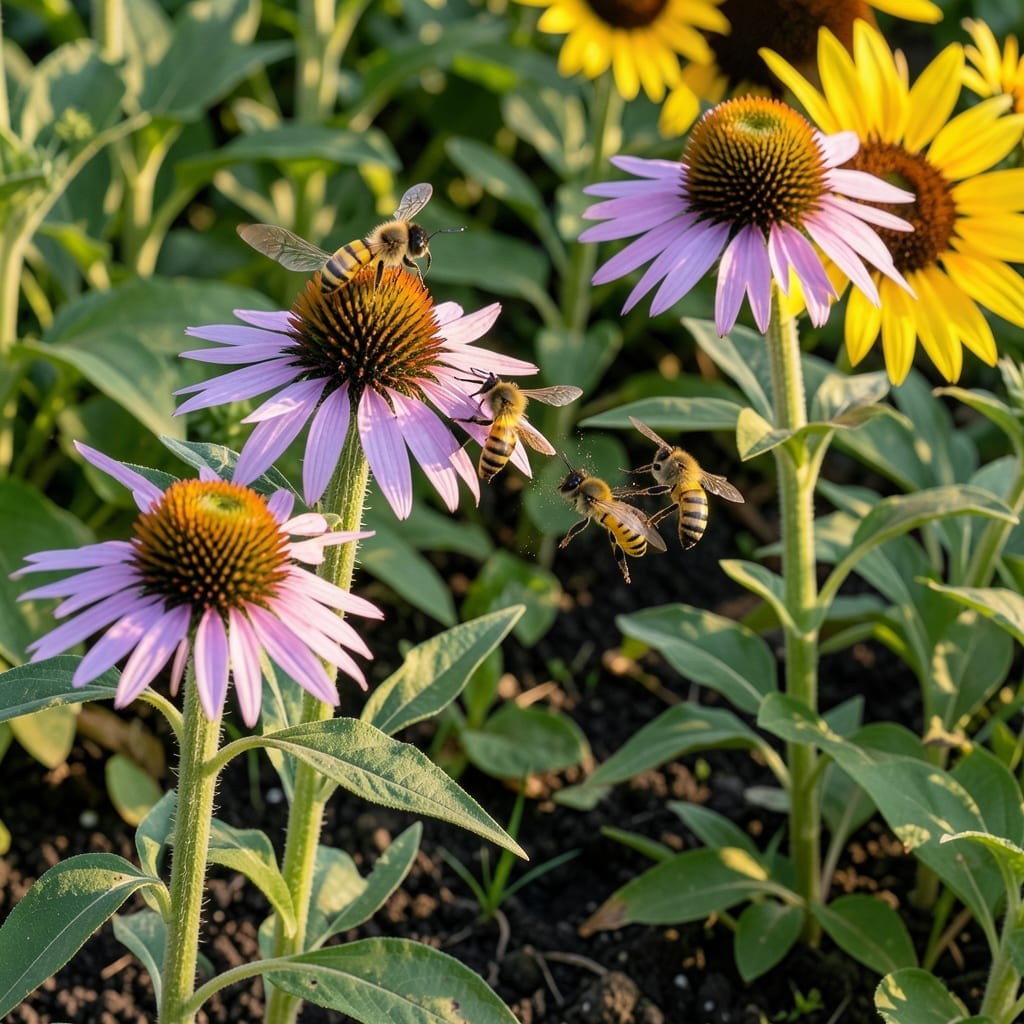
Yellow jackets play a crucial ecological role by controlling pest populations, pollinating plants, and serving as prey for birds and mammals. Their hunting reduces garden pests naturally.
I’ve noticed these insects act as nature’s pest control, targeting caterpillars, flies, and other garden nuisances that damage crops. 🔥 Their presence also supports biodiversity by feeding birds and small mammals, which rely on them as a food source. Additionally, they assist in breaking down organic matter, contributing to nutrient cycling in ecosystems.
💡 In This Article
These wasps are nature’s exterminators, targeting over 100 pest species like caterpillars, grubs, and aphids that ravage gardens. A single colony can consume thousands of pests weekly, protecting crops without chemicals.
Their hunting style is aggressive—they chew up prey into a protein-rich paste to feed their larvae, a process that significantly reduces pest populations in their territory. 🔥
In the food chain, yellow jackets serve as a vital protein source for 20+ bird species, including woodpeckers and sparrows, as well as mammals like raccoons and bears. Their nests also provide shelter for other insects, creating micro-ecosystems.
During late summer, their diet shifts to include nectar and fruits, making them accidental pollinators for plants like goldenrod. ✨
Their role extends to decomposition. As scavengers, they help break down dead insects and organic matter, accelerating nutrient recycling in soil. This is particularly evident in forests where they clean up carcasses, preventing the spread of disease. Their efficiency rivals that of beetles in some ecosystems. 💫
What’s fascinating is their seasonal impact: early in the year, they focus on protein (pests) to feed larvae, while later they switch to carbohydrates (fruits, nectar), which affects their ecological role. This adaptability makes them unique among wasps. Their nesting habits also aerate soil, improving water and root penetration. ⚡
Research shows areas with controlled yellow jacket populations experience 30-40% fewer crop-damaging pests compared to regions where they’ve been eradicated. This natural pest control saves farmers millions annually in potential pesticide costs while maintaining biodiversity. 🌟
They act as natural exterminators, targeting over 100 pest species like caterpillars and aphids. A single colony can consume thousands of pests weekly, protecting crops without chemicals.
Yes, they serve as a vital protein source for over 20 bird species, including woodpeckers and sparrows. Mammals like raccoons and bears also rely on them as food.
While not primary pollinators, they do assist by visiting plants like goldenrod for nectar, especially in late summer. This accidental pollination helps some wild plants thrive.
Areas without them often see 30-40% more crop-damaging pests. Their absence can disrupt local food chains and reduce biodiversity.