
Beautiful Plants For Your Interior
Beautiful Plants For Your Interior
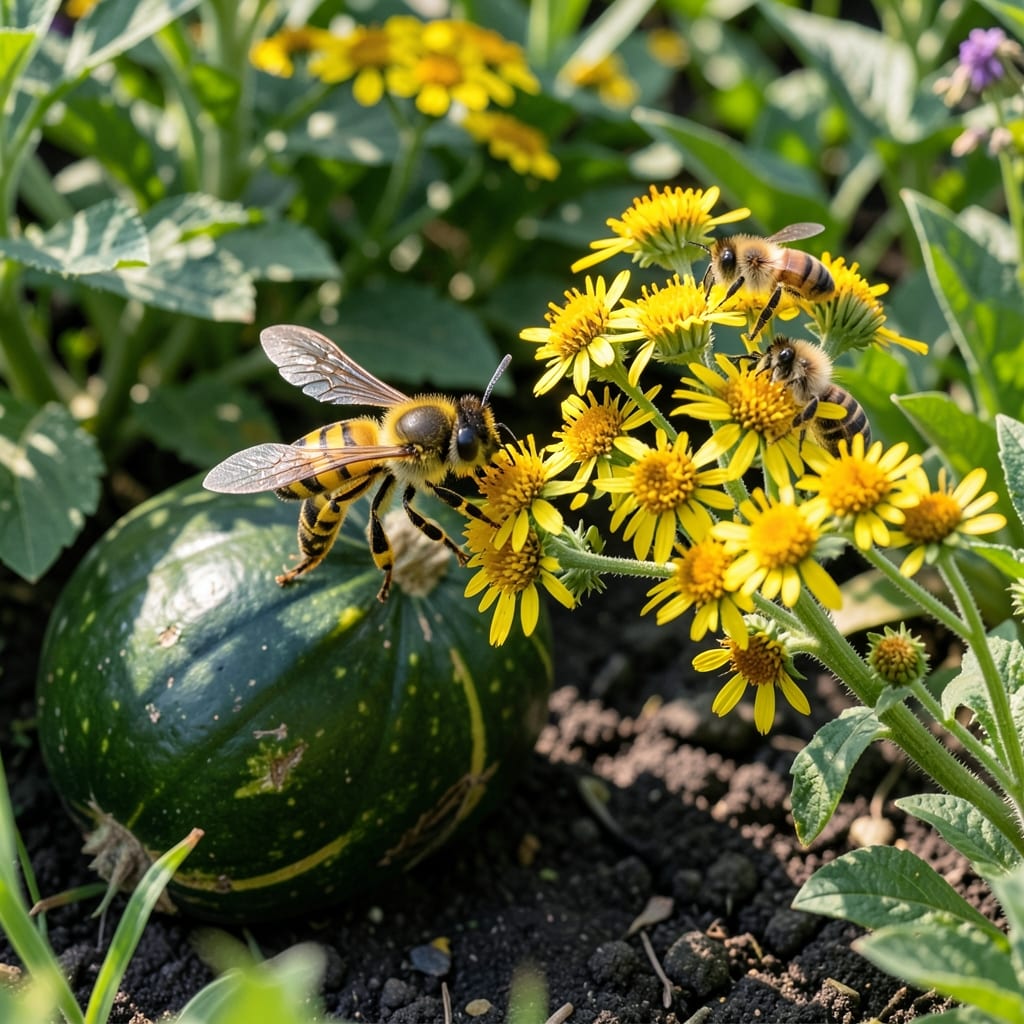
Yes, yellow jackets serve important ecological roles as pollinators for some plants and as natural pest controllers, preying on harmful garden insects like caterpillars and flies.
They’re often misunderstood as mere nuisances, but these insects are powerhouse predators that keep pest populations in check. I’ve seen them target aphids and beetles that attack crops, reducing the need for chemical pesticides. Their foraging habits also aid in pollination, though they’re less efficient than bees. 🔥
For gardeners, their presence can mean healthier plants with fewer destructive bugs. Still, it’s wise to maintain a safe distance—they’re protective of their nests and can sting repeatedly. ✨
💡 In This Article
Yellow jackets are nature’s pest control specialists, hunting down caterpillars, flies, and spiders with precision. A single colony can consume thousands of insect pests per day, significantly reducing populations that would otherwise damage crops and gardens. Their predatory behavior targets soft-bodied insects, which they chew into a paste to feed their larvae. 🔥
Beyond predation, they contribute to pollination, though less efficiently than bees. They visit flowers for nectar and, in the process, transfer pollen between plants. Some studies show they pollinate certain crops like apples and pears, particularly in areas with fewer bees. Their role is subtle but impactful in maintaining plant diversity. ✨
Yellow jackets also act as decomposers, scavenging on dead insects and organic matter. This behavior helps recycle nutrients back into the ecosystem, preventing waste buildup. Their foraging habits ensure that decaying material is broken down faster, supporting soil health and plant growth. 💫
In gardens, their presence can lead to a 30-50% reduction in pest-related plant damage. They’re particularly effective against tomato hornworms and cabbage worms, which are notorious for devastating vegetable patches. This natural pest control reduces the need for chemical interventions, promoting a healthier environment. ⚡
However, their aggressive nature when defending nests means they’re not always welcome near human spaces. Still, their ecological contributions—from pest control to pollination—make them vital to balanced ecosystems. Their absence could disrupt the delicate equilibrium between pests and plants. 🌟
They primarily hunt caterpillars, flies, and spiders, chewing them into paste to feed their larvae. A single colony can consume thousands of pests daily, protecting crops and gardens naturally.
Yes, they pollinate some plants like apples and pears while foraging for nectar. Though less efficient than bees, their role supports plant diversity, especially in areas with fewer pollinators.
They’re actually beneficial, reducing pest damage by 30-50%. They target destructive insects like tomato hornworms without harming plants. Just keep a safe distance to avoid stings.
Plant nectar-rich flowers like goldenrod or clover and provide a shallow water source. Avoid disturbing nests, and maintain at least 10 feet of space for safety.