
Beautiful Plants For Your Interior
Beautiful Plants For Your Interior
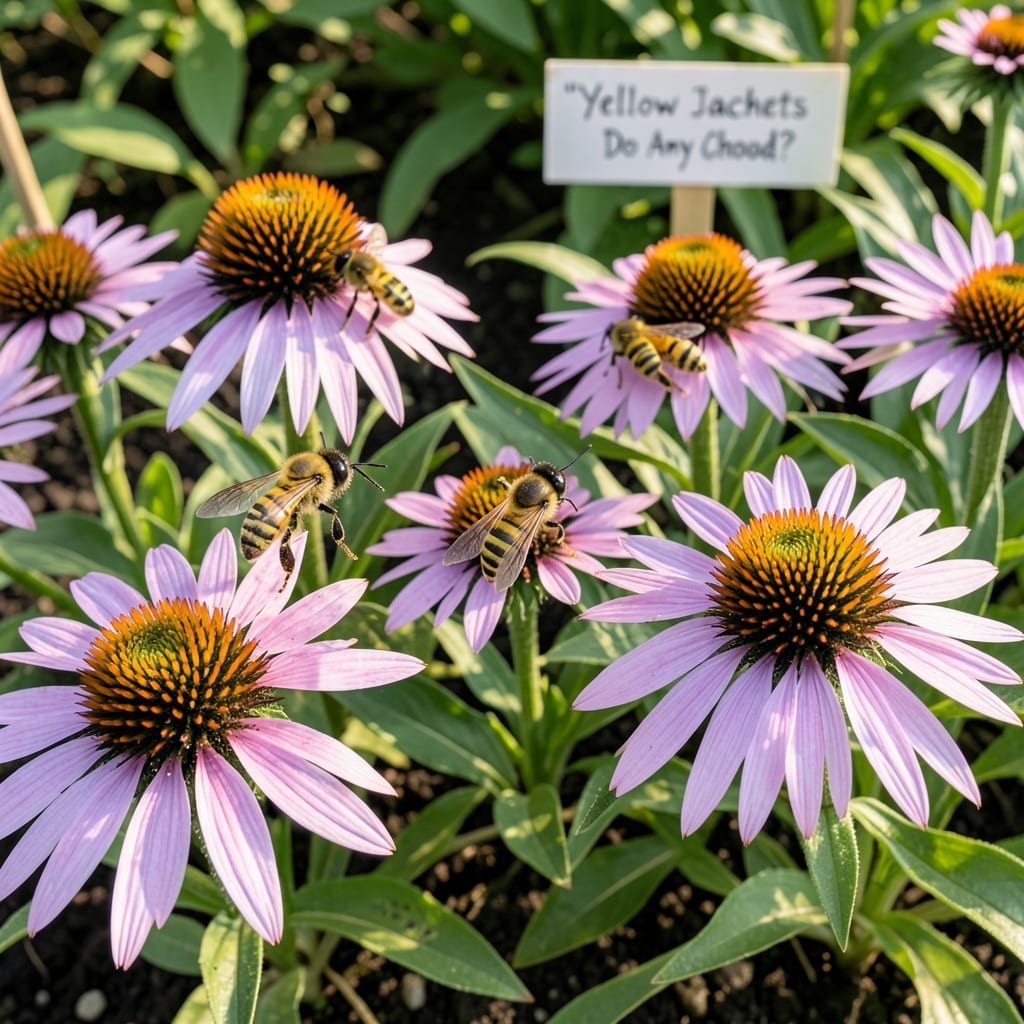
Yellow jackets benefit ecosystems by controlling pest populations, pollinating some plants, and serving as food for birds and mammals. Their predation helps reduce garden pests naturally.
These insects play a crucial role in maintaining balance by preying on caterpillars, flies, and other garden nuisances that would otherwise overrun plants. Birds and mammals rely on them as a protein-rich food source, especially during nesting seasons. I’ve noticed their scavenger habits also accelerate decomposition, keeping outdoor spaces cleaner. ✨
💡 In This Article
Yellow jackets act as natural pest controllers by targeting soft-bodied insects that damage plants. They hunt caterpillars, beetle larvae, and aphids—pests that can decimate gardens within days. A single colony can consume thousands of insects per week, reducing the need for chemical pesticides that harm beneficial species like bees. 🔥
Their scavenging habits also accelerate decomposition. Unlike bees, yellow jackets are omnivores that break down dead insects, fallen fruits, and carrion. This process recycles nutrients back into the soil, enriching it for plant growth. Studies show they can process up to 50% of their body weight in organic matter daily. ✨
Beyond pest control, they contribute to pollination, though less efficiently than bees. While foraging for nectar, they transfer pollen between flowers, aiding in the reproduction of certain plants. Their role is particularly valuable for crops like apples and berries, where they supplement the work of primary pollinators. 🌟
Yellow jackets also serve as a critical food source for wildlife. Birds like woodpeckers, sparrows, and even mammals such as raccoons and skunks prey on their larvae and adults. This creates a food chain link that supports biodiversity, especially in ecosystems where other protein sources are scarce. 💫
Their presence can indicate a healthy ecosystem. A garden with yellow jackets often has balanced pest populations, meaning fewer outbreaks of plant-damaging insects. However, their aggressive nature when disturbed means they’re best observed from a distance, allowing their benefits to shine without direct interaction. ⚡
They hunt caterpillars, aphids, and beetle larvae that damage plants. A single colony can eat thousands of pests weekly, reducing the need for chemical pesticides.
Yes, but less efficiently than bees. While foraging for nectar, they transfer pollen between flowers, aiding reproduction in crops like apples and berries.
They’re a protein-rich food source for birds and mammals. Woodpeckers, raccoons, and skunks prey on their larvae and adults, supporting biodiversity.
As omnivorous scavengers, they break down dead insects, fallen fruits, and carrion, recycling nutrients back into the soil.
During peak colony activity in late summer, their pest control and scavenging roles are most pronounced, keeping garden ecosystems balanced.