
Beautiful Plants For Your Interior
Beautiful Plants For Your Interior
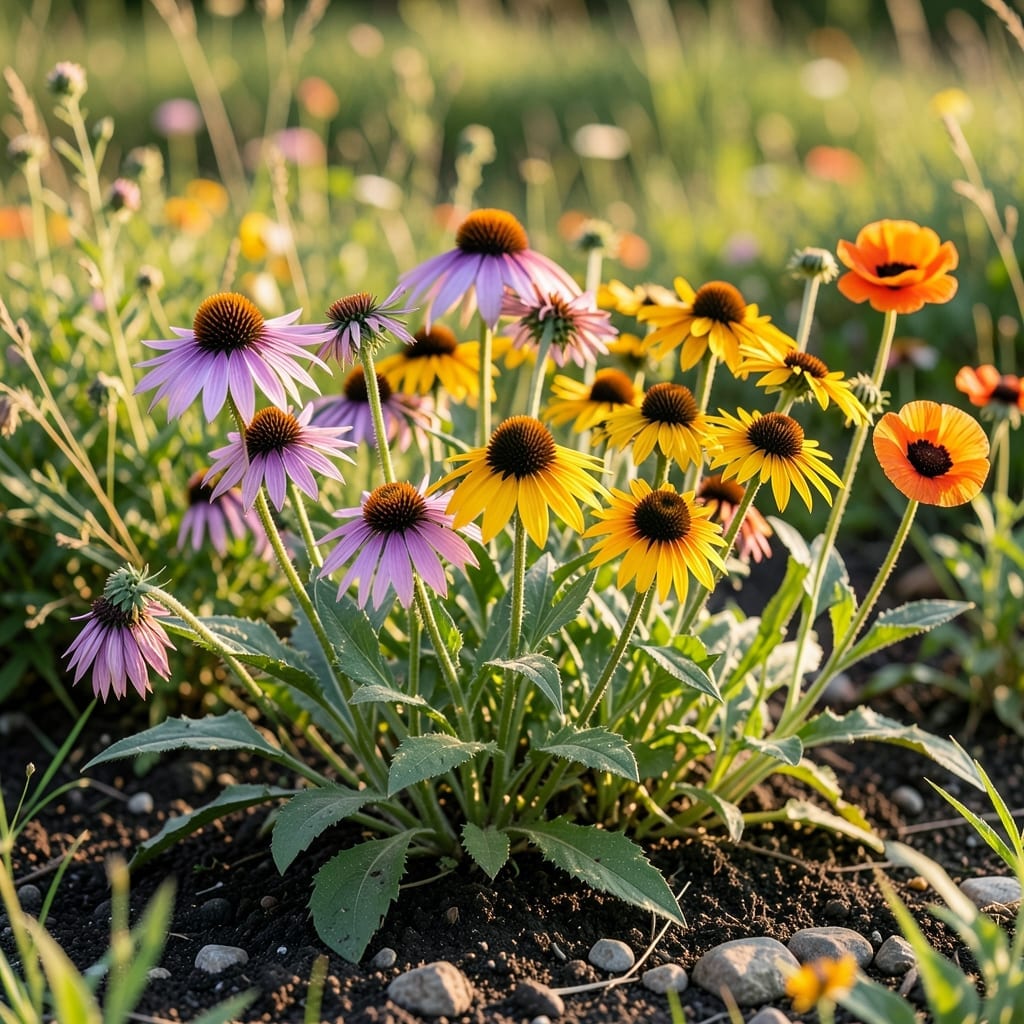
Wildflowers bring effortless beauty to any garden, but their success hinges on one critical factor: sunlight. Many gardeners wonder if 🌸 Wildflowers truly need full sun to thrive.
What I’ve discovered might surprise you. These hardy plants are more adaptable than you think, though their blooming potential changes dramatically with light exposure.
Let me walk you through what works best for different species, from sun-loving varieties to those that flourish in partial shade. You’ll find the perfect match for your garden’s conditions.

Most wildflowers thrive in full sun, which means 6+ hours of direct sunlight daily. This is especially true for popular varieties like Black-Eyed Susan and Purple Coneflower. ☀️
However, not all species demand this much light. Some, like Columbine or Wild Bergamot, tolerate partial shade with 3-6 hours of sun. Their blooms may be less prolific but still vibrant. 🌿
| Wildflower Type | Sunlight Requirement | Blooming Impact |
|---|---|---|
| Full Sun Lovers | 6+ hours | Abundant blooms |
| Partial Shade | 3-6 hours | Moderate blooms |
| Shade Tolerant | <3 hours | Fewer blooms |
I’ve found that sunlight intensity directly affects flower production. In full sun, wildflowers often grow taller with more vibrant colors. This is because sunlight fuels photosynthesis, the process that helps plants produce energy.
For gardeners with shady spots, don’t despair. Varieties like Virginia Bluebells and Wild Geranium can thrive with less light. They’ve adapted to forest understory conditions naturally. 🌱
If you’re planting in full sun, be mindful of soil moisture. These areas can dry out quickly, so I recommend mulching to retain water. A 2-3 inch layer of organic mulch works wonders.
In my experience, morning sun is ideal. It’s less harsh than afternoon rays, reducing the risk of heat stress. This is particularly important in hotter climates where temperatures soar.
For those in cooler regions, maximizing sunlight is key. Wildflowers here may need every bit of sun they can get to mature properly and produce those stunning blooms we all love.
Remember, observation is key. If your wildflowers are leggy or leaning toward the light, they’re likely not getting enough sun. Consider relocating them to a sunnier spot.
Finally, don’t forget that seed packets often provide specific light requirements for each variety. When in doubt, I always check the label for the most accurate information. ✂️
Choosing the right wildflowers for your garden’s light conditions makes all the difference. Full sun varieties like Black-Eyed Susan and Blanket Flower thrive with 6+ hours of direct light. ☀️
For partial shade, consider Columbine or Foxglove. These do well with 3-6 hours of sunlight and add charm to woodland gardens. 🌿
| Light Preference | Wildflower Examples | Blooming Period |
|---|---|---|
| Full Sun | Black-Eyed Susan, Purple Coneflower | Summer to Fall |
| Partial Shade | Columbine, Wild Bergamot | Spring to Summer |
| Full Shade | Virginia Bluebells, Wild Geranium | Spring |
In my experience, sun-loving wildflowers produce the most vibrant blooms and attract pollinators like bees and butterflies. They’re perfect for open meadows or sunny borders in your yard.
For shadier areas, Virginia Bluebells offer a stunning blue-pink display in early spring. They naturally grow in wooded areas and prefer moist, rich soil. 🌱
If you’re unsure, start with adaptable varieties like Oxeye Daisy. It tolerates both full sun and partial shade, making it a versatile choice for many gardens.
Remember, even shade-tolerant wildflowers need some light. Most require at least 2-3 hours of sunlight daily to flower properly. Without it, they may grow tall and leggy.
I always recommend testing different spots in your garden. Observe how the light moves throughout the day, and choose wildflowers that match those conditions for the best results. ✂️