
Beautiful Plants For Your Interior
Beautiful Plants For Your Interior
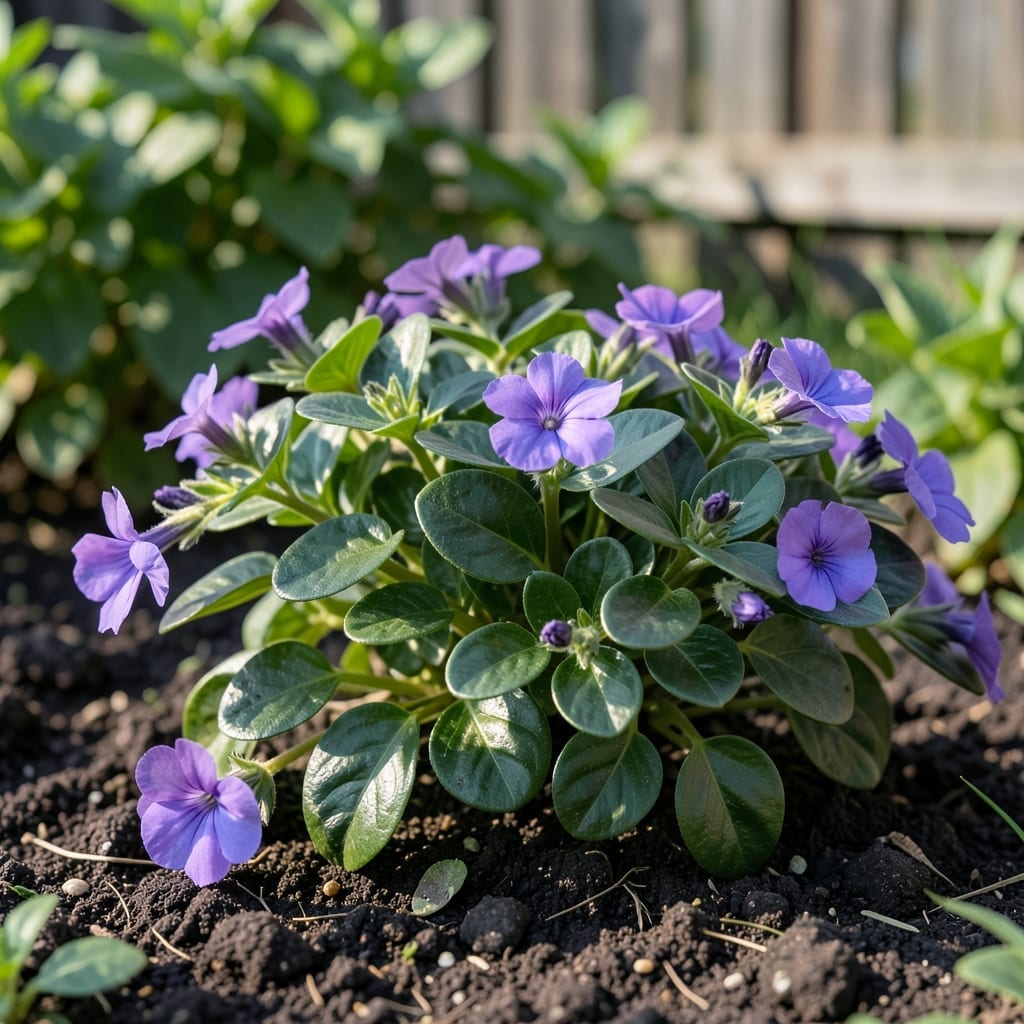
Vincas are beloved for their vibrant blooms and low-maintenance nature, but their sunlight needs often spark confusion among gardeners. Understanding whether vincas thrive in full sun can make or break your garden’s success.
I’ve seen 🌸 Vinca flourish in bright, sunny spots, but they also tolerate partial shade. The key is finding the right balance for your specific variety and climate. These hardy plants are adaptable, but their performance depends on light exposure.
Whether you’re planting in USDA zones 4-11 or just starting out, getting the light conditions right ensures healthier growth and more abundant flowers. Let’s clear up the confusion so you can give your vincas the best start.
Discover how to optimize sunlight for your vincas and watch them thrive like never before.

I often get asked whether vincas need full sun or can tolerate shade. The answer depends on the variety, but most annual vincas absolutely love basking in 6+ hours of direct sunlight daily. This is especially true for popular types like Vinca major and Vinca minor. ☀️
In my experience, perennial vincas can handle a bit more shade, but they still perform best with at least 4-6 hours of sun. The more sunlight they get, the more vibrant their blooms will be. However, in extremely hot climates, a bit of afternoon shade can prevent leaf scorch.
| Variety | Sun Needs | Heat Tolerance |
|---|---|---|
| Annual Vinca | Full Sun (6+ hours) | High |
| Perennial Vinca | Full to Partial Sun (4-6 hours) | Moderate |
| Vinca major | Full Sun | Very High |
| Vinca minor | Partial to Full Sun | Moderate |
I’ve found that vincas in full sun produce the most abundant flowers and maintain a compact growth habit. This makes them perfect for sunny borders or container gardens where they can soak up the rays. Just ensure the soil is well-draining to prevent root rot. 🌱
For gardeners in hotter regions, like USDA zones 9-11, I recommend providing afternoon shade during the peak summer months. This prevents heat stress and keeps the foliage looking lush. A light mulch layer can also help retain moisture.
If you’re growing vincas in containers, place them where they’ll get morning sun and some afternoon shade. This is especially important for hanging baskets, which can dry out quickly in intense sunlight. Always check the soil moisture regularly. 💧
One thing I love about vincas is their drought tolerance once established. This means they’re a great choice for low-maintenance gardens or areas with water restrictions. Just remember that even drought-tolerant plants need consistent watering during their first growing season.
For the best results, I suggest planting vincas in spring after the last frost. This gives them time to establish a strong root system before the heat of summer. If you’re in a cooler climate, full sun is ideal to maximize their growth potential. 🌿
I’ve also noticed that vincas grown in too much shade tend to become leggy and produce fewer flowers. If your vincas aren’t blooming as much as you’d like, try moving them to a sunnier spot. You’ll likely see an improvement within a few weeks.
Finally, don’t forget that soil quality plays a role in how well your vincas handle sunlight. They prefer slightly acidic to neutral soil with good drainage. If your soil is heavy or clay-like, consider amending it with compost or sand to improve conditions. ✂️
I’ve found that vincas are pretty forgiving, but they do send clear signals when their light needs aren’t met. Wilting leaves or leaf scorch often mean too much direct sun, especially in extreme heat. ☀️
On the flip side, poor flowering or leggy growth usually indicates they’re not getting enough light. These plants thrive with 6+ hours of sun, so watch for these signs closely.
⚠️ Warning: Sunburn Risk
Vincas in intense afternoon sun may develop brown leaf edges. If this happens, provide light shade during peak hours or ensure consistent watering to help them recover.
If your vinca leaves turn yellow or pale, it’s often a sign of too little light. Move them to a sunnier spot and monitor for improvement within a week. 🌱
For perennial vincas, like Vinca minor, they can handle partial shade but bloom best in full sun. Annual varieties, such as Catharanthus roseus, demand more light for vibrant flowers.
I always recommend morning sun as the safest bet. It’s less harsh than afternoon rays and gives vincas the energy they need without the risk of heat stress.
Lastly, if your vincas look stunted or weak, check their light exposure. A simple adjustment, like moving pots or trimming nearby plants, can make a big difference. ✂️