
Beautiful Plants For Your Interior
Beautiful Plants For Your Interior
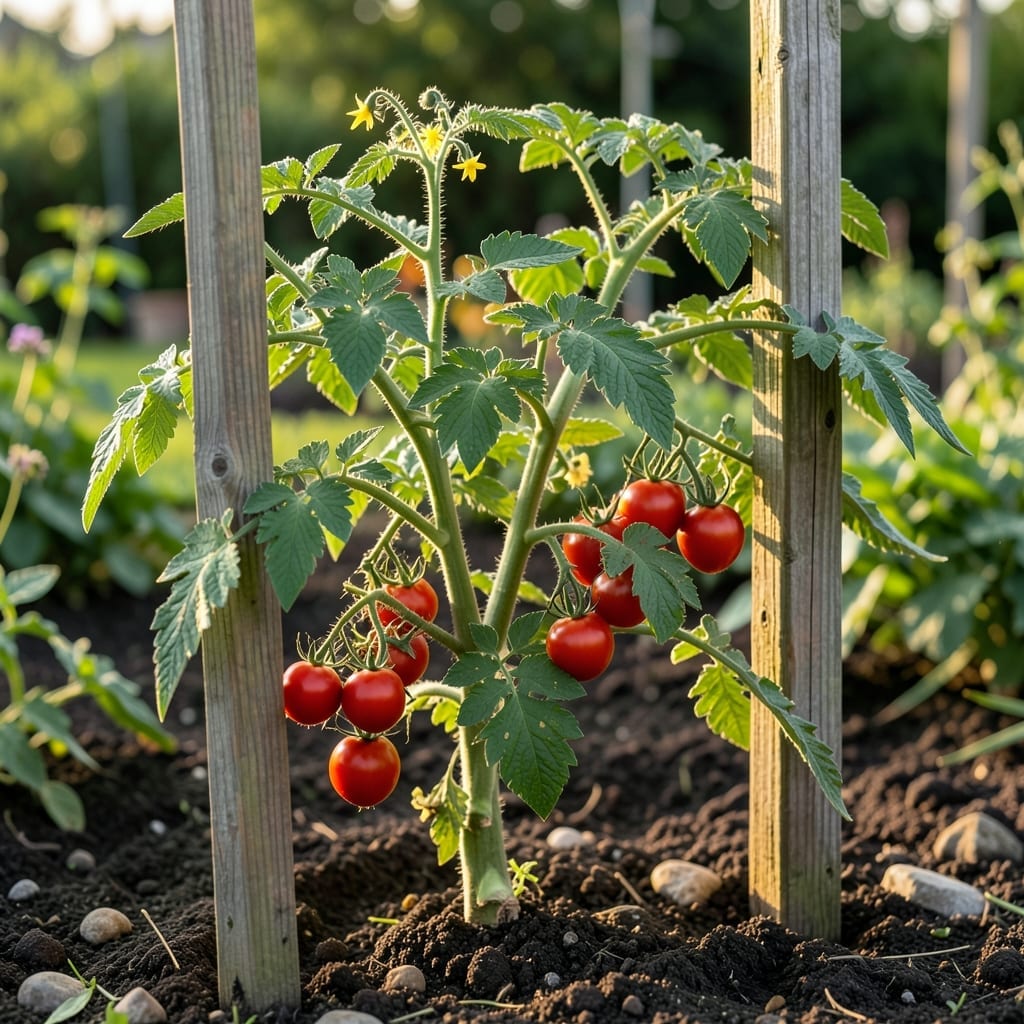
Tomatoes thrive on sunshine, but too much direct heat can actually harm your plants and reduce yields. Understanding when and how to provide shade could be the secret to your best harvest yet.
While the 🍅 Tomato loves basking in the sun, extreme temperatures can stress the plant. In my experience, even sun-loving varieties need protection during the hottest parts of the day.
I’ll walk you through the signs your tomatoes might be getting too much light. You’ll learn how to balance sunlight and shade for healthier growth.
Whether you’re in zone 6 or a hotter climate, these tips will help you grow strong, productive plants. Let’s get started.
 Best Window Placement
While tomatoes love sunshine, there are critical moments when shade becomes essential for their health and productivity. I’ve learned that extreme heat above 90°F can cause heat stress, leading to poor fruit set and even plant death.
Young tomato seedlings are especially vulnerable to intense sunlight and benefit from partial shade during their first week outdoors. Even mature plants may need afternoon shade in regions with scorching summers.
| Condition | Shade Requirement |
|---|---|
| Extreme Heat | 30-50% shade cloth |
| Young Seedlings | Dappled shade for 1 week |
| Drought Periods | Afternoon shade to conserve moisture |
| Sun Stress Signs | Immediate partial shade |
The science behind heat stress in tomatoes involves photosynthesis shutdown at high temperatures. When leaf temperatures exceed 104°F, the plant stops producing sugar, which is vital for fruit development.
In southern regions like Texas or Arizona, I always recommend shade structures for tomatoes during peak summer months. Even in temperate zones, heatwaves can create temporary shade needs.
Wilting leaves in the afternoon that don’t recover by morning often signal heat stress. Leaf scorch, appearing as brown crispy edges, is another clear indicator your tomatoes need sun protection. ☀️
For container-grown tomatoes, the need for shade is even greater because pots heat up faster than garden soil. I’ve found that moving containers to shaded areas during peak heat hours can prevent root damage.
Blossom drop is a common problem in overheated tomato plants. When daytime temps stay above 85°F and nighttime temps remain over 70°F, flowers may fall off before fruiting.
In my experience, cherry tomatoes are slightly more heat-tolerant than beefsteak varieties. Yet even these small-fruited types benefit from light shade during extreme heat spells.
Remember that shade requirements change throughout the growing season. Early spring plantings may need no shade, while late summer crops often require protection from the intensifying sun. 🌱
I’ve found that shade solutions vary greatly depending on your climate zone. In hot climates, 30-50% shade cloth works wonders during peak afternoon hours. This simple addition can lower soil temperature by several degrees.
For temperate zones, temporary shade during heatwaves is often sufficient. I recommend DIY structures like tomato cages wrapped with burlap or shade fabric for flexibility. ☀️
| Solution | Hot Climate | Temperate Climate |
|---|---|---|
| Shade Cloth | 50% permanent | 30% temporary |
| Companion Plants | Tall okra | Corn stalks |
| Timing | 12-4 PM | 1-4 PM |
Companion planting offers natural shade solutions. I’ve had success using tall sunflowers or corn plants to create dappled shade for my tomatoes. These work particularly well in raised beds where space is limited.
In desert climates, I always recommend permanent shade structures. Greenhouse shading or lath houses can provide consistent protection. These structures also help conserve water in arid conditions.
For container gardeners, the solution is often as simple as moving pots. I keep my potted tomatoes on wheeled bases so I can easily shift them to shaded patios during extreme heat. 🌱
Morning sun is always best for tomatoes, even in hot areas. I focus my shade solutions on the hottest part of the day, typically between 12 PM and 4 PM. This timing protects plants when they need it most.
Remember that shade needs change with the season. What works in July might be too much in May. I adjust my shade solutions monthly based on temperature trends and plant response. 🌿