
Beautiful Plants For Your Interior
Beautiful Plants For Your Interior
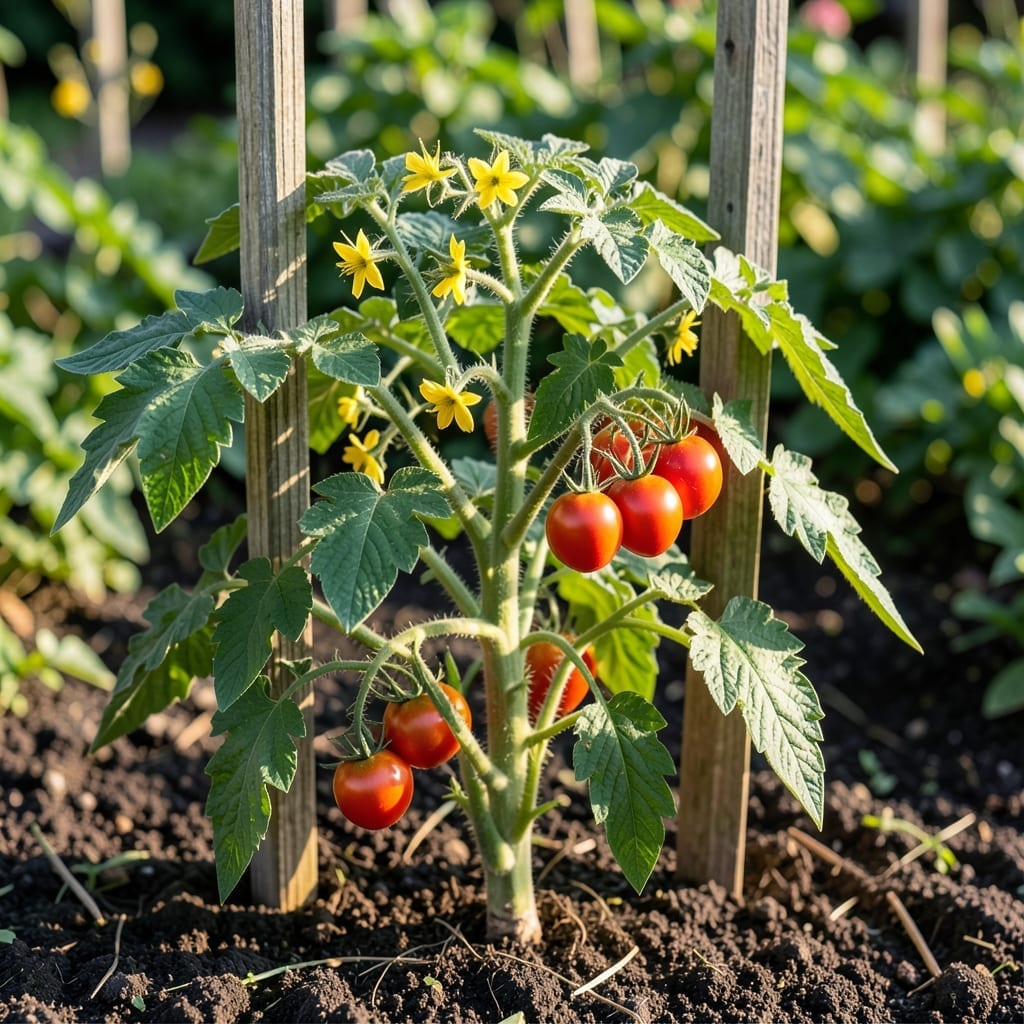
Tomatoes thrive on sunshine, but just how much do they really need to produce a bountiful harvest? The answer might surprise you.
The 🍅 Tomato plant isn’t just a fan of sunlight – it’s absolutely dependent on it. Without enough light, you’ll notice the difference in growth and fruit production almost immediately.
I’ve seen firsthand how the right amount of sun can transform a struggling Tomato plant into a healthy, fruit-laden beauty. It’s not just about quantity either – timing and intensity matter just as much.
Discover the ideal light conditions for your Tomato plants and watch them flourish like never before. Let’s shed some light on this essential aspect of Tomato care.

I often get asked: do tomatoes need full sun? The short answer is yes, but let’s break it down. Most tomato varieties thrive with 6-8 hours of direct sunlight daily. This isn’t just a suggestion—it’s a key factor for healthy growth and fruit production. ☀️
In my experience, indeterminate tomatoes (the vining types) often need even more—closer to 8-10 hours for maximum yield. Determinate varieties, or bush tomatoes, can manage with 6-7 hours, but they’ll still perform best with more light. Sunlight fuels photosynthesis, which directly impacts fruit size and plant vigor.
If you’re growing tomatoes in containers, remember that sun exposure can be more intense on balconies or patios. I recommend placing pots where they’ll get morning sun and some afternoon shade in extremely hot climates to prevent sunscald on the fruit. 🌱
What about light intensity? Not all sunlight is equal. Direct sunlight (unfiltered by trees or buildings) is what tomatoes crave. If your garden gets dappled light, you might need to supplement with reflective surfaces or choose shade-tolerant varieties like ‘Stupice’ or ‘Siberian’.
I’ve seen gardeners struggle when their tomatoes only get 4-5 hours of sun. The plants grow leggy and weak, with fewer flowers and smaller fruits. If your space is limited, prioritize southern exposure for your tomato beds or containers. This ensures they get the most intense light during the peak hours of 10 AM to 4 PM.
Another tip: rotate your plants if you’re using containers. This helps all sides of the plant receive even light distribution. I do this every few days, and it makes a noticeable difference in plant symmetry and fruit development. ✂️
For those in northern climates with shorter days, starting seeds indoors under grow lights can give your tomatoes a head start. Once transplanted outside, they’ll be ready to take full advantage of the summer sun. Just be sure to harden off your seedlings to avoid shock.
Don’t forget that sunlight needs can change as the season progresses. Early in the season, 6 hours might suffice, but as the plant matures and produces fruit, it’ll benefit from every extra hour of light it can get. I’ve found that consistent sunlight leads to more uniform ripening and better flavor.
Finally, observe your plants. If the lower leaves start yellowing or the stems look spindly, it’s often a sign they’re not getting enough light. In such cases, consider pruning nearby plants or relocating your tomatoes to a sunnier spot. A little adjustment can make a big difference in your harvest. 🌿
Even with the best intentions, tomato plants can struggle if they’re not getting enough sunlight. I’ve learned to watch for leggy stems—when plants stretch abnormally toward the light. This is your first clue that they’re sun-starved and searching for more. ☀️
Another red flag is yellowing leaves, particularly on the lower part of the plant. While this can signal other issues, insufficient light often causes the older leaves to yellow first as the plant redirects energy to new growth where light is more available.
⚠️ Warning: Sun Deprivation Symptoms
Your tomato plants may need more light if you notice: leggy growth, yellowing leaves, fewer flowers, or small fruits. Act fast to relocate or supplement light!
Poor flowering is a classic sign of inadequate sunlight. Tomatoes need sufficient light to produce blossoms, which turn into fruit. If your plants are lush and green but not flowering, they might be getting just enough light to survive—but not enough to thrive and produce. 🌱
Small or underdeveloped fruits are another indicator. Tomatoes grown in low-light conditions often produce fruit that stays small, takes longer to ripen, or never reaches full size. I’ve seen this happen even with cherry tomatoes, which are generally more forgiving.
If you notice slow growth overall, it’s worth checking your light situation. Tomatoes should grow vigorously during the warm season. Stunted growth, especially when combined with other symptoms, usually means the plant isn’t getting the energy it needs from sunlight.
In my garden, I’ve found that pruning nearby plants or adjusting container placement can make a world of difference. Sometimes, simply moving a pot a few feet can expose it to additional hours of direct sunlight. It’s amazing how quickly plants respond to better light conditions. ✂️