
Beautiful Plants For Your Interior
Beautiful Plants For Your Interior
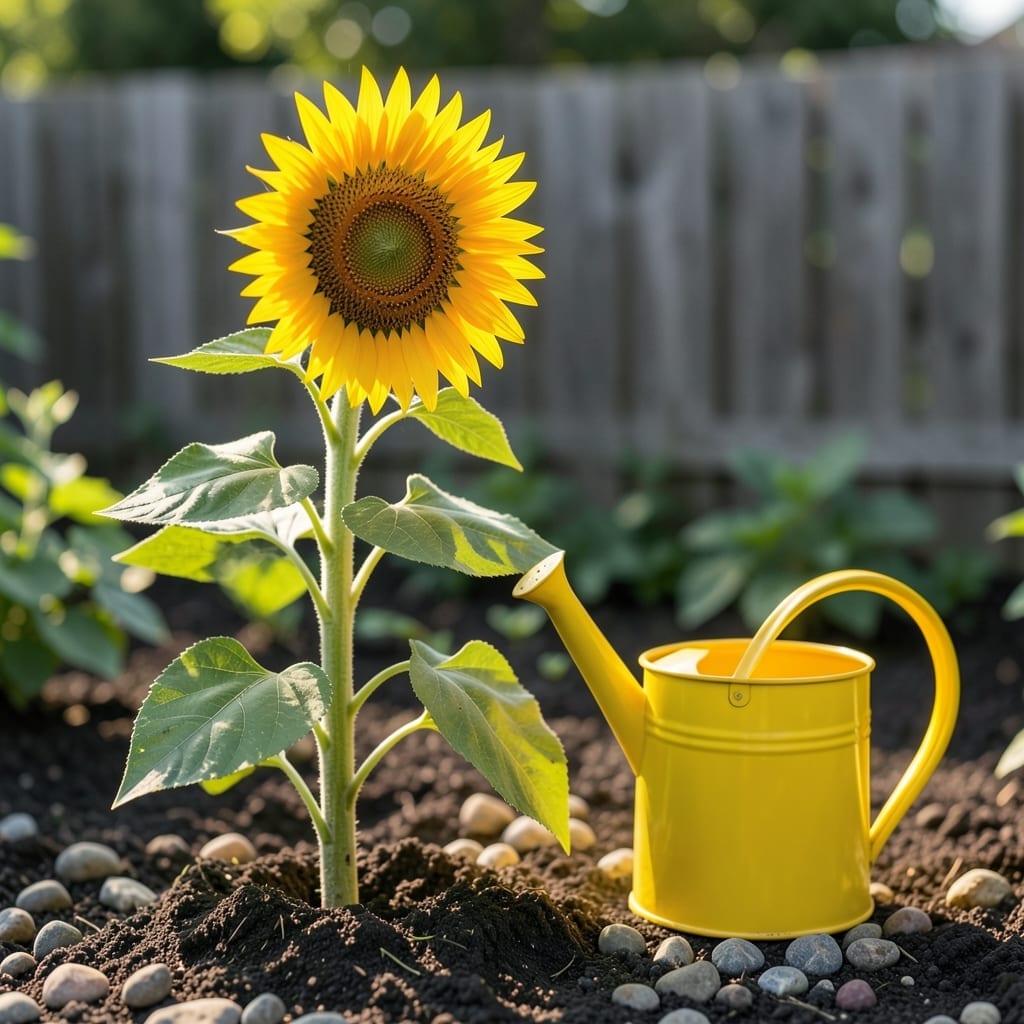
Sunflowers 🌻 bring instant joy to any garden, but their watering needs can leave even seasoned gardeners guessing. Too much or too little can stunt their iconic growth.
I’ve learned the hard way that these bright beauties thrive with consistent moisture—but not drowning. The key is finding that sweet spot for healthy stems and vibrant blooms.
Discover how to keep your sunflowers happy without the guesswork. It’s simpler than you might think!
Sunflowers 🌻 aren’t as thirsty as you might think. These hardy plants have moderate water needs, but the exact amount depends on their growth stage and environment. Getting it right ensures strong stems and vibrant blooms.
In my experience, young sunflowers need more attention than mature ones. Once established, they handle short dry spells better than many garden favorites. But consistency is key to avoid stress.
| Growth Stage | Water Needs | Frequency |
| Germination | Keep soil evenly moist | Daily (light mist) |
| Seedling | 1 inch per week | Every 3-4 days |
| Maturity | Deep watering | Weekly (1-2 gallons per plant) |
| Flowering | Reduce slightly | Every 7-10 days |
During germination, the soil must stay consistently moist but never soggy. I use a spray bottle to gently mist the area without disturbing the seeds. This prevents crusting and helps sprouts break through.
Once seedlings emerge, switch to gentle watering at the base. Aim for about 1 inch of water per week, either from rain or your hose. Morning watering is best to prevent fungal issues.
As sunflowers grow taller, their root systems deepen. At this stage, I water deeply but less often to encourage strong root development. 1-2 gallons per plant weekly works well in most climates.
When flower heads form, you can ease up slightly. Overwatering now can lead to weak stems or mold. Let the top inch of soil dry out between waterings. Drought-tolerant varieties need even less.
Climate matters too. In hot, dry areas, I water more frequently—sometimes twice weekly. In cooler, humid regions, once a week often suffices. Always check soil moisture before adding more.
For container-grown sunflowers, water needs increase. Pots dry out faster, so I check daily and water when the top inch feels dry. Use containers with drainage holes to avoid root rot.
Remember, well-draining soil is your ally. Sunflowers hate “wet feet”, so amend heavy clay with compost. This improves drainage while retaining just enough moisture for steady growth.
Sunflowers 🌻 will tell you when they’re thirsty or drowning. I’ve seen drooping leaves signal both too much and too little water, so you need to look closer. Yellowing leaves often mean overwatering, while crispy edges scream for a drink.
Wilting in morning usually indicates underwatering, but if they stay droopy all day, you might be overdoing it. I check the soil first—bone dry means water, soggy means stop.
🌱 Overwatering vs. Underwatering
✅ Too Much Water
❌ Too Little Water
Stunted growth is another red flag. If your sunflowers aren’t reaching their expected height, they might be water-stressed. I’ve found that consistent moisture during the seedling stage prevents this most effectively.
For mature sunflowers, watch the lower leaves. They’re the first to show stress. If they turn yellow and drop, you’re likely overwatering. Brown, crispy tips mean you need to water more deeply.
I always recommend the finger test. Stick your finger 2 inches into the soil. If it’s dry, water. If it’s damp, wait. This simple trick has saved me from many watering mistakes.
Remember, sunflowers are drought-tolerant once established. They’ll often recover from underwatering but rarely from root rot. When in doubt, water less—these tough plants can handle it. ☀️