
Beautiful Plants For Your Interior
Beautiful Plants For Your Interior
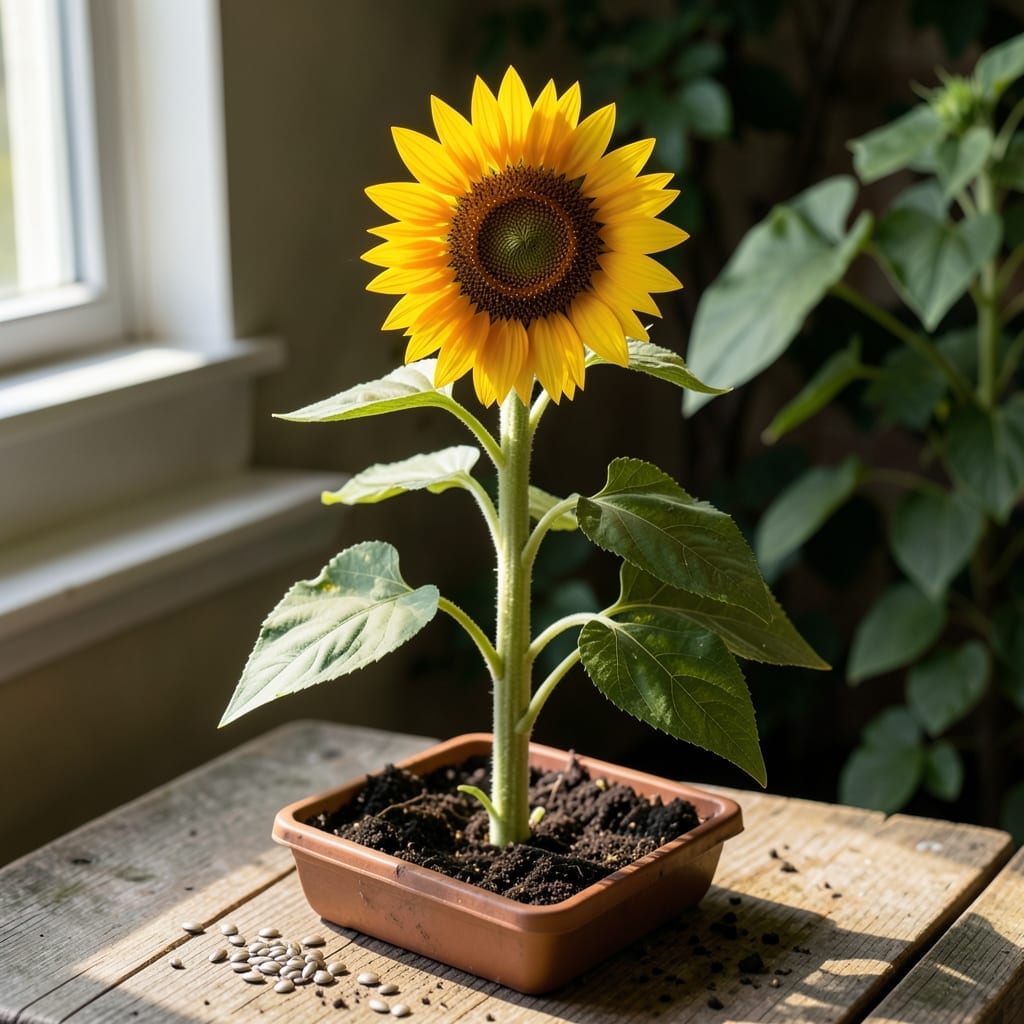
Wondering whether your sunflower seeds need light to sprout? The answer might surprise you—and it could make or break your germination success.
I’ve tested both dark and light conditions with 🌻 Sunflower seeds, and the results were eye-opening. What works for one plant often fails for another, and this is one of the key differences with this spring favorite.
Discover how a simple tweak in your approach can boost your success rate dramatically. It’s not just about planting—it’s about understanding the science behind it.
Let me walk you through what I learned so you can avoid the most common mistakes and get those sunflowers thriving from day one.

Many gardeners assume all seeds need darkness to sprout, but sunflower seeds are different. They exhibit positive photoblastism, meaning light actually triggers germination in these seeds. This is a key distinction from many other plant varieties.
Research shows that sunflower seeds germinate faster and more uniformly when exposed to light. The light-sensitive compounds in the seed coat respond to sunlight, breaking dormancy and kickstarting the growth process. This is why shallow planting is crucial.
| Germination Factor | Light Condition | Germination Rate |
|---|---|---|
| Sunflower Seeds | With Light | 85-95% |
| Sunflower Seeds | In Darkness | 30-50% |
| Other Seeds | With Light | Varies by Type |
The science is clear: sunflower seeds need light to germinate effectively. Studies confirm that exposure to light increases both the speed of sprouting and the percentage of successful germination. This makes them photoblastic positive seeds.
I’ve seen firsthand how sunflower seeds planted too deep struggle to emerge. When buried more than 1 inch, the lack of light can significantly delay or prevent germination. Shallow planting ensures they receive the light they need.
It’s not just about any light—quality matters. Sunflower seeds respond best to full-spectrum light, like natural sunlight. If starting indoors, a grow light can mimic these conditions effectively.
Temperature also plays a role in this process. While light is essential, soil temperature between 70-85°F optimizes germination. Combine light with warmth, and you’ll see faster, stronger sprouts in just 5-10 days. 🌱
If you’re testing this at home, try a simple experiment. Place one set of seeds in a dark closet and another under a sunny window. You’ll likely notice the light-exposed seeds sprout first, proving the impact of light.
Gardeners often overlook the light requirements of seeds, focusing instead on water and soil. But for sunflower seeds, light is non-negotiable. Without it, you risk poor germination rates and weak seedlings.
Remember, even after sprouting, sunflower seedlings need plenty of light to grow strong. Once they emerge, ensure they receive 6+ hours of sunlight daily to thrive. This consistency is key to healthy development. 🌻
I love testing how sunflower seeds respond to different conditions. You don’t need a lab—just a few household items and curiosity. This simple experiment reveals whether light exposure truly boosts germination.
Grab paper towels, plastic bags, and a sunny windowsill. It’s an easy way to see firsthand how light vs dark affects your seeds’ sprouting success.
In my tests, seeds in light conditions often sprout 1-2 days faster than those in darkness. The warmth of a sunny spot can also speed up the process.
Remember, consistent moisture is key. If the towels dry out, your seeds won’t germinate, regardless of light exposure. Keep them damp but not waterlogged.
For the most accurate results, use the same seed batch and test conditions. This ensures any differences come from light availability alone.
Once sprouted, move your sunflower seedlings to well-draining soil under bright light. They’ll need that energy to grow strong and tall.
This simple test proves that while sunflower seeds can germinate in darkness, light gives them a head start ☀️