
Beautiful Plants For Your Interior
Beautiful Plants For Your Interior
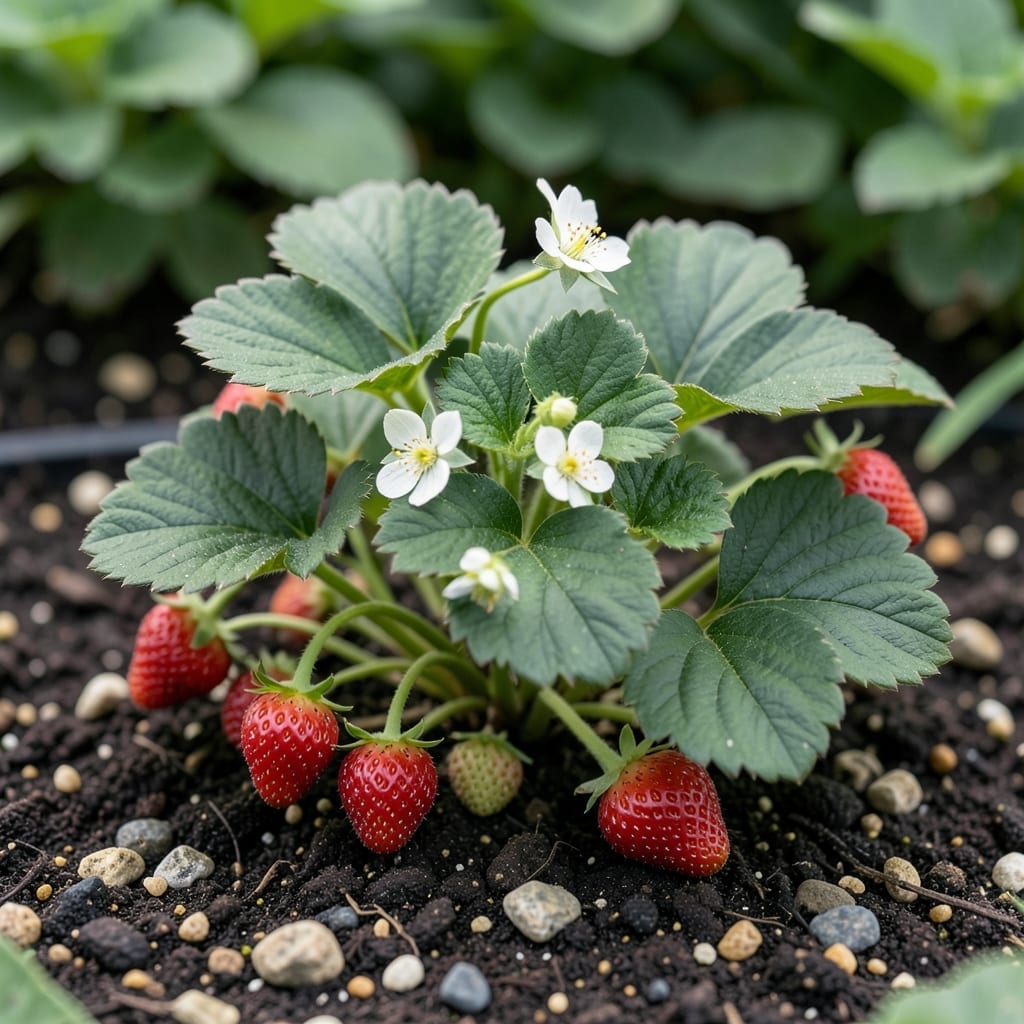
Watching your Strawberry plants thrive—or struggle—often comes down to one simple factor: sunlight. Get it right, and you’ll enjoy plump, sweet berries all season long.
The 🍓 Strawberry is more particular than you might think when it comes to light. Too little, and you’ll end up with sparse, flavorless fruit. Too much in hot climates, and the plants can scorch.
I’ve tested different setups in my own garden, and the difference proper sunlight makes is undeniable. Whether you’re growing in the ground or containers, light exposure directly impacts your harvest.
Discover how to strike the perfect balance for your zone 4-9 plants. The right approach means bigger, sweeter berries with minimal fuss.
 Best Window Placement
If you’ve ever wondered do strawberry plants like sun or shade, the answer is clear: they thrive in full sun. These fruiting plants need 6-8 hours of direct sunlight daily to produce the sweetest, plumpest berries. Without enough light, you’ll notice smaller fruits and weaker plants. ☀️
I’ve tested this in my own garden, and the difference is stunning. June-bearing strawberries especially demand maximum sunlight to develop their signature large, juicy berries. Even a few hours of shade can reduce your harvest significantly. The sugar content in the berries is directly tied to sun exposure. 🌱
| Strawberry Type | Ideal Sun Exposure | Fruit Production |
|---|---|---|
| June-bearing | Full sun (6-8 hours) | Largest berries, single harvest |
| Everbearing | Full to partial sun | Multiple harvests, medium berries |
| Day-neutral | Full sun (minimum) | Continuous fruiting, smaller berries |
Everbearing and day-neutral varieties are slightly more tolerant of partial shade, but they’ll still produce best with at least 6 hours of sun. I’ve found that even in dappled shade, these types can yield, but the berries won’t be as sweet or abundant. 🌿
Shade-grown strawberries often develop longer stems and fewer runners, as the plant stretches for light. This can make them look leggy and sparse. If your garden has limited sun, consider container gardening to move pots into sunnier spots as the day progresses.
In hotter climates, a bit of afternoon shade can actually benefit strawberries by preventing scald on the fruit. However, this is the exception, not the rule. Most gardeners will see the best results with consistent, full sun exposure throughout the growing season.
I always recommend planting strawberries in the sunniest spot of your garden. If you’re working with raised beds, position them to avoid shadows from trees or fences. Even reflective mulches can help maximize the light your plants receive.
Morning sun is particularly valuable because it helps dry dew from the leaves, reducing the risk of fungal diseases. Strawberries are prone to gray mold and powdery mildew, so good air circulation and sunlight are your best defenses.
If you’re growing strawberries in containers, place them on a south-facing patio or balcony for optimal light. Rotate the pots occasionally to ensure even growth on all sides. I’ve had great success with hanging baskets in full sun locations.
Remember, the quality of sunlight matters too. Strawberries need direct, unfiltered light to thrive. If your garden only gets filtered light through trees, your plants may struggle to produce significant fruit, no matter how many hours of light they receive.
I’ve found that strawberry plants thrive with 6-8 hours of direct sunlight daily. Less light means smaller fruits and lower yields, so aim for a sunny spot in your garden.
If your garden has partial shade, don’t worry. You can still grow strawberries by choosing the right variety, like alpine strawberries, which tolerate less light.
For container gardening, place pots on a sunny patio or balcony. I’ve had great success with hanging baskets that get morning sun and afternoon shade in hot climates.
In hotter regions, a bit of afternoon shade can actually prevent scorching. Use shade cloth to protect plants during peak heat while still allowing sunlight.
If you notice pale leaves or leggy growth, your plants may need more light. Try relocating them or trimming obstructions to improve exposure.
Remember, consistent sunlight is key for sweet, juicy berries. With these adjustments, you’ll see a bigger harvest in no time. ☀️
I always monitor my plants and adjust their light conditions as the seasons change for the best results. 🌱