
Beautiful Plants For Your Interior
Beautiful Plants For Your Interior
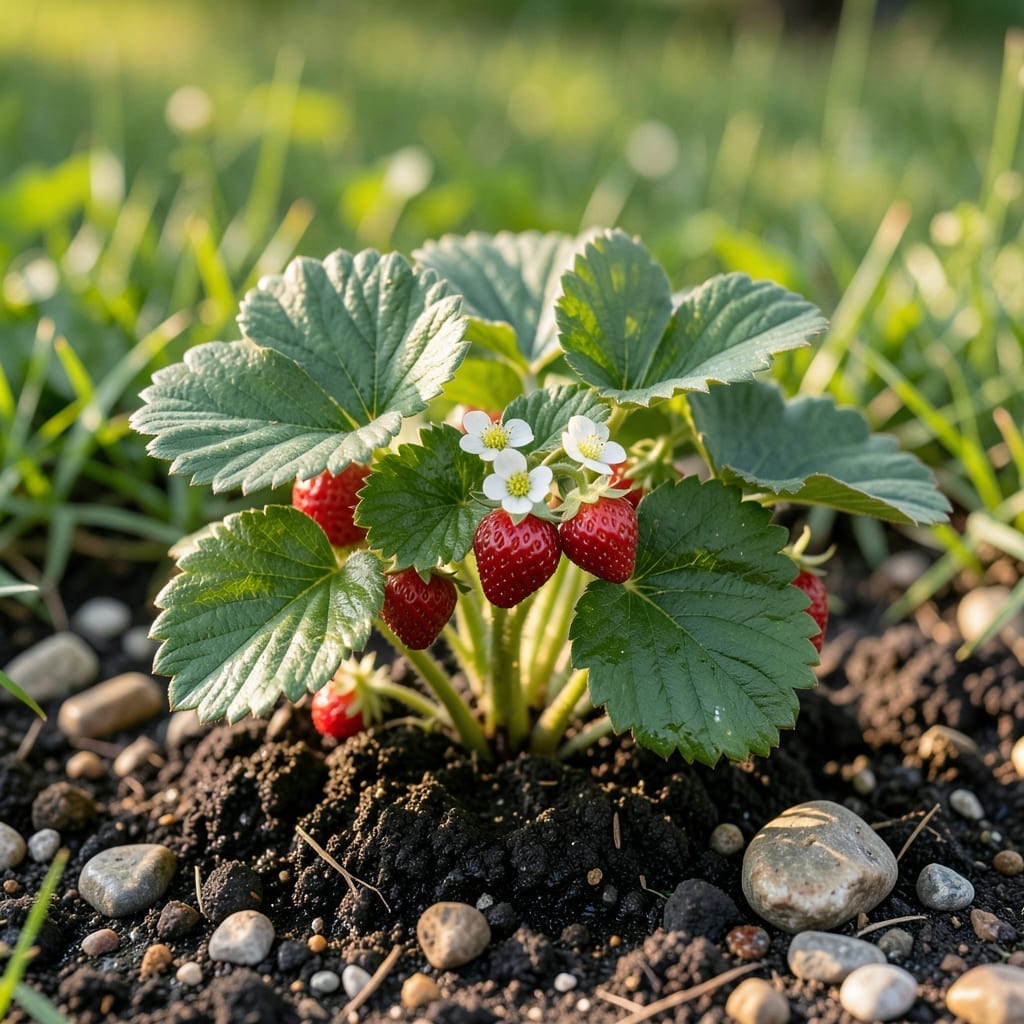
If your Strawberry plants are struggling to produce sweet, juicy berries, the culprit might be as simple as sunlight—or the lack of it. Many gardeners underestimate how crucial light is for these plants.
Getting the light right can mean the difference between a bountiful harvest and disappointing results. I’ve seen firsthand how proper exposure transforms growth and flavor.
Let me walk you through what these plants truly need to thrive, so you can enjoy the best possible yield from your garden.

The short answer is yes, strawberries need full sun to produce their best harvest. These plants thrive with 6-10 hours of direct sunlight daily, which directly impacts their fruit production and sweetness.
Sunlight fuels photosynthesis, helping strawberries develop sugars and vitamins. Without enough light, you’ll notice smaller berries with less flavor. I’ve seen this firsthand in my own garden experiments.
| Light Condition | Hours of Sun | Expected Result |
|---|---|---|
| Full Sun | 6-10 hours | Largest, sweetest berries |
| Partial Shade | 4-6 hours | Smaller berries, moderate yield |
| Full Shade | 0-2 hours | Poor growth, few berries |
In full sun, strawberries produce abundant and flavorful fruit. The plants grow vigorously, with strong runners and healthy foliage. This is the ideal scenario for any gardener.
With partial shade, you’ll still get berries, but they’ll be smaller and less sweet. The plants may also produce fewer runners, which means fewer new plants for next season.
In full shade, strawberries struggle to survive. They may produce some leaves, but don’t expect a meaningful harvest. The lack of light stunts growth and prevents proper fruit development.
I recommend placing your strawberries in the sunniest spot available. If your garden has limited sun, consider container gardening so you can move pots to follow the light throughout the day.
Morning sun is particularly beneficial because it helps dry foliage quickly, reducing the risk of fungal diseases. This is especially important in humid climates where moisture can linger on leaves.
If you’re growing strawberries indoors, place them near a south-facing window or use grow lights for at least 12-14 hours daily. Without sufficient light, indoor plants will be weak and unproductive.
Remember, even shade-tolerant varieties like ‘Alpine’ strawberries perform better with more light. While they can handle less sun than June-bearing types, they still need at least 4-6 hours for decent yields.
By prioritizing sunlight, you’ll set your strawberries up for success and enjoy a bountiful, delicious harvest all season long. ☀️
If your strawberry plants look weak or underperform, insufficient light might be the issue. I’ve noticed that even a small drop in sunlight hours can significantly affect their growth and productivity.
One of the first signs is smaller berries with less sweetness. These plants can’t develop their full flavor potential without adequate light. Another red flag is pale or yellowing leaves, often accompanied by leggy growth, where stems stretch thinly toward available light.
You might also notice fewer flowers or reduced fruiting. Strawberries need light to produce energy for blooming and berry development. Without enough sun, the plant focuses on survival rather than reproduction.
Another common issue is increased disease susceptibility. Plants in shady, damp conditions are more prone to fungal problems like powdery mildew or gray mold. I always recommend improving airflow and sunlight to prevent these issues.
To confirm light deficiency, compare your plants to those in full sun. Healthy strawberries in good light have vibrant green leaves, sturdy stems, and plentiful berries. If yours don’t match this, it’s time to relocate them.
If you’re unsure, try moving a few plants to a sunnier spot for a week. You’ll often see noticeable improvements in leaf color and growth vigor within days. This simple test can confirm whether light is the limiting factor in your garden. ☀️