
Beautiful Plants For Your Interior
Beautiful Plants For Your Interior
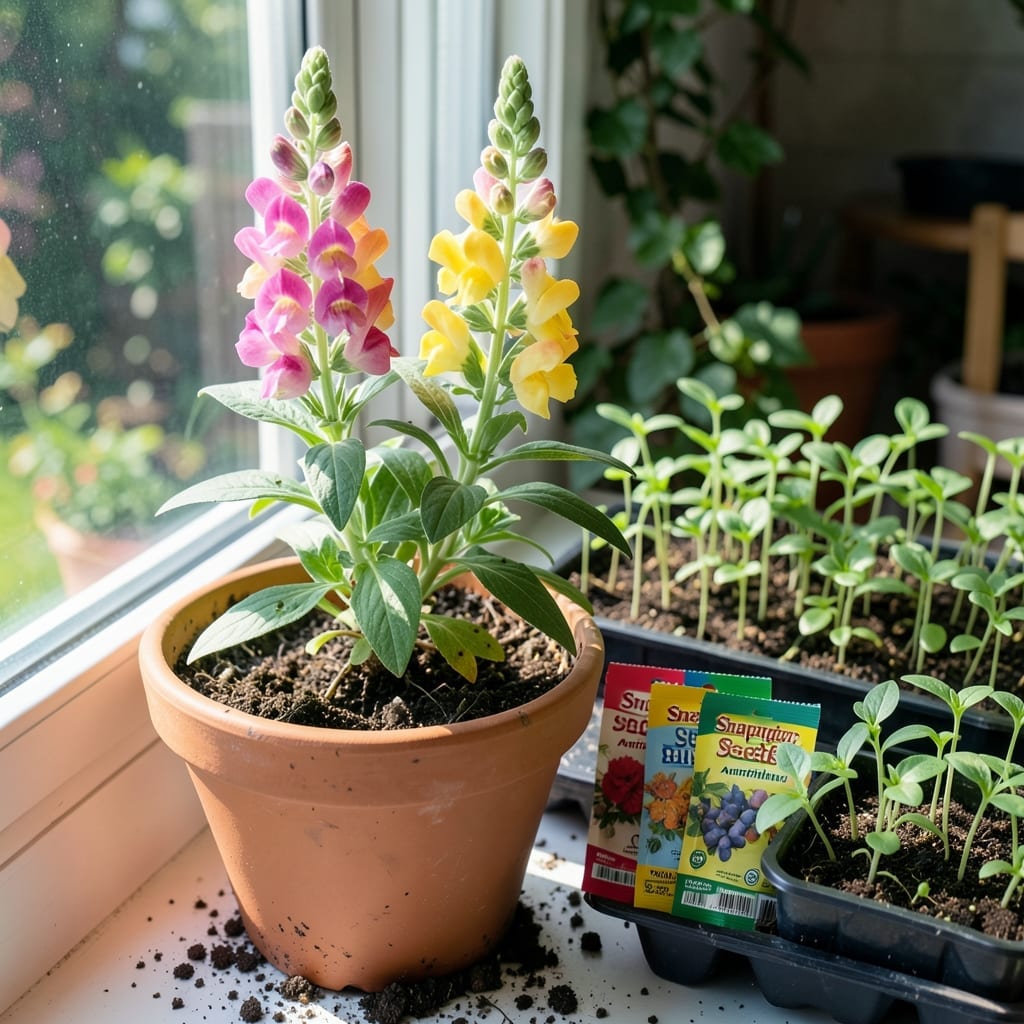
Snapdragons bring vibrant color to any garden, but their germination process often puzzles even seasoned growers. I remember my first attempt left me staring at empty seed trays for weeks.
The truth about Snapdragon seeds might surprise you. Unlike many plants, these tiny powerhouses have a unique relationship with light that can make or break your success.
Discover the simple yet crucial light conditions that will transform your germination rates. Let me show you how to get it right from the start.


I’ve tested snapdragon germination under different conditions, and the results are clear. These seeds are light-dependent germinators, meaning they need exposure to light to trigger sprouting.
Unlike some seeds that prefer darkness, snapdragons won’t germinate well if buried too deep. This is because light helps break their dormancy cycle and signals that conditions are right for growth.
🌱 Key Takeaway
Snapdragons require light to germinate. Do not cover seeds with soil—press them lightly into the surface and keep them exposed to bright, indirect light.
Scientifically, snapdragon seeds contain light-sensitive compounds called phytochromes. These react to light wavelengths, particularly in the red and far-red spectrum, to initiate germination.
In my experience, seeds placed under grow lights or near a sunny window sprout in 7–14 days, while those in darkness often fail. Consistency is key—ensure they receive 12–16 hours of light daily.
If you’re starting seeds indoors, use a fluorescent or LED grow light. Position it 2–4 inches above the trays to mimic natural sunlight. This prevents leggy seedlings and promotes strong, healthy growth.
A common mistake is using direct sunlight from a south-facing window, which can dry out the soil. Instead, opt for bright, indirect light or supplement with artificial lighting for best results.
For outdoor sowing, choose a partially shaded spot to avoid scorching young seedlings. Keep the soil moist but not soggy, as excessive water can rot the seeds before they sprout.
Temperature also plays a role. Snapdragons germinate best at 65–75°F. If your home is cooler, a seedling heat mat can help maintain the ideal range.
Once sprouted, gradually introduce seedlings to direct sunlight to harden them off. This prepares them for transplanting into the garden, where they’ll thrive in full sun conditions. ☀️
Starting snapdragon seeds indoors gives you a head start on the growing season. I begin by selecting a well-draining seed-starting mix to prevent rot and ensure healthy root development.
Fill your seed trays with the mix, then lightly press the seeds into the surface. Remember, snapdragons need light to germinate, so resist the urge to bury them deeply. A light touch is all that’s needed.
🌱 Germination Steps
After planting, I cover the trays with plastic wrap to maintain humidity. This creates a mini greenhouse effect, which helps the seeds retain moisture while still allowing light to penetrate.
Place the trays under grow lights or near a sunny window. I’ve found that LED grow lights work exceptionally well, providing consistent light without the heat of traditional bulbs.
Keep the soil evenly moist but not waterlogged. I use a spray bottle to mist the surface gently, which prevents disturbing the seeds. Within 7–14 days, you should see tiny sprouts emerging.
Once the seedlings have 2–3 true leaves, it’s time to transplant them into individual pots. At this stage, they’ll need more space to grow and develop strong root systems.
Hardening off is crucial before moving them outdoors. Gradually introduce them to direct sunlight over a week to prevent shock. This step ensures your snapdragons thrive in the garden. ☀️