
Beautiful Plants For Your Interior
Beautiful Plants For Your Interior
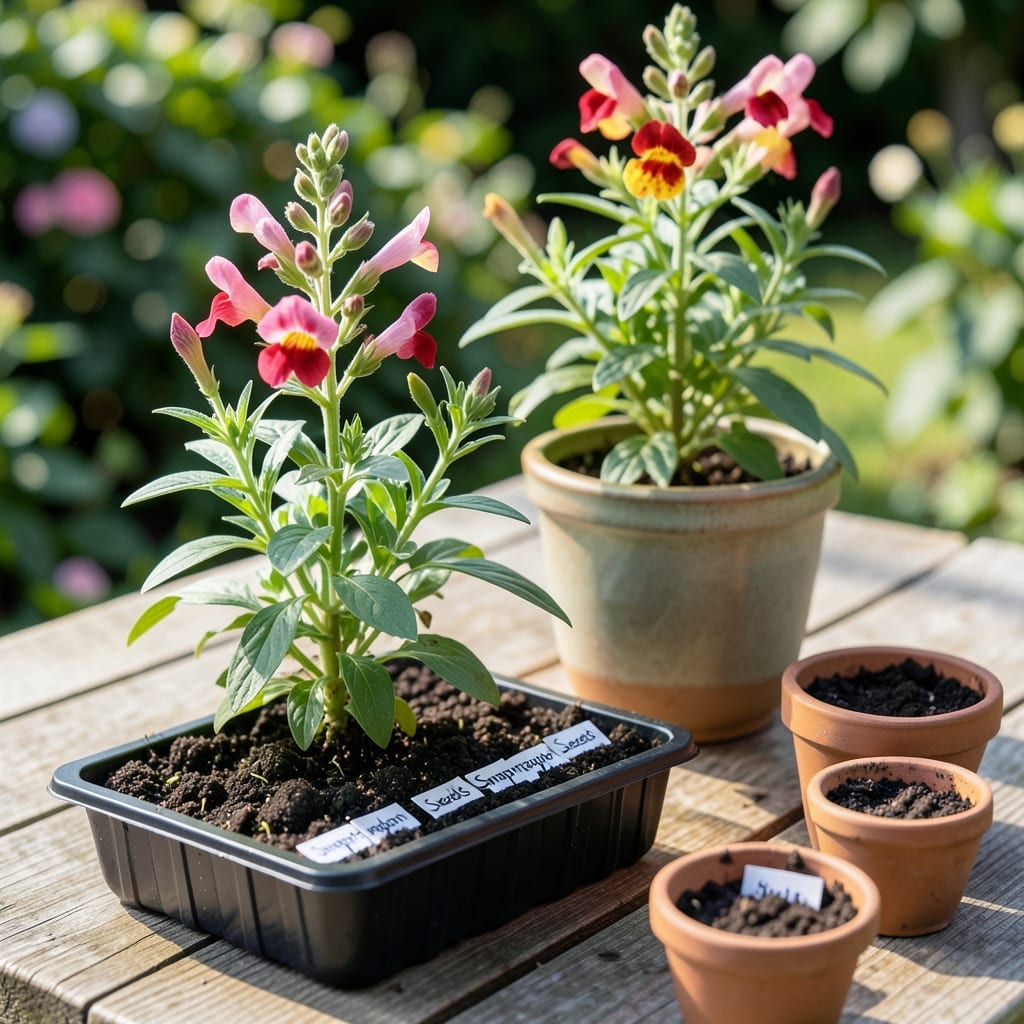
Struggling with poor Snapdragon germination? Cold stratification might be the missing step to unlock stronger, faster-sprouting seedlings.
This simple pre-treatment mimics winter conditions, signaling 🌸 Snapdragon seeds it’s time to grow. It’s a game-changer for gardeners in zone 6 and beyond.
Discover whether this method is necessary for your seeds and how to do it right. I’ll walk you through the process for better results this spring.
If you’ve ever struggled with slow or uneven germination of snapdragons, you’re not alone. Many gardeners wonder if cold stratification is the secret to better results. The short answer: it’s helpful but not always required for 🌸 snapdragons.
Cold stratification mimics the natural winter dormancy period, breaking down the seed coat to trigger germination. For snapdragons, this process can boost germination rates and lead to stronger seedlings. However, it’s not always mandatory for success.
Cold stratification improves snapdragon germination but isn’t always needed. It’s most beneficial for older seeds or gardeners in cooler climates (zones 6 and below). For fresh seeds or warmer zones, it’s optional.
Snapdragons are perennial in zones 7-11 but often grown as annuals elsewhere. In cooler climates, cold stratification can give seeds the head start they need to thrive. This is especially true if you’re starting seeds indoors early in the season.
I’ve found that fresh snapdragon seeds often germinate without stratification, but the process can speed up results by a few days. If you’re sowing older seeds (over a year old), stratification is highly recommended to improve viability.
The science behind it is simple: cold stratification softens the seed coat, allowing moisture to penetrate more easily. This signals the seed that spring has arrived and it’s time to grow. Without it, some seeds may remain dormant, leading to patchy germination.
For gardeners in USDA zones 6 and below, stratification is almost always worth the effort. It helps compensate for the shorter growing season and ensures your snapdragons have enough time to mature and bloom before the first frost.
In warmer climates (zones 7 and up), you can often skip stratification, especially if you’re direct sowing in early spring. The natural temperature fluctuations will often do the work for you. However, if you’re starting seeds indoors, a short stratification period can still be beneficial.
If you’re unsure whether your seeds need stratification, a good rule of thumb is to test a small batch. Sow a few seeds with and without stratification and compare the results. This way, you can see firsthand whether the extra step makes a difference for your specific seeds and growing conditions.
Ultimately, while snapdragons don’t strictly require cold stratification, it’s a simple and effective way to improve germination rates and seedling vigor. If you’re looking for the best possible start for your snapdragons, it’s worth giving it a try this season.
I always recommend stratification for early indoor starts in February or March. It’s a small effort with big rewards for your garden.
Cold stratifying snapdragon seeds is a straightforward process that can significantly improve your germination success. I always start by gathering a few simple supplies and setting aside 1-2 weeks for the process.
This method works by exposing seeds to cold, moist conditions, which mimics the natural winter dormancy they’d experience outdoors. For Snapdragons, this breaks down the seed coat and signals it’s time to grow.
I recommend using a zip-top bag for easy monitoring and moisture control. Be sure to label it with the date and seed type to avoid confusion with other seeds in your fridge.
After 10-14 days, your seeds will be ready to plant. You’ll notice the seed coats appear slightly swollen, which indicates they’ve absorbed moisture and are primed for germination. This is a good sign that the stratification worked.
For best results, plant your stratified seeds in well-draining seed-starting mix and keep them at 70-75°F for optimal germination. I’ve found that stratified seeds often sprout 3-5 days faster than untreated ones.