
Beautiful Plants For Your Interior
Beautiful Plants For Your Interior
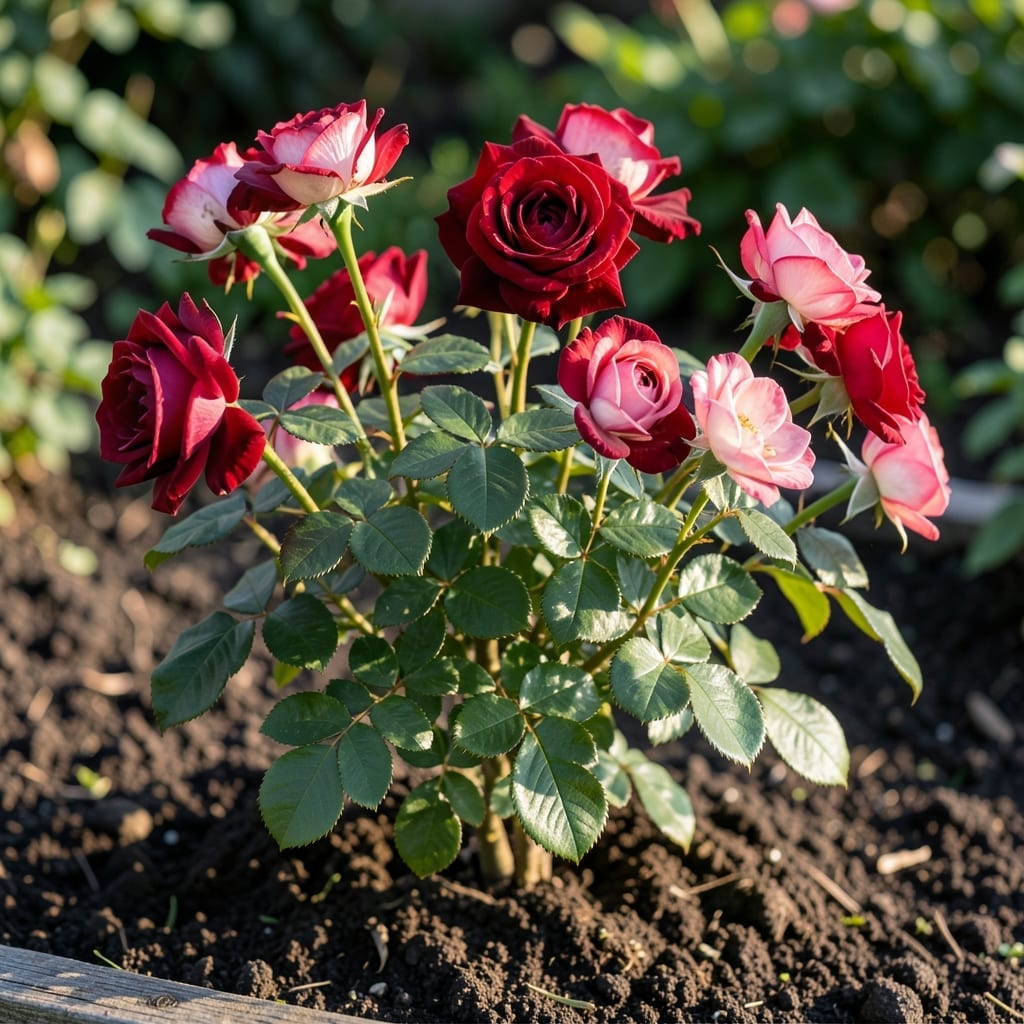
Roses are beloved for their stunning blooms and fragrance, but their light requirements often spark confusion among gardeners. The 🌹 Rose thrives best when given the right amount of sunlight.
Many assume these flowers demand constant sun, but the reality is more nuanced. Healthy growth depends on understanding their specific needs.
I’ve seen firsthand how proper light exposure transforms a struggling plant into a vibrant showstopper. The difference can be dramatic.
Let me share what I’ve learned about giving roses the light they need to flourish. You’ll be amazed at how simple adjustments can lead to more abundant blooms.

I often get asked if roses require full sun to grow well. The short answer is yes—most roses need 6+ hours of direct sunlight daily to produce their best blooms and strong stems. Without enough light, they may grow leggy and weak with fewer flowers. ☀️
However, not all roses demand the same amount of sun. Some varieties can tolerate partial shade, especially in hotter climates where afternoon shade protects them from scorching. But for vibrant blooms and disease resistance, full sun is ideal. 🌿
| Requirement | Specification |
|---|---|
| Minimum Sunlight | 6+ hours daily |
| Ideal Light Type | Direct sunlight |
| Partial Shade Tolerance | Some varieties |
| Bloom Impact | More sun = more flowers |
In my experience, hybrid tea roses and floribundas thrive in full sun, producing larger blooms and stronger fragrances. These types need that intense light to develop their signature flowers and resist common diseases like black spot or powdery mildew. ☀️
For gardeners with shadier spaces, I recommend climbing roses or old garden roses. Varieties like ‘New Dawn’ or ‘Zephirine Drouhin’ can handle 4-6 hours of sun and still perform well. They won’t bloom as prolifically as sun-loving roses, but they’ll reward you with beautiful displays. 🌹
If your roses aren’t getting enough light, you might notice sparse foliage or weak stems. These are classic signs of light deprivation. To fix this, consider pruning nearby trees or relocating your roses to a sunnier spot. I’ve seen dramatic improvements in bloom quality after making this change. ✂️
Another tip: morning sun is especially valuable for roses. It helps dry dew from leaves, reducing the risk of fungal diseases. If you can’t provide full sun all day, prioritize eastern exposure where they’ll get those critical morning rays. 🌱
In hotter regions like USDA zones 9-11, afternoon shade can actually benefit roses by preventing heat stress. I’ve found that a balance of sun and shade works best in these climates, with protection from the hottest part of the day. 🌡️
For container-grown roses, you have more flexibility. I move my potted roses around to chase the sun as the seasons change. This way, they always get the light they need, even on a small balcony or patio. Just
Ultimately, while most roses prefer full sun, there’s always a variety to suit your garden’s light conditions. The key is matching the rose type to your space and providing the best care possible within those constraints. With the right approach, you’ll enjoy stunning blooms regardless of your sunlight availability. 🌷
While most roses thrive in full sun, some varieties tolerate partial shade surprisingly well. I’ve found that climbing roses like ‘New Dawn’ can flourish with just 4-6 hours of sunlight daily. These adaptable plants still produce abundant blooms with proper care.
For gardeners with shady spots, I recommend ‘Zephirine Drouhin’, a thornless bourbon rose that handles dappled light beautifully. Its deep pink flowers and strong fragrance make it a standout choice for less-than-ideal conditions.
To maximize performance in partial shade, I suggest planting roses where they’ll get morning sun. This helps dry foliage quickly, reducing the risk of fungal diseases like black spot. Even shade-tolerant varieties need good air circulation to stay healthy.
Another tip: mulch heavily around the base to retain moisture and regulate soil temperature. In shadier areas, soil stays damp longer, so be cautious not to overwater. I’ve seen roses struggle when their roots sit in soggy soil for too long.
For those with deep shade, consider companion planting with other shade-loving plants to create a layered garden effect. While roses may not bloom as prolificly, their foliage still adds beauty and texture to the landscape.
Remember, even shade-tolerant roses will perform best with as much light as possible. If you can provide dappled sunlight throughout the day, your roses will reward you with more vibrant blooms and stronger growth.
☀️🌹