
Beautiful Plants For Your Interior
Beautiful Plants For Your Interior
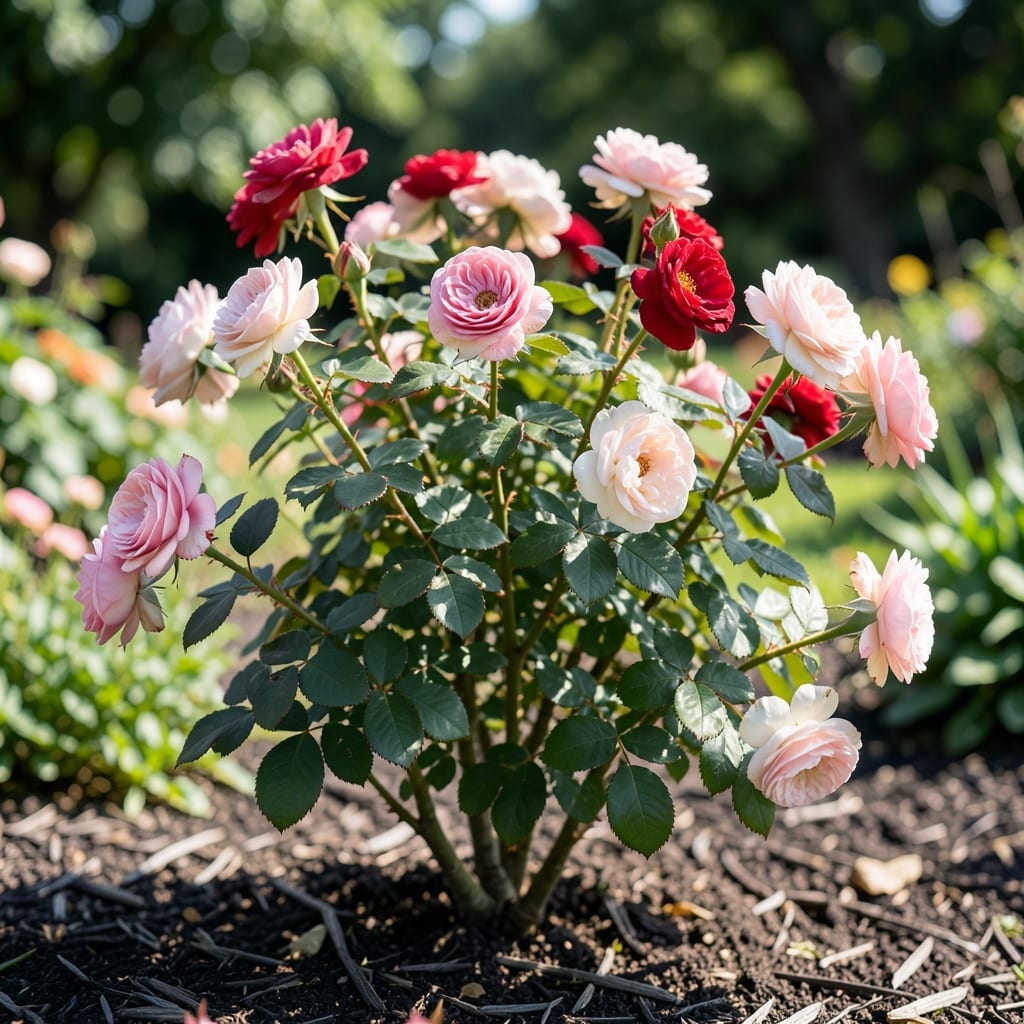
Picture this: your garden filled with vibrant 🌹 Rose blooms, their colors popping against the green backdrop. But here’s the catch – without the right light, they might never reach their full potential.
I’ve learned the hard way that most important factor for healthy Roses is proper sunlight. These beauties aren’t just sun-tolerant – they absolutely thrive on it.
Yet it’s not as simple as just planting them in the brightest spot. There’s a sweet spot between too much and too little that makes all the difference.
Discover how to give your Roses the perfect light conditions for those show-stopping blooms you’ve been dreaming about. Let me show you exactly what works.

If you’ve ever wondered do roses like sun, the answer is a resounding yes! Most roses thrive with 6 to 8 hours of direct sunlight daily. This ensures strong stems, vibrant blooms, and healthy foliage. Without enough light, roses can become leggy and weak.
However, not all roses have the same needs. Hybrid teas and grandifloras demand full sun, while some climbing roses tolerate partial shade. Even shade-tolerant varieties perform best with at least 4 hours of sunlight.
| Rose Type | Sunlight Requirement | Notes |
|---|---|---|
| Hybrid Teas | 6-8+ hours | Full sun for best blooms |
| Climbing Roses | 6-8 hours | Tolerates light afternoon shade |
| Shrub Roses | 4-6 hours | More shade-tolerant |
| Old Garden Roses | 4-6 hours | Adapts to partial shade |
In my experience, morning sun is most beneficial. It dries dew quickly, reducing fungal disease risk. Afternoon shade can help in hot climates, preventing petal scorch. Always observe your roses’ response to light conditions.
For optimal growth, plant roses where they’ll get eastern exposure. This provides gentle morning sun and protection from harsh afternoon rays. In cooler climates, southern exposure works best for maximum sunlight.
If your garden has limited sun, choose shade-tolerant varieties like ‘The Fairy’ or ‘Cécile Brünner’. These can thrive with just 4 hours of sunlight, though they may produce fewer blooms than sun-loving varieties.
Watch for signs of too much sun, such as scorched petals or wilting leaves. In extreme heat, provide temporary shade during peak afternoon hours. Mulching helps retain moisture and protect roots from heat stress.
Remember, even sun-loving roses benefit from some shade in the hottest part of the day, especially in USDA zones 8-10. This prevents heat stress and helps blooms last longer.
For container-grown roses, you have more control. Move pots to follow the sun or provide shade as needed. Consistent light is key, so avoid spots with dappled shade that changes throughout the day.
In my garden, I’ve found that 6 hours of sun is the sweet spot for most roses. With proper light, you’ll be rewarded with abundant blooms and healthy plants that resist pests and diseases better than those grown in shade. ☀️
Not all roses have the same sunlight needs. While most thrive in full sun, some tolerate partial shade beautifully. I’ve found that matching the variety to your garden’s light conditions makes all the difference in bloom quality and plant health.
For full sun areas (6+ hours daily), hybrid teas like ‘Mister Lincoln’ and climbing roses such as ‘New Dawn’ perform exceptionally well. These varieties reward you with abundant blooms and strong fragrances when given ample light.
If your garden has dappled shade, try shrub roses like ‘Knock Out’ or David Austin roses. These are more forgiving and still produce beautiful blooms with less direct light.
For hot climates, I recommend drought-tolerant varieties like ‘Iceberg’ or ‘Earth Song’. These can handle intense afternoon sun without wilting, as long as they’re well-watered.
In cooler regions, rugged roses such as ‘Rugosa’ or ‘Canadian Explorer series’ are ideal. They thrive in full sun but can also manage with less light during shorter days.
Remember, even shade-tolerant roses need some sunlight to bloom. If your garden is very shady, consider container planting so you can move pots to sunnier spots as needed. ☀️