
Beautiful Plants For Your Interior
Beautiful Plants For Your Interior
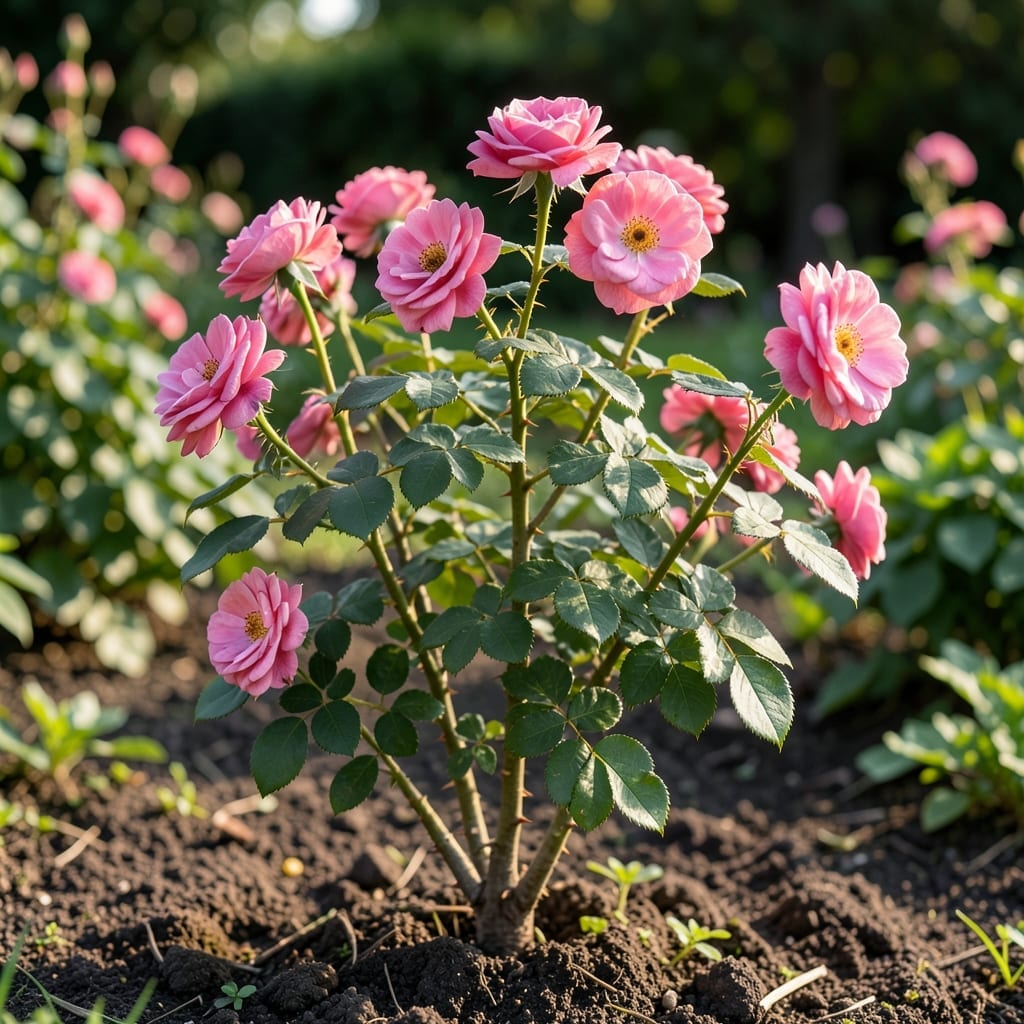
Roses are the crown jewels of any garden, but their blooming success hinges on one critical factor: sunlight. Whether you’re planting hybrid teas or climbing varieties, understanding their light needs can mean the difference between lackluster growth and vibrant, abundant flowers.
I’ve seen Rose Bush 🌹 thrive in 6+ hours of direct sun, but even partial shade can work with the right approach. The key is knowing your variety’s specific requirements.
Let me show you how to assess your garden’s light conditions and choose the most suitable roses for your space. Your blooms will thank you.

If you’re wondering do rose bushes require full sun, the answer is a resounding yes for most varieties. I always recommend 6-8 hours of direct sunlight daily for optimal blooming and plant health. Without sufficient light, roses often produce fewer flowers and become susceptible to disease.
However, not all roses have identical needs. Some modern hybrids thrive in full sun, while older varieties and certain climbers can tolerate partial shade. The key is matching the rose type to your garden’s light conditions.
| Rose Variety | Sunlight Needs | Bloom Impact |
|---|---|---|
| Hybrid Tea | 6-8 hours | Maximizes flower size |
| Floribunda | 6+ hours | Abundant clusters |
| Climbing | 4-6 hours | Good in partial shade |
| Shrub | 4-8 hours | Versatile tolerance |
I’ve found that Hybrid Tea roses absolutely demand full sun to produce their signature large blooms. These divas of the rose world will reward your efforts with stunning flowers when given ample light. Their long stems and high-centered blooms are classic for a reason.
For gardeners with partially shaded areas, consider climbing roses or shrub varieties. These can thrive with 4-6 hours of sunlight, though you might see a slight reduction in flower production. I’ve had success with ‘New Dawn’ climbers in east-facing spots.
Floribunda roses are another excellent choice for full sun locations. Their clustered blooms provide continuous color throughout the growing season. These roses are particularly forgiving and often more disease-resistant than Hybrid Teas.
Remember that morning sun is most beneficial, as it helps dry dew from leaves quickly, reducing disease risks. In hotter climates, some afternoon shade can actually protect roses from heat stress and sunburn on petals.
If your garden gets intense afternoon sun, consider planting roses where they’ll receive dappled shade during the hottest part of the day. This is especially important for dark-colored roses, which can suffer from petal scorch.
For those with limited sunlight, groundcover roses like ‘The Fairy’ can be a good option. These low-growing varieties can tolerate less light while still providing beautiful blooms and ground coverage.
In my experience, the best approach is to observe your garden’s light patterns throughout the day. Note which areas receive the most sun and plan your rose plantings accordingly. Even moving a pot a few feet can make a significant difference in bloom quality.
Ultimately, while most roses prefer full sun, there’s likely a variety that will thrive in your garden’s specific light conditions. The key is selecting the right rose for your space and providing consistent care.
Even with the best intentions, your roses might be struggling from insufficient light. I notice sparse blooms first—when my roses aren’t getting their 6+ hours of sun, they produce far fewer flowers than expected.
The most obvious sign is leggy growth, where stems stretch unnaturally toward the light. This weak growth often can’t support the weight of blooms, leading to flopping stems and a sad, straggly appearance.
Another red flag is uneven growth. Roses leaning dramatically toward the sun or developing more foliage on one side need more light. I’ve seen this often with potted roses placed in shady corners.
Don’t overlook leaf discoloration. While some yellowing is normal, widespread pale green or yellow leaves often indicate light starvation. This is different from nutrient deficiencies, which typically show more distinct patterns.
If you notice your roses taking longer to open or blooms that fade quickly, these are classic signs of inadequate sunlight. The flowers may also appear washed out rather than vibrant, as proper light is essential for rich color development.
The quickest fix is to relocate potted roses to sunnier spots. For in-ground plants, consider pruning nearby trees or using reflective mulches to maximize available light. Sometimes, simply thinning overgrown shrubs can make a dramatic difference.
Remember that morning sun is most valuable for roses. If you must choose between morning or afternoon light, prioritize the earlier hours when gentler rays help dry dew and prevent fungal issues.