
Beautiful Plants For Your Interior
Beautiful Plants For Your Interior
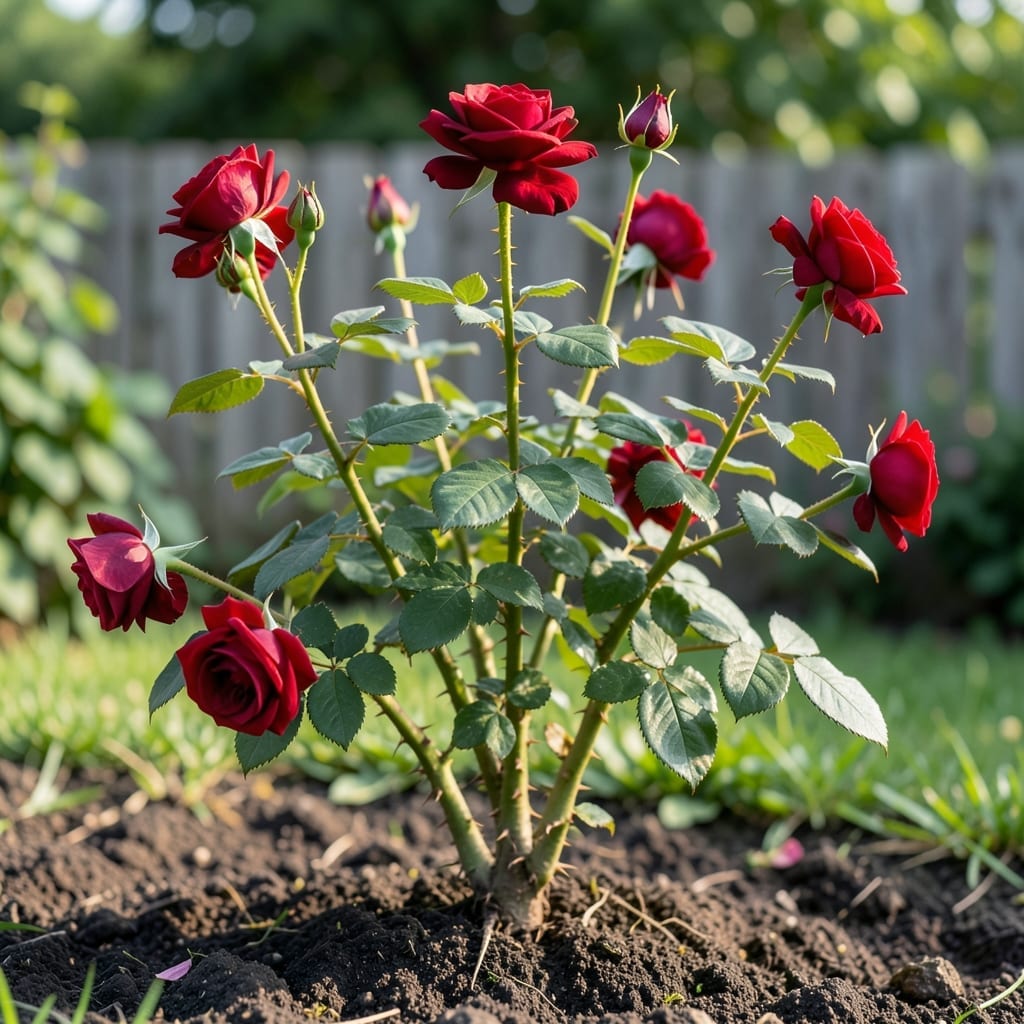
Roses are the crown jewels of any garden, but their blooming success hinges on one critical factor: sunlight. Get the light requirements wrong, and you might end up with weak stems or sparse flowers on your Rose Bush 🌹.
I’ve seen too many gardeners struggle with underperforming roses simply because they didn’t understand their light needs. The good news? With the right approach, you can transform your garden into a vibrant display.
Discover the ideal light conditions for thriving blooms and learn how to avoid common pitfalls that hold your roses back from their full potential.

Most rose bushes thrive with 6 to 8 hours of direct sunlight daily. This ensures strong stems, vibrant blooms, and healthy foliage. Without enough light, roses often grow leggy and produce fewer flowers.
Different rose types have slightly varying needs. Hybrid teas and grandifloras demand full sun, while some shrub roses tolerate a bit less. Even so, aim for at least 6 hours for best results.
If your roses get less than 6 hours, they may still grow but won’t perform at their peak. Watch for weak growth or fewer blooms—these are classic signs of insufficient light.
Morning sun is especially valuable because it dries dew from the leaves, reducing the risk of fungal diseases like black spot and powdery mildew. Position your roses where they get sun early in the day.
In hotter climates, some afternoon shade can actually benefit roses by protecting them from heat stress. However, in cooler regions, maximize sunlight exposure to encourage strong, healthy plants.
If you’re planting in containers, move them to follow the sun throughout the day. This ensures they get the full sun they need, even on a balcony or patio with limited space.
Remember, even shade-tolerant roses will bloom better with more light. The more sun they receive, the more spectacular your display will be. Don’t settle for mediocre growth when a sunnier spot could transform your garden.
Finally, observe your roses throughout the seasons. As the sun’s angle changes, you may need to prune nearby trees or adjust planting locations to maintain optimal light conditions.
☀️While rose bushes prefer full sun, some varieties can tolerate partial shade. These typically need at least 4 hours of sunlight daily to produce decent blooms and maintain health.
For gardeners with shadier spaces, shrub roses like ‘The Fairy’ or ‘Flower Carpet’ are excellent choices. These varieties are bred to perform well with less direct light than traditional roses.
Even shade-tolerant roses will produce more blooms and healthier growth with additional sunlight. In my experience, the difference between 4 and 6 hours of sun can be dramatic in both flower quantity and plant vigor.
For full shade areas, consider alternative plants. Roses simply aren’t suited to locations with no direct sunlight. Instead, try shade-loving perennials like hostas or astilbes for those dark corners.
If you must plant roses in partial shade, pay extra attention to air circulation and disease prevention. Shadier conditions create a more humid environment, which can encourage fungal problems.
Remember that sunlight patterns change with the seasons. A spot that gets 6 hours of sun in summer might receive significantly less in winter. Plan accordingly and be prepared to adjust as needed.
☀️