
Beautiful Plants For Your Interior
Beautiful Plants For Your Interior
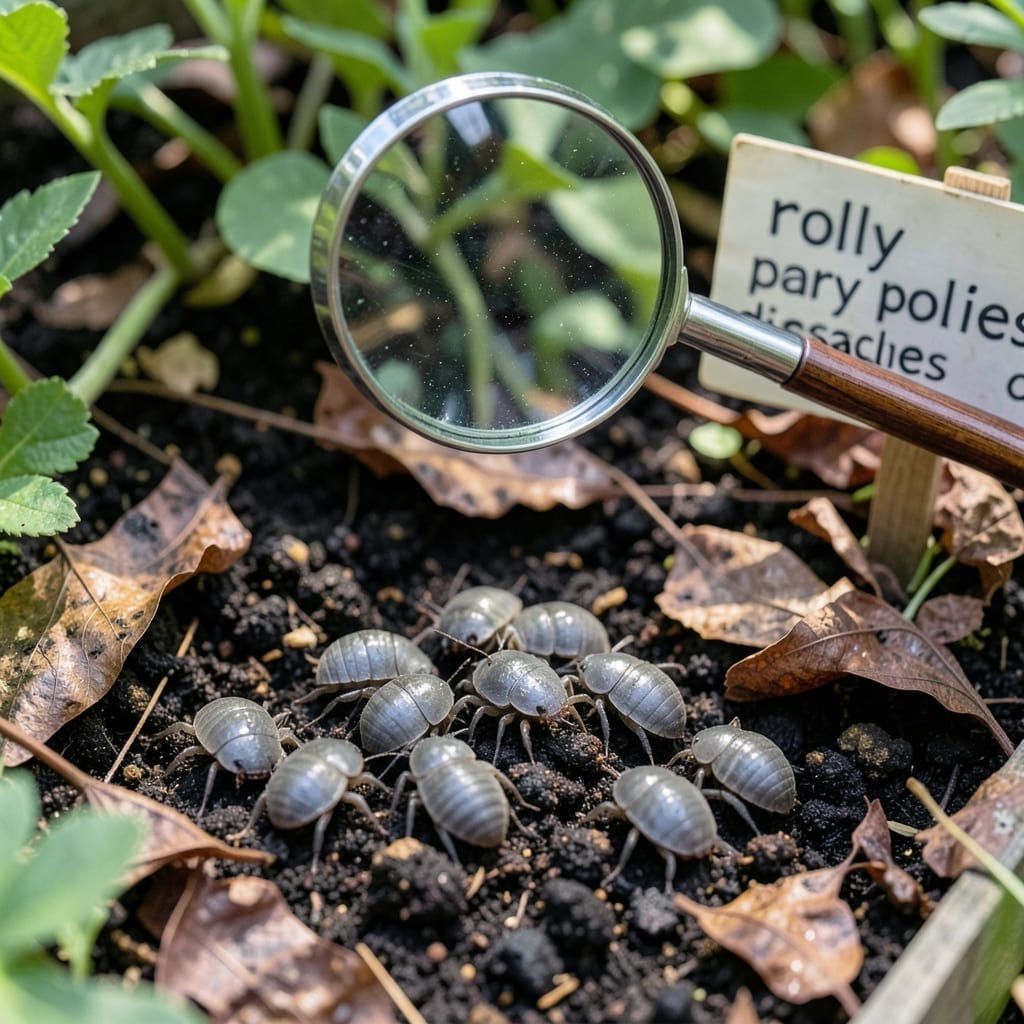
Rolly pollies, or pill bugs, do not carry human diseases. They are harmless decomposers that help break down organic matter in gardens and pose no direct health risks to people or plants.
As a gardener, I appreciate how these tiny creatures improve soil by recycling dead plant material into nutrients. Their unique biology—including a different immune system from disease-spreading insects—means they don’t host or spread pathogens. 🔥
This makes them valuable allies for organic pest control and soil health without any risk to you or your plants.
💡 In This Article
Rolly pollies belong to the crustacean family, sharing ancestors with shrimp and crabs rather than insects. Their immune systems are fundamentally different from disease-carrying pests like ticks or mosquitoes, which have evolved to host and transmit human pathogens.
These tiny creatures lack the biological mechanisms to harbor or spread viruses, bacteria, or parasites that affect humans.
As decomposers, pill bugs break down dead plant material with specialized digestive enzymes. They consume fallen leaves, rotting wood, and decaying vegetation, converting them into nutrient-rich compost. This process happens in their gut, where cellulose-digesting bacteria help break down organic matter efficiently. Their role is similar to earthworms but on a smaller scale.
Their exoskeletons and preference for moist, dark environments create a natural barrier against human contact. Rolly pollies avoid light and dry conditions, staying hidden under rocks, logs, or mulch during the day. This behavior minimizes any chance of interaction with people or pets.
Their diet consists solely of decomposing plant matter, not blood or living tissue.
Scientific studies confirm that pill bugs don’t carry Salmonella, E. coli, or other common human pathogens. Their digestive systems are optimized for breaking down tough plant fibers, not for hosting animal diseases. This makes them completely safe to handle, though their defensive curling behavior might startle some people.
In gardens, they contribute to soil aeration as they burrow through the top layers. Their movement helps loosen compacted soil while their waste adds valuable nutrients. A healthy population of 10-20 pill bugs per square foot indicates good soil quality. They’re often considered bioindicators of a thriving ecosystem. ✨
No, they’re completely harmless to handle. These crustaceans don’t bite, sting, or transmit any human diseases. Their only defense is curling into a ball.
Absolutely not. Since they only eat decomposing plant matter, they won’t spread pathogens to your crops. In fact, their presence improves soil health around vegetables.
Their biology is completely different from blood-feeding pests. As decomposers, their digestive systems process plant material, not animal pathogens. Their immune systems lack the ability to host human diseases.
While not toxic, it’s best to discourage pets from eating them. Large quantities might cause mild digestive upset. Most pets lose interest after the first taste of their bitter flavor.