
Beautiful Plants For Your Interior
Beautiful Plants For Your Interior
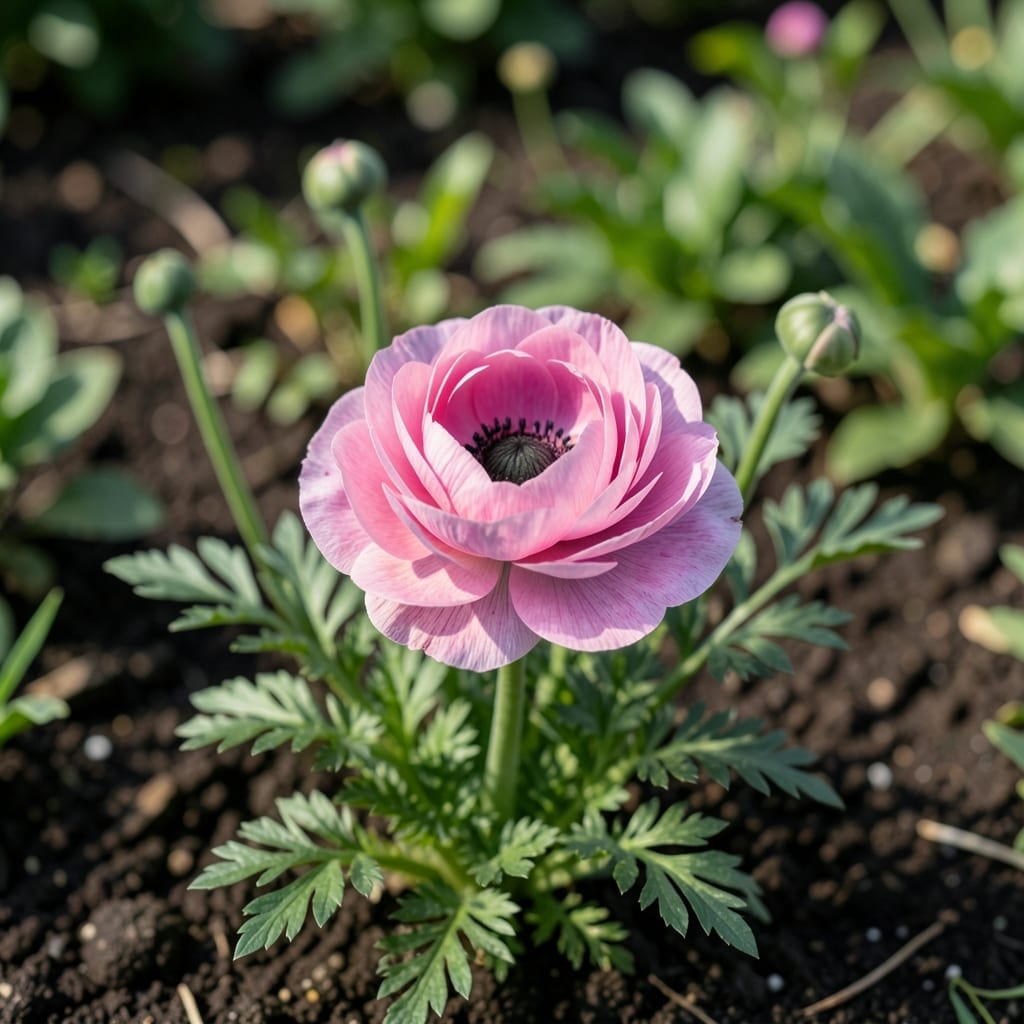
Ranunculus flowers dazzle with their layered, paper-thin petals, but their sunlight needs often puzzle gardeners. I’ve seen too many growers struggle when they assume these blooms thrive in full sun without considering their preferences.
Understanding whether 🌸 Ranunculus prefers bright light or partial shade can make or break your growing success. It’s not just about exposure—it’s about finding the right balance for vibrant, healthy blooms.
Discover how to adjust your approach for optimal growth, whether you’re planting in zone 6 or experimenting elsewhere. Let’s clear up the confusion once and for all.

I’ve found that ranunculus flowers truly thrive when they receive 6+ hours of direct sunlight daily. This makes them a classic full sun plant, but there’s more to the story than just exposure time.
In my experience, these blooms can handle partial shade, especially in hotter climates where intense afternoon sun might scorch their delicate petals. The key is balance.
| Requirement | Specification |
| Ideal Light | Full Sun (6+ hours) |
| Minimum Light | Partial Shade (4-6 hours) |
| Best Window | South-Facing |
| USDA Zones | 6-10 |
| Heat Tolerance | Moderate (needs afternoon shade in hot climates) |
In cooler USDA zones 6-7, I recommend giving them full sun to maximize growth. The extra warmth helps their tubers establish quickly in spring. But in zones 9-10, I’ve seen better results with afternoon shade protection.
I always suggest morning sun as the most beneficial. It’s less intense and helps dry dew from foliage, reducing disease risk. The 9 AM to 3 PM window is ideal for most regions.
If you’re growing in containers, remember that potted ranunculus can dry out faster in full sun. I check my containers daily during heatwaves and move them to shade if temperatures exceed 85°F.
For garden beds, I prepare the soil with extra organic matter to help retain moisture. Mulching around plants also helps maintain consistent soil temperature and moisture levels.
I’ve noticed that ranunculus in partial shade often produce slightly smaller blooms but last longer. In full sun, the flowers are larger but may fade faster in extreme heat.
If your garden only offers 4-6 hours of sunlight, don’t worry. I’ve successfully grown ranunculus in these conditions, though they may need an extra week or two to reach full bloom.
For the best results, I always soak tubers before planting and choose a spot with well-draining soil. This gives them the best start regardless of your light conditions.
Remember, the perfect spot balances sunlight exposure with protection from extreme heat. With the right care, your ranunculus will reward you with stunning, paper-like blooms all season long.☀️
I’ve learned that ranunculus plants show clear signs when they’re not getting enough sunlight. Look for leggy stems stretching toward the light, which is their way of reaching for more exposure.
Another red flag is fewer blooms than expected. I notice this often when my plants receive less than 4-6 hours of light daily. The flowers may also appear smaller or pale in color.
I’ve also seen slow growth in plants that don’t get enough light. If your ranunculus seems stunted compared to others, check its sunlight exposure first before assuming soil or water issues.
In my garden, I solve this by relocating plants to sunnier spots or using reflective mulch to maximize light. A simple adjustment can make a dramatic difference in just a few weeks.
For container-grown ranunculus, I rotate pots regularly to ensure even light distribution. This prevents the plants from growing lopsided as they stretch toward the light source.
Remember, morning sun is gentler and often more beneficial than harsh afternoon light. If you can’t provide full sun, prioritize those early daylight hours for best results.🌱