
Beautiful Plants For Your Interior
Beautiful Plants For Your Interior
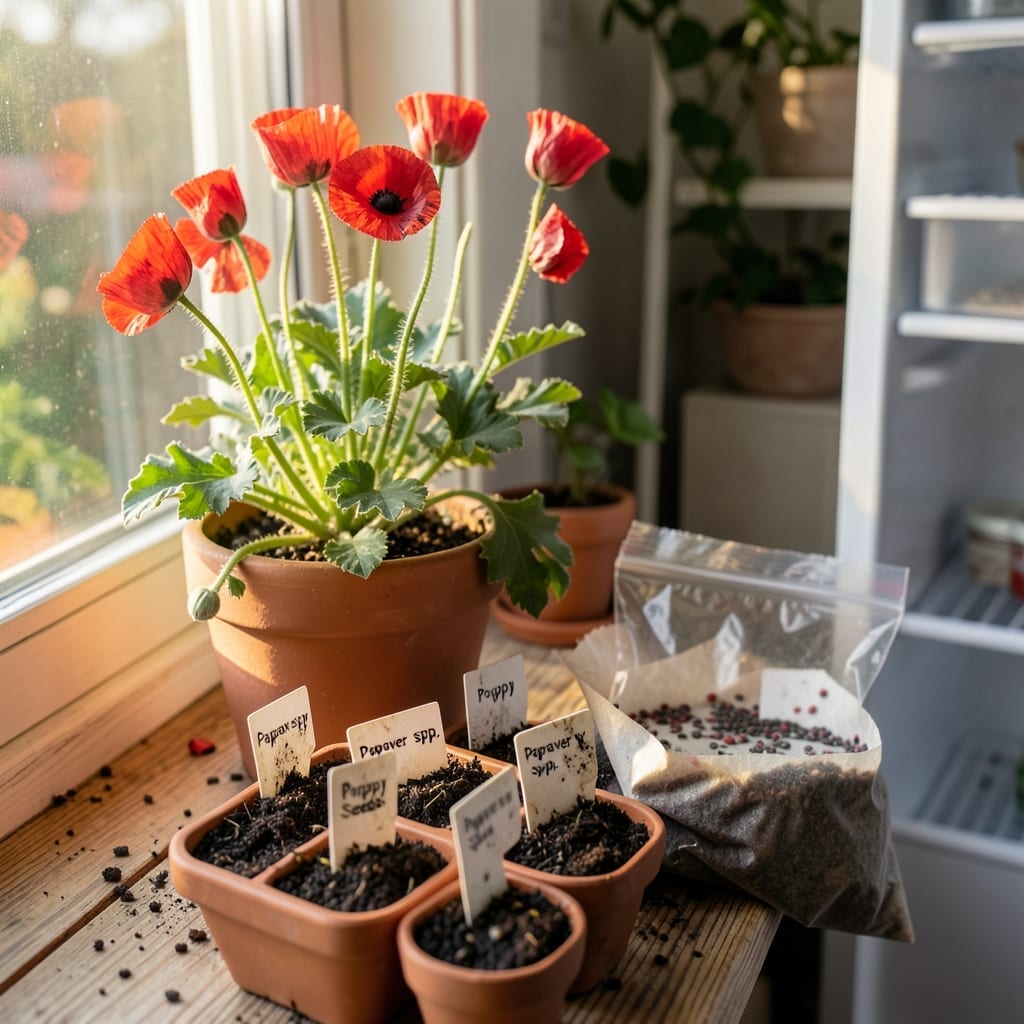
Struggling to get your Poppy 🌸 seeds to sprout? There’s a simple reason they might be ignoring your efforts. Cold stratification often holds the key to unlocking their potential.
This natural process mimics winter, breaking seed dormancy so your Poppy can thrive. Without it, even the most careful planting may fall flat.
Discover how a little pre-planting chill can transform your germination success. Let’s make those blooms happen.
If you’ve ever wondered why your poppy seeds refuse to germinate, the answer often lies in their natural dormancy. Cold stratification is a process that breaks this dormancy by exposing seeds to cold, moist conditions, mimicking winter.
This technique is essential for poppies because their seeds have a built-in mechanism to prevent premature sprouting. Without cold stratification, they may remain dormant, even in ideal growing conditions. 🌱
A natural process that tricks seeds into thinking winter has passed, signaling it’s safe to germinate. For poppies, this means 2-4 weeks of cold, moist treatment.
Poppy seeds, especially varieties like Iceland poppies and Oriental poppies, have a hard outer shell. This shell protects the seed but also prevents water absorption, which is critical for germination.
Cold stratification softens this shell, allowing moisture to penetrate and kickstarting the growth process. Think of it as nature’s way of ensuring seeds only sprout when conditions are favorable for survival.
In the wild, poppy seeds would naturally experience winter’s cold and moisture. When we plant them without this treatment, they often stay dormant, waiting for a signal that never comes. 🌿
For gardeners, this means we need to replicate winter conditions artificially. Whether you’re growing California poppies or opium poppies, cold stratification can dramatically improve your germination rates.
It’s not just about cold—moisture is equally important. Dry cold won’t trigger germination; the seeds need to be damp but not soggy during the stratification period.
This process is particularly crucial for perennials and biennials, which have evolved to survive harsh winters. Annual poppies may not always require it, but pre-chilling can still boost success.
By understanding and applying cold stratification, you’re giving your poppy seeds the best possible start. It’s a simple step that can make the difference between a barren patch and a vibrant, blooming garden. ✂️
Cold stratification is straightforward, but precision matters. For poppy seeds, aim for 2-4 weeks of cold treatment at 35-40°F. This mimics winter and signals seeds to break dormancy.
I always start by soaking seeds in lukewarm water for 12-24 hours to soften the outer shell. This preps them for better moisture absorption during stratification.
🌱 Cold Stratification Steps
For the refrigerator method, place damp seeds in a ziplock bag with a paper towel. Label with the date to track the 2-4 week period.
If you prefer outdoor sowing, plant seeds in fall for natural stratification. Winter’s cold and moisture will do the work, and sprouts appear in early spring.
Another easy method is the damp paper towel approach. Spread seeds on a moist towel, fold gently, and refrigerate. This keeps them consistently damp without drowning.
After stratification, plant seeds 1/8 inch deep in well-draining soil. Keep the soil moist but not soggy and place in bright, indirect light.
Within 7-14 days, you should see germination. If not, double-check your stratification timing and moisture levels. 🌿