
Beautiful Plants For Your Interior
Beautiful Plants For Your Interior
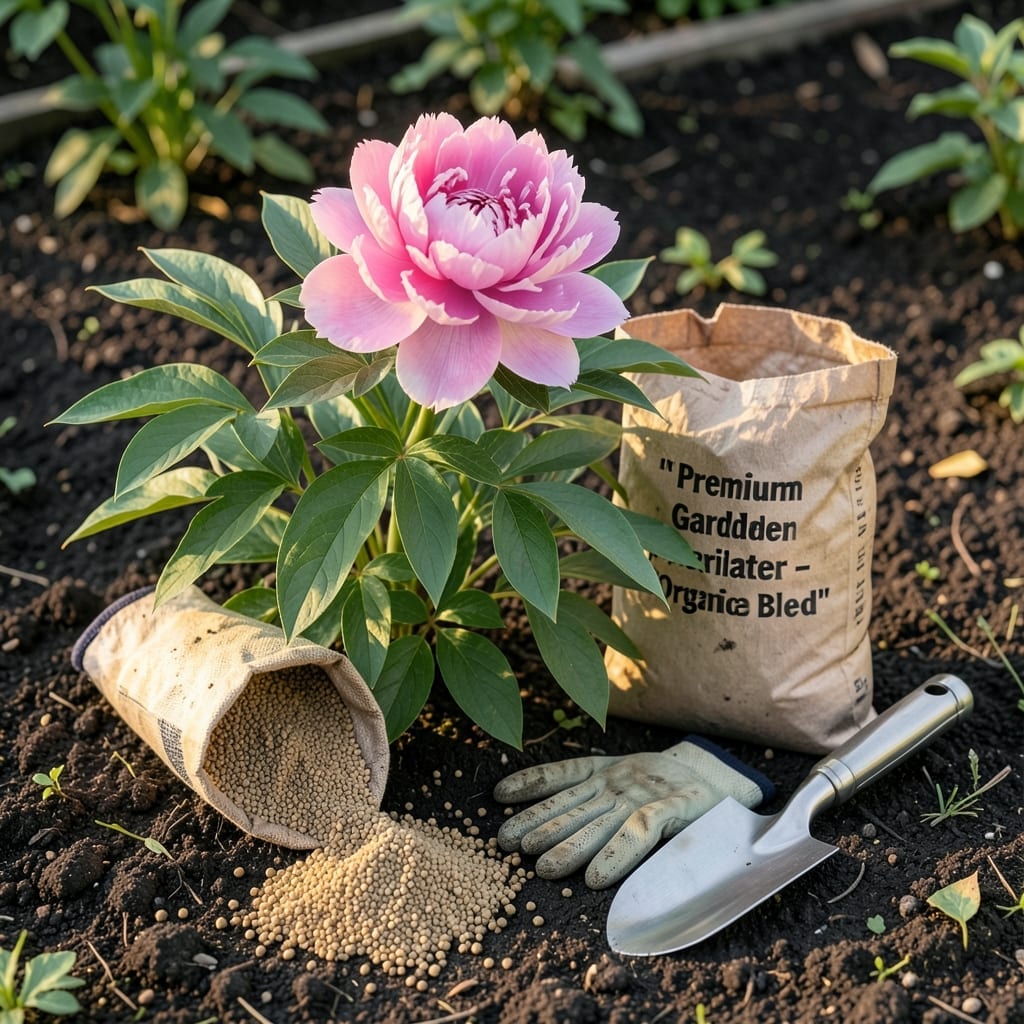
Peonies are famous for their stunning blooms, but do these hardy perennials need fertilizer to reach their full potential? The truth might surprise you.
As a gardener, I’ve learned that the answer depends on your soil quality and the age of your 🌸 Peony plants. Young plants and poor soil often benefit from a nutrient boost.
But it’s not just about adding any fertilizer—using the wrong type or too much can actually harm your plants. Discover how to strike the perfect balance.
I’ll walk you through the essentials, from choosing the right fertilizer to timing your applications for lush, vibrant blooms every season.
I often get asked whether peonies need fertilizer to produce their legendary blooms. The truth is, these perennials can survive without it, but they thrive with proper nutrition. It’s all about understanding your soil and plant needs.
In my experience, established peonies in rich soil may need little to no fertilizer, while newly planted ones often benefit from a nutrient boost. The key is knowing when and how to feed them for optimal growth and blooms.
| Requirement | Specification |
|---|---|
| Ideal NPK Ratio | 5-10-10 or similar |
| Application Frequency | 2-3 times per season |
| Best Application Time | Early spring and after blooming |
| Amount per Plant | 1/2 cup of fertilizer |
| Soil pH Preference | 6.5-7.0 (neutral) |
I always recommend testing your soil before adding any fertilizer. Peonies prefer neutral to slightly alkaline soil. If your soil is already nutrient-rich, you might not need to fertilize at all.
For new peony plants, a balanced fertilizer in the first year helps establish strong roots. I like to use a 5-10-10 formula which provides equal parts nitrogen, phosphorus, and potassium.
The phosphorus component is particularly important for flower production. If your peonies are producing lots of foliage but few blooms, it might be a sign they need more phosphorus in their diet.
I’ve found that early spring is the best time for the first application, just as new growth emerges. Then, a second application after blooming helps the plant store energy for next year’s flowers.
Avoid fertilizing in late summer or fall, as this can promote tender new growth that might be damaged by frost. I also recommend watering deeply after applying fertilizer to help it reach the roots.
Over-fertilizing can be just as harmful as not fertilizing at all. It can lead to weak stems and fewer blooms. Stick to the recommended amounts and always follow package instructions.
Remember, organic matter like compost can often provide enough nutrients for peonies. I like to add a 2-3 inch layer of compost around my peonies each spring as a natural fertilizer alternative. 🌸
Choosing the right fertilizer for peonies can make all the difference in bloom quality. I recommend a low-nitrogen, high-phosphorus formula like 5-10-10 to promote strong roots and vibrant flowers. Avoid high-nitrogen options, as they can lead to lush foliage but fewer blooms.
Timing is everything when feeding peonies. Apply your first dose in early spring as new growth emerges, then follow up with a light feeding after blooming to support next year’s flowers. Always water thoroughly after applying to prevent root burn.
For organic gardeners, bone meal is an excellent phosphorus source. I’ve found it particularly effective for established peony plants. Simply work 1-2 tablespoons into the soil around each plant in early spring and again in fall.
Compost is another great natural option. I spread a 1-inch layer around my peonies each spring. It not only provides nutrients but also improves soil structure. Just be sure to keep it a few inches away from the crown to prevent rot.
Remember, over-fertilizing can be worse than under-fertilizing. If your peonies are already thriving with vibrant blooms, they may not need supplemental feeding at all. Always start with a soil test to determine your plant’s actual needs.
Lastly, never fertilize dormant peonies in winter. The plants aren’t actively growing and can’t utilize the nutrients. Wait until you see new growth in spring before resuming your feeding schedule. ✂️