
Beautiful Plants For Your Interior
Beautiful Plants For Your Interior
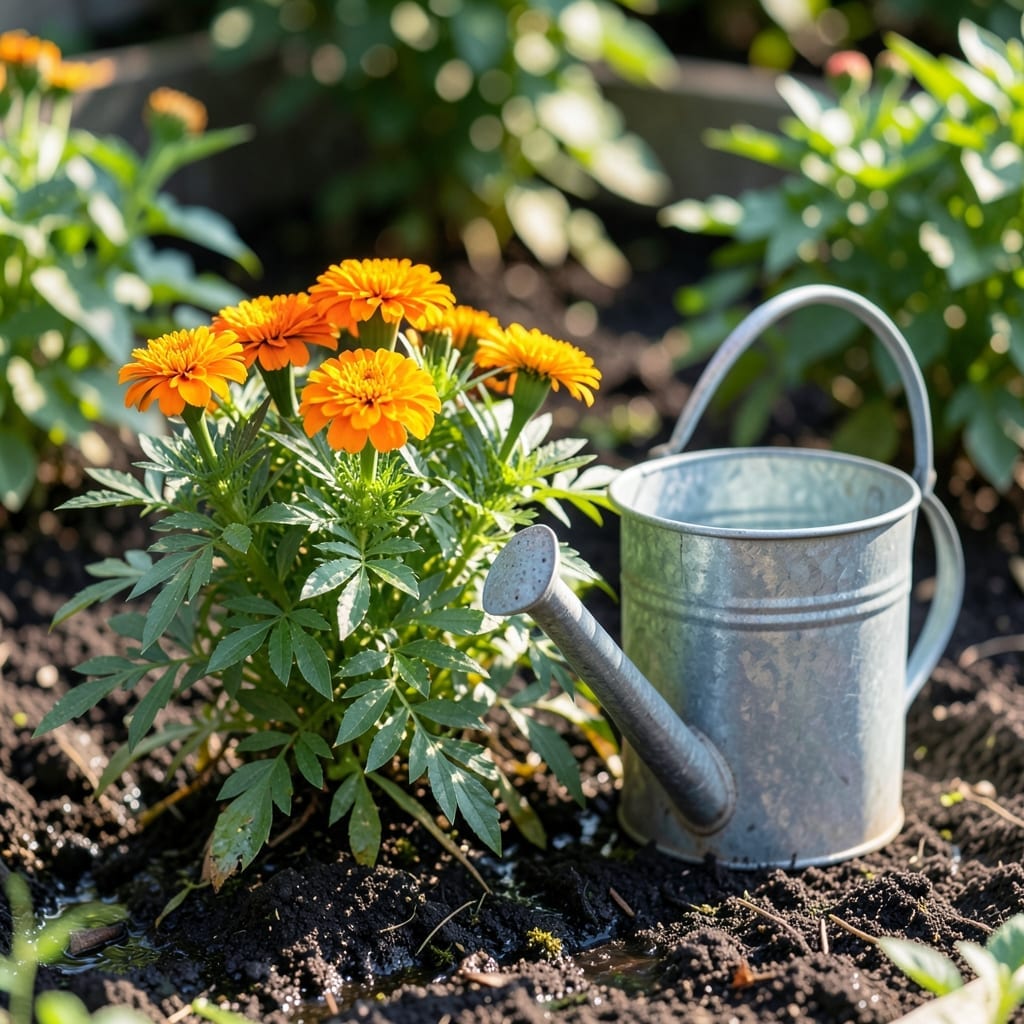
The 🌼 Marigold brings vibrant color and natural pest protection to gardens everywhere. Yet many gardeners struggle with how much water these cheerful flowers actually need.
I’ve seen firsthand how too much water can drown their roots, while too little leaves them wilting. The good news? Marigolds are more forgiving than you might think.
With the right approach, you can keep these resilient blooms thriving through spring and beyond. Let me show you the simple secrets to getting it just right.
Discover how to balance moisture for healthy Marigolds that flourish in zones 2-11 with minimal fuss.
I’ve found that marigolds are surprisingly low-maintenance when it comes to watering needs. These vibrant flowers thrive with minimal hydration once established.
In my garden, I water marigolds deeply but infrequently, allowing the soil to dry slightly between waterings. This approach encourages strong root development and prevents waterlogged conditions.
| Requirement | Specification |
|---|---|
| Weekly Water Amount | 1 inch per week |
| Watering Frequency | Every 7-10 days |
| Best Time to Water | Early morning |
| Soil Condition | Well-draining |
| Climate Adjustment | More in heat |
I always check the top inch of soil before watering. If it feels dry, it’s time to hydrate. This simple test helps avoid overwatering, which can lead to root rot in marigolds.
During hot summer months, I increase watering to every 5-7 days. The intense heat causes soil moisture to evaporate faster, so plants need extra attention.
For container-grown marigolds, watering frequency changes. I water my potted marigolds every 5-7 days because containers dry out more quickly than garden beds.
I’ve noticed that drought-tolerant marigolds can handle brief dry periods. However, consistent moisture during the blooming phase ensures the most vibrant flowers.
In sandy soil, water drains quickly, so I water more often. In clay soil, I water less frequently but ensure the soil doesn’t stay soggy.
I always use mulch around my marigolds to retain moisture and reduce evaporation. A 2-3 inch layer of organic mulch works wonders for maintaining consistent hydration.
Finally, I avoid overhead watering to prevent foliar diseases. Instead, I water at the base of the plant to keep the leaves dry and healthy.☀️
Marigolds are drought-tolerant flowers that thrive with consistent moisture without being waterlogged. I’ve found they do best with deep, infrequent watering to encourage strong root growth. Morning is the ideal time to water, as it reduces evaporation and fungal risks. 🌼
To keep your marigolds happy, aim for 1 inch of water per week, adjusting based on rainfall and soil drainage. Well-draining soil is key—soggy roots lead to rot. If your soil retains moisture well, you can stretch intervals to every 10-14 days for in-ground plants. 🌱
For potted marigolds, check soil daily in hot climates, as containers dry out faster. I water mine every 5-7 days in summer, but always test the soil first. If the top inch feels dry, it’s time to water. This simple check prevents both underwatering and overwatering. ☀️
In dry spells, increase watering to every 5-7 days, but reduce frequency in cooler months. Marigolds in clay soil may need less frequent watering than those in sandy soil, which drains quickly. Adjust based on your garden’s conditions. 💧
If you notice wilting leaves or yellowing foliage, it’s often a sign of overwatering. Cut back and let the soil dry out. Conversely, drooping blooms may signal thirst—give them a deep drink. Observing your plants helps fine-tune your approach. 🌿
Finally, remember that established marigolds can handle short dry periods better than young plants. Focus on consistent care early on, and your marigolds will reward you with vibrant, long-lasting blooms. With these tips, you’ll master their watering needs in no time. 🌻