
Beautiful Plants For Your Interior
Beautiful Plants For Your Interior
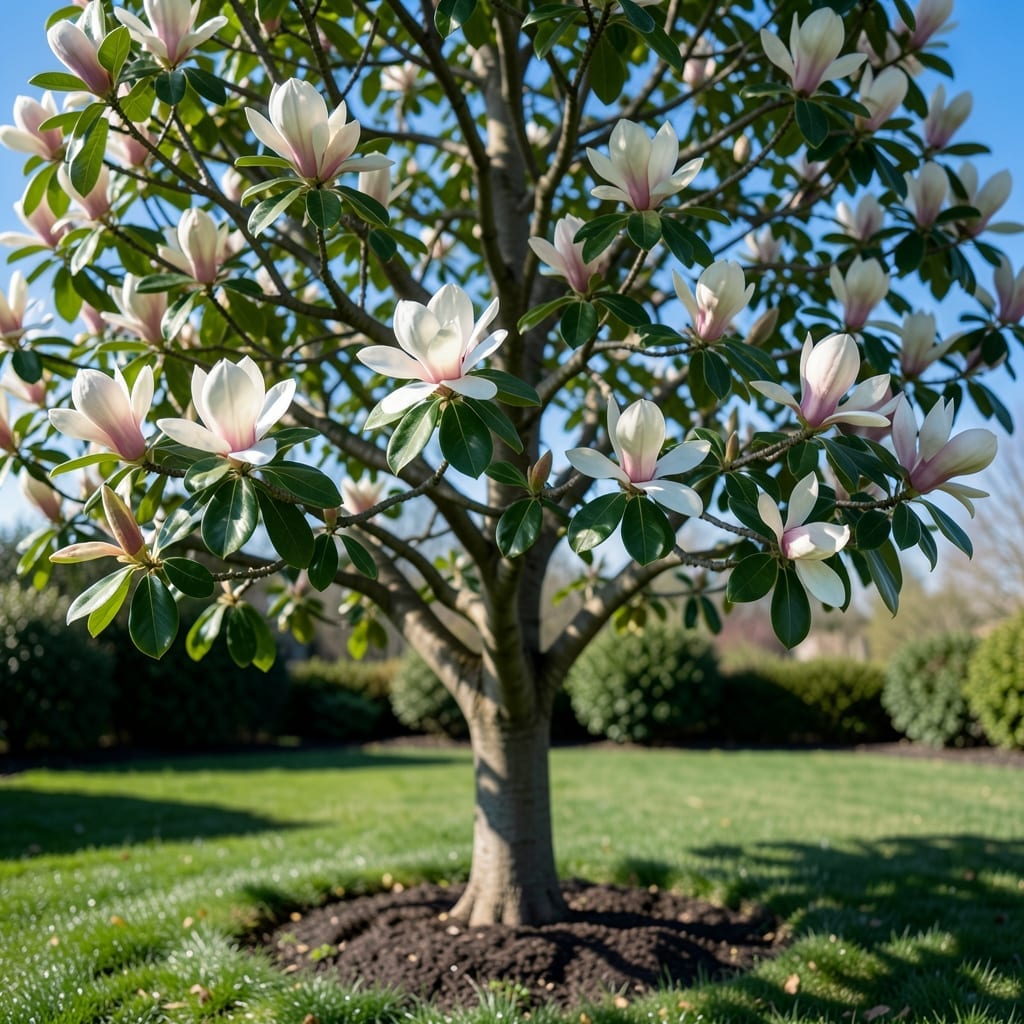
I’ve seen too many gardeners plant their 🌳 Magnolia Tree in the wrong spot, only to wonder why it never blooms as expected. Sunlight is often the culprit, but the answer isn’t as simple as you might think.
These stunning trees thrive in a range of conditions, but getting the light balance right makes all the difference. Whether you’re in zone 4-9 or just starting your gardening journey, understanding their needs is the key to success.
You might be surprised to learn that full sun isn’t always mandatory. Some varieties do beautifully with partial shade, especially in hotter climates. Let me break down what works best.
By the end, you’ll know exactly where to plant your Magnolia Tree for those gorgeous blooms you’ve been dreaming of. Discover how to create the perfect environment for your tree to flourish.

I often get asked whether magnolia trees truly require full sun to thrive. The short answer is: it depends on the variety. Most magnolias perform best with 6+ hours of direct sunlight daily, but some tolerate partial shade. ☀️
For example, Southern Magnolias love full sun and will reward you with glossy foliage and abundant blooms. However, Saucer Magnolias can handle morning sun and afternoon shade, especially in hotter climates. 🌳
| Variety | Ideal Sun Exposure | Notes |
|---|---|---|
| Southern Magnolia | Full sun | Needs 6-8 hours of direct sun |
| Saucer Magnolia | Partial sun | Tolerates morning sun and shade |
| Star Magnolia | Partial shade | Prefers dappled sunlight |
In my experience, full sun exposure promotes the most vibrant blooms. However, in USDA zones 8-9, afternoon shade can prevent leaf scorch on young trees. Always consider your local climate when planting. 🌡️
If you’re planting a magnolia in full sun, ensure the soil stays consistently moist during the first year. Newly planted trees need extra attention to establish their root systems. I recommend mulching heavily to retain moisture. 💧
Partial shade varieties like the Jane Magnolia are perfect for gardens with dappled sunlight. These trees still produce stunning pink-purple blooms without requiring constant sun exposure. 🌷
For optimal growth, I suggest observing your garden’s sunlight patterns before planting. A simple test with a sunlight calculator can help determine the best spot for your magnolia. This small step can make a big difference in your tree’s long-term health. ✂️
Remember that container-grown magnolias may need more frequent watering in full sun. The limited root space means they dry out faster. I’ve found that dwarf varieties like Little Gem do well in containers with proper care. 🪴
Lastly, don’t forget that soil quality impacts sun tolerance. Magnolias prefer slightly acidic, well-draining soil. If your soil is poor, even full sun won’t help your tree reach its full potential. A soil test before planting is always a good idea. 🌱
Most magnolia varieties thrive with 6+ hours of direct sunlight daily. However, their needs vary significantly by type, making it essential to match each species to its ideal light exposure for optimal blooms and health.
For instance, Southern Magnolias prefer full sun but can tolerate partial shade. In contrast, Saucer Magnolias often bloom better with some afternoon shade, especially in hotter climates.
| Magnolia Type | Sunlight Needs | Shade Tolerance |
| Southern Magnolia | Full Sun | Moderate |
| Saucer Magnolia | Partial Sun | High |
| Star Magnolia | Partial to Full Sun | Moderate |
| Sweetbay Magnolia | Partial Shade | High |
I’ve found that deciduous magnolias like Saucer Magnolias often benefit from afternoon shade in USDA zones 7-9, where intense heat can scorch their delicate petals. This prevents premature wilting.
Evergreen magnolias, such as Southern Magnolias, generally handle full sun well but appreciate dappled shade in the hottest part of the day to conserve moisture and reduce stress.
If your garden has limited sunlight, consider Sweetbay Magnolias. These adapt well to partial shade and still produce fragrant blooms, though they may be less abundant than in sunnier spots.
For best results, observe your microclimate and adjust planting locations accordingly. Even sun-loving magnolias can struggle in reflected heat from pavement or walls, so strategic placement is key.☀️