
Beautiful Plants For Your Interior
Beautiful Plants For Your Interior
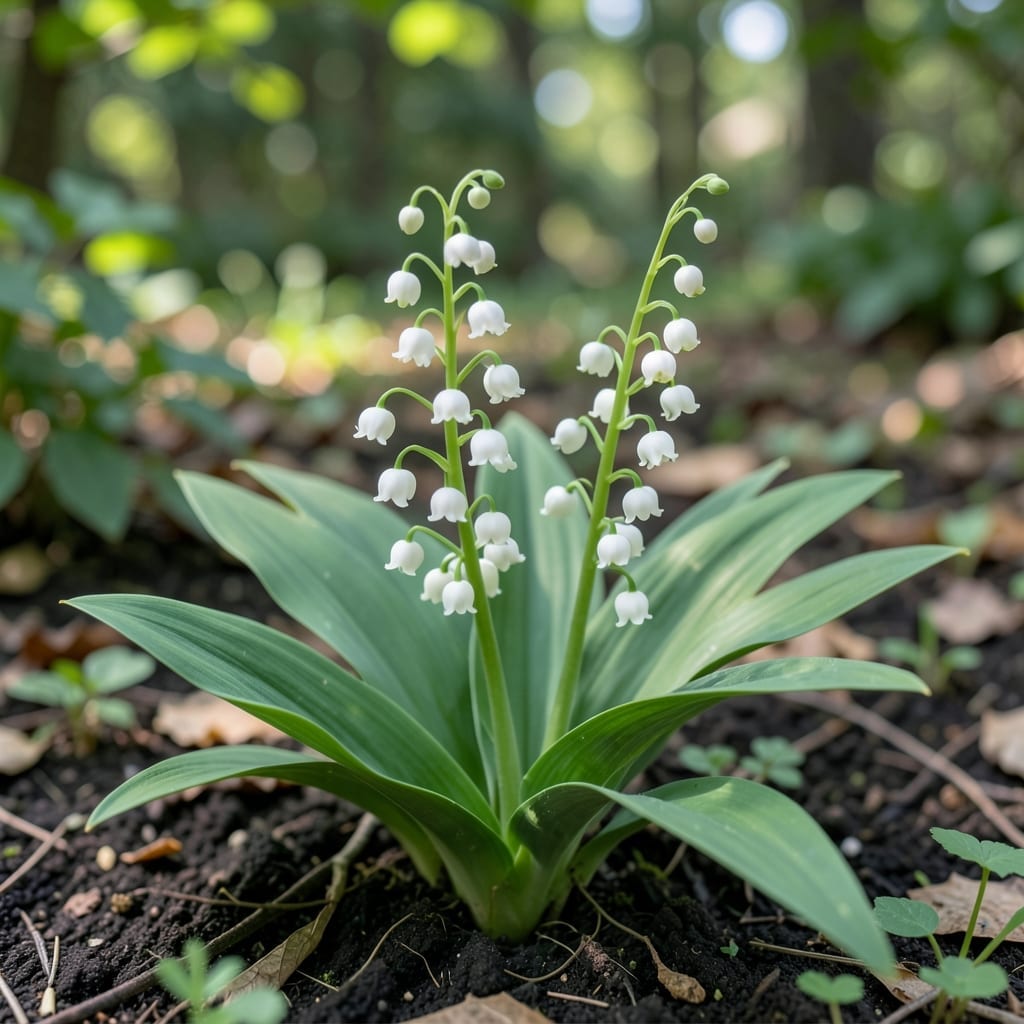
There’s something magical about the Lily Of The Valley 🌸 with its delicate bell-shaped blooms and intoxicating fragrance. But here’s the thing: even the most beautiful plants can struggle if they’re not in the right light conditions.
I’ve seen too many gardeners waste time and effort by assuming all flowers need full sun. With this charming perennial, that couldn’t be further from the truth. The key to vibrant blooms lies in understanding its natural preferences.
You’ll be surprised by how easier it is to grow these plants once you get the lighting right. Whether you’re working with a sunny backyard or a shady corner, there’s a way to make it work.
Discover the ideal balance that will have your Lily Of The Valley thriving in zones 4-8. Let me show you exactly what these plants crave for their best performance.
 Best Window Placement
If you’ve ever admired Lily of the Valley in a forest setting, you’ve seen it thriving in its natural habitat. These plants evolved under dappled shade in woodland areas, which gives us our first clue about their preferences.
In your garden, partial to full shade is ideal for these perennials. They’ll reward you with lush foliage and abundant bell-shaped blooms when protected from harsh afternoon sun.☀️
| Requirement | Specification |
|---|---|
| Ideal Light | Partial to Full Shade |
| Sun Tolerance | Morning Sun Only |
| Shade Type | Dappled or Full |
| Daily Sun Max | 2-4 Hours |
| Best Window | North-Facing |
I’ve found that morning sunlight is actually beneficial for Lily of the Valley. A few hours of gentle morning rays can enhance flowering without causing stress to the plants.
However, afternoon sun is a different story. The intense heat and direct light during these hours can scorch the leaves and lead to premature wilting of those beautiful blooms.
In my experience, the best locations are under tall trees or along the north side of buildings. These spots provide the perfect balance of light and shade throughout the day.
If you’re growing in containers, rotate your pots to ensure even light distribution. This prevents the plants from leaning toward the light source and promotes balanced growth.🌱
Remember that soil moisture is closely tied to light conditions. In shadier spots, you’ll need to be extra careful about overwatering, as the soil will stay moist longer.
For those in warmer climates (USDA zones 7-8), full shade is almost always necessary. The combination of heat and sun can be too much for these cool-weather lovers.
In cooler zones (4-6), you can push the limits slightly with more morning sun. But always monitor your plants for signs of stress like yellowing leaves or brown edges.🌿
I’ve found that Lily of the Valley thrives best with gentle light management. These plants naturally prefer partial to full shade, but they can adapt to brighter spots with careful planning.
In my garden, I use companion planting to create dappled shade. Taller plants like hostas or ferns provide perfect filtered light for these delicate perennials.
I always recommend morning sunlight over afternoon rays. The cooler morning light encourages blooming without stressing the plants. Afternoon sun can scorch their delicate foliage.
For gardens with limited shade, try planting on the north side of structures. This mimics their natural woodland habitat where they grow under tree canopies.
Remember that soil moisture and light work together. In shadier spots, I check soil more often as it stays damp longer. In sunnier areas, I water more frequently.
With these adjustments, you’ll see healthier growth and more abundant blooms. The key is observing your plants and adjusting as needed throughout the season 🌿