
Beautiful Plants For Your Interior
Beautiful Plants For Your Interior
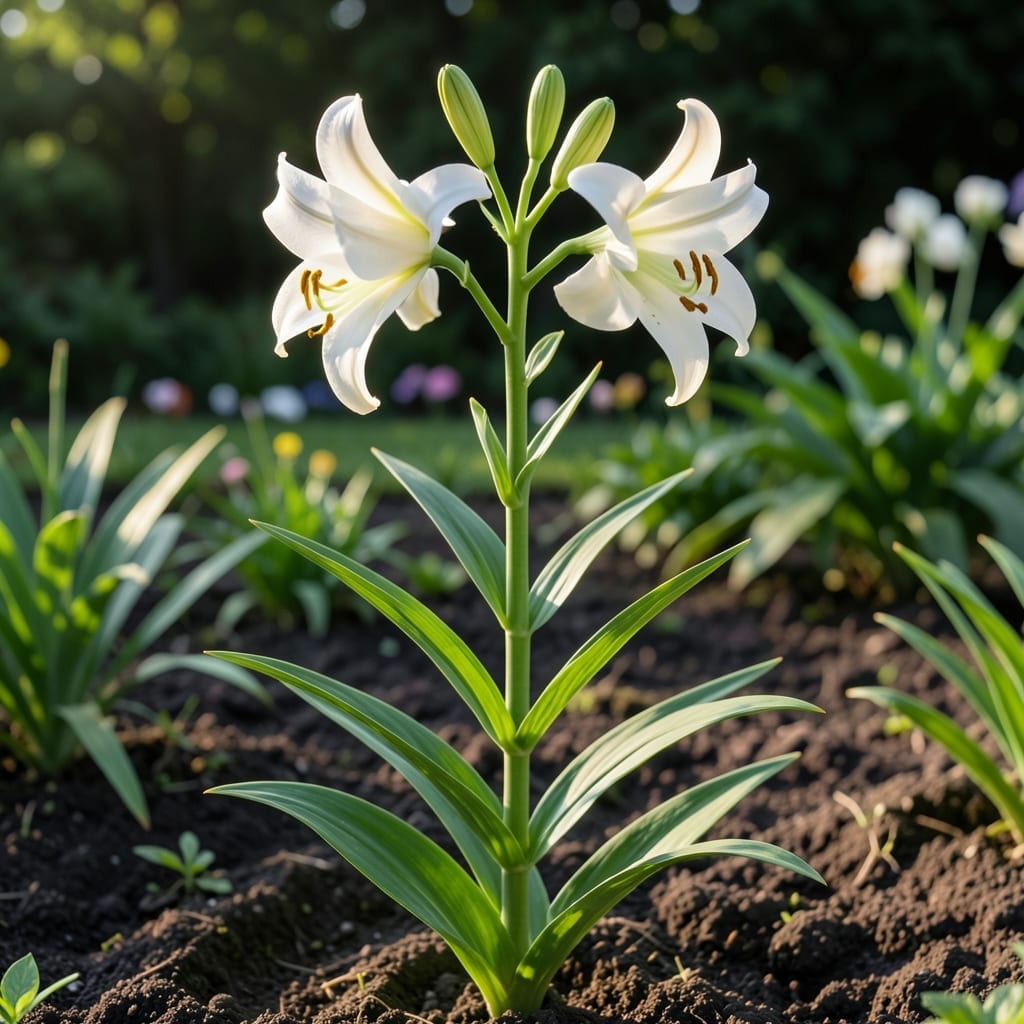
Lilies are a garden favorite, but their light requirements can be confusing. Do these stunning 🌷 blooms truly need full sunlight, or can they thrive in partial shade?
I’ve seen many gardeners struggle with this question, watching their Lilies underperform when not placed in the right conditions. The answer might surprise you.
Discover the ideal light conditions for Lilies and how to ensure your plants produce those gorgeous blooms you’re dreaming of. Let’s clear up the confusion.

Most lily varieties thrive with 6+ hours of direct sunlight daily, but there’s more to the story. Asiatic lilies and Oriental hybrids perform best in full sun, producing stronger stems and more vibrant blooms.
However, some Trumpet lilies and Martagon types can tolerate partial shade, especially in hotter climates. The key is understanding that more sunlight generally means more flowers and healthier plants. ☀️
| Lily Variety | Sunlight Needs | Bloom Impact |
|---|---|---|
| Asiatic | Full sun (6+ hours) | Maximum blooms, strong stems |
| Oriental | Full to partial sun | Large, fragrant flowers |
| Trumpet | Full sun preferred | Tall stems, abundant blooms |
| Martagon | Partial shade tolerant | Unique downward-facing flowers |
I’ve found that morning sun is particularly beneficial for lilies. It provides the intense light they need for photosynthesis while avoiding the harsh afternoon heat that can scorch petals in some regions.
In my garden, I position lily beds where they receive eastern exposure. This gives them gentle morning light and protection from the intense west-facing sun that can be too strong in summer.
For gardeners in hot climates, providing some afternoon shade can actually extend the blooming period. I’ve seen Oriental lilies last nearly twice as long when shielded from the hottest part of the day.
Soil moisture plays a role too. Lilies in full sun need consistent watering, as they’ll dry out faster. I recommend a 2-3 inch layer of organic mulch to retain moisture.
The height of your lilies also affects their light needs. Taller varieties like Trumpet lilies often require more sun to support their sturdy stems, while shorter types may do well with slightly less light.
Remember that newly planted bulbs are more sensitive. I always give them extra protection from intense sun in their first year as they establish their root systems. 🌱
If you’re unsure about your garden’s light conditions, try this: Place a sunlight calculator or simply observe how shadows move across your garden. 6+ hours of direct light is the sweet spot for most lilies.
While most lilies prefer full sun, I’ve successfully grown beautiful blooms in partial shade by choosing the right varieties. Martagon lilies and some Oriental hybrids adapt well to shadier spots with 4-6 hours of sunlight. ☀️
In my experience, dappled shade from trees works wonders. The key is ensuring they still get bright indirect light for much of the day. This mimics their natural woodland habitats.
I’ve found that eastern-facing beds are ideal for partial shade lilies. They get gentle morning sun but are protected from the intense afternoon heat that can stress plants.
For gardeners with limited sunlight, try planting lilies near reflective surfaces like white fences or light-colored walls. This can maximize available light and improve blooming.
Container growing offers flexibility. I move my potted lilies to follow the sun’s path, giving them optimal light exposure throughout the day. This works especially well on patios.
Remember that shade-tolerant lilies may produce fewer blooms than their sun-loving cousins, but they’ll often have longer-lasting flowers and require less maintenance. 🌷