
Beautiful Plants For Your Interior
Beautiful Plants For Your Interior
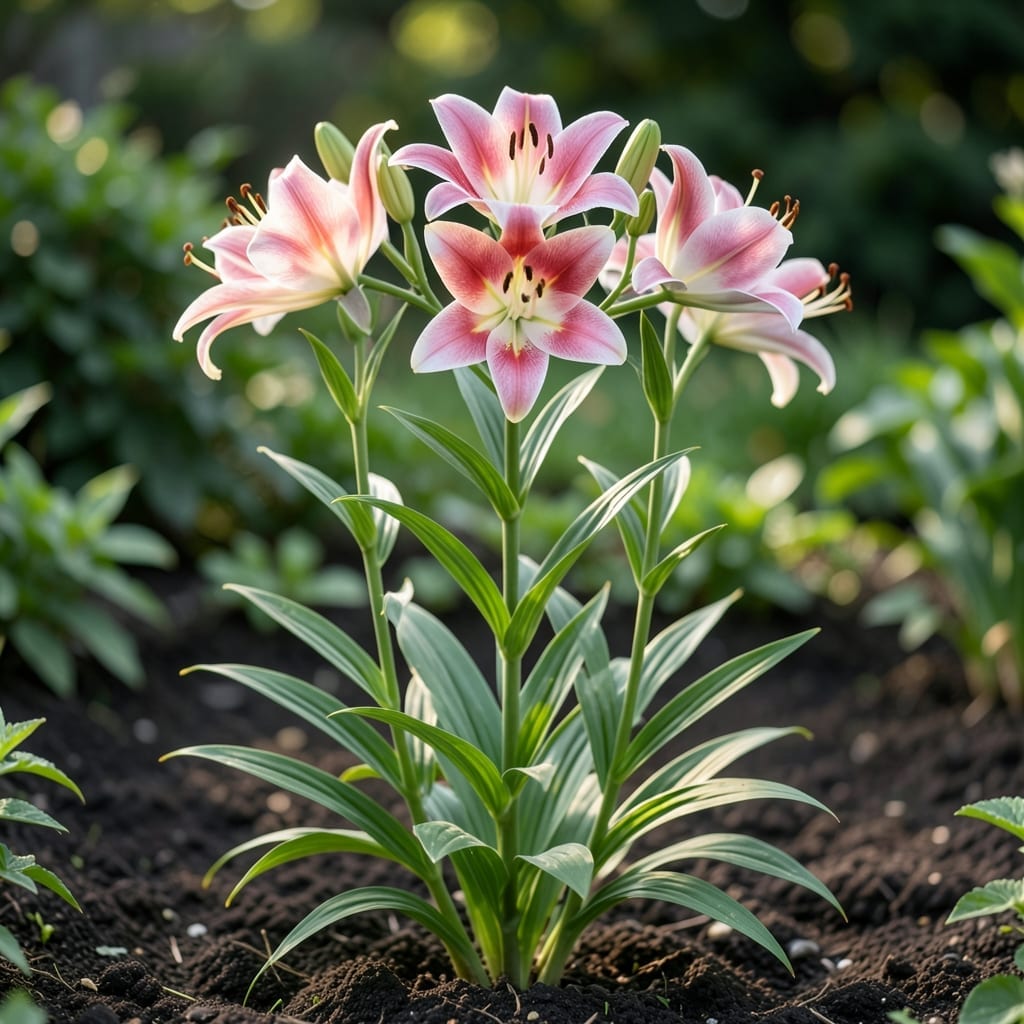
Lilies are a gardener’s favorite for their stunning blooms, but their light requirements often spark confusion. Do these elegant 🌷 plants thrive in full sun, or do they prefer a bit of shade?
I’ve seen too many gardeners struggle with wilting or weak-stemmed Lilies because they got the light conditions wrong. The truth is, most varieties have specific needs that can make or break their performance.
Whether you’re planting Asiatic, Oriental, or Trumpet types, understanding their ideal light exposure is the key to vibrant, long-lasting flowers. And yes, there are differences between them.
Let me walk you through what works best so you can enjoy those gorgeous blooms all season long without the guesswork.

If you’ve ever admired a lily in full bloom, you know how vibrant and show-stopping they can be. To achieve that stunning display, most lilies do need plenty of sunlight to thrive.
In my experience, 6+ hours of direct sun daily is the sweet spot for Asiatic and Trumpet lilies. This ensures strong stems and abundant blooms, though some varieties can tolerate less.
| Requirement | Specification |
|---|---|
| Sunlight | 6+ hours daily |
| Ideal Varieties | Asiatic, Trumpet |
| Soil | Well-draining |
| Watering | 1-2 inches weekly |
| Bloom Season | Summer |
I’ve found that Oriental lilies also love full sun but appreciate some afternoon shade in hotter climates. Without enough light, they may produce fewer flowers or weaker stems.
Martagon lilies, however, are the exception. They prefer partial shade and can even thrive under tall trees or in woodland gardens.
For the best results, I always plant bulbs in a spot with good drainage and full morning sun. This combination helps prevent rot while ensuring healthy growth.
If your garden gets intense midday heat, consider mulching around the base to retain moisture and protect roots. This small step can make a big difference in bloom quality.
I also recommend staking taller varieties if they’re exposed to strong winds. Full sun often means more wind exposure, which can damage stems if not supported.
Remember, soil quality matters just as much as sunlight. Lilies prefer loamy, fertile soil with a slightly acidic pH. A soil test can help you adjust conditions for optimal growth.
Finally, regular deadheading encourages more blooms. Remove spent flowers but leave the foliage until it yellows naturally. This helps the bulb store energy for next year’s display. ☀️
Not all lilies have the same light needs. Some thrive in full sun, while others prefer partial shade. Knowing which is which can save you a lot of frustration.
I’ve found that Asiatic lilies and Trumpet lilies absolutely love basking in 6+ hours of sun. They reward you with bold colors and strong stems. On the other hand, Martagon lilies do better with a bit of afternoon shade.☀️
| Variety | Ideal Light | Bloom Quality |
|---|---|---|
| Asiatic | Full Sun | Vibrant, upward-facing |
| Trumpet | Full Sun | Fragrant, large blooms |
| Martagon | Partial Shade | Delicate, downward-facing |
If you’re planting in a sun-drenched spot, stick with Asiatic or Trumpet lilies. They’ll give you the most dramatic display with minimal fuss. Just make sure the soil stays well-drained to avoid bulb rot.
For shadier gardens, Martagon lilies are your best bet. They’re more tolerant of dappled light and can even thrive under tall trees. Their unique, turk’s cap blooms add a touch of whimsy to any space.
I always recommend testing your garden’s light before planting. Use a sunlight calculator app or simply observe how the sun moves across your yard. This small step can make a huge difference in your lilies’ success.🌷
And remember, even full-sun lilies appreciate a little afternoon shade in the hottest climates. It’s all about finding the right balance for your specific growing conditions.