
Beautiful Plants For Your Interior
Beautiful Plants For Your Interior
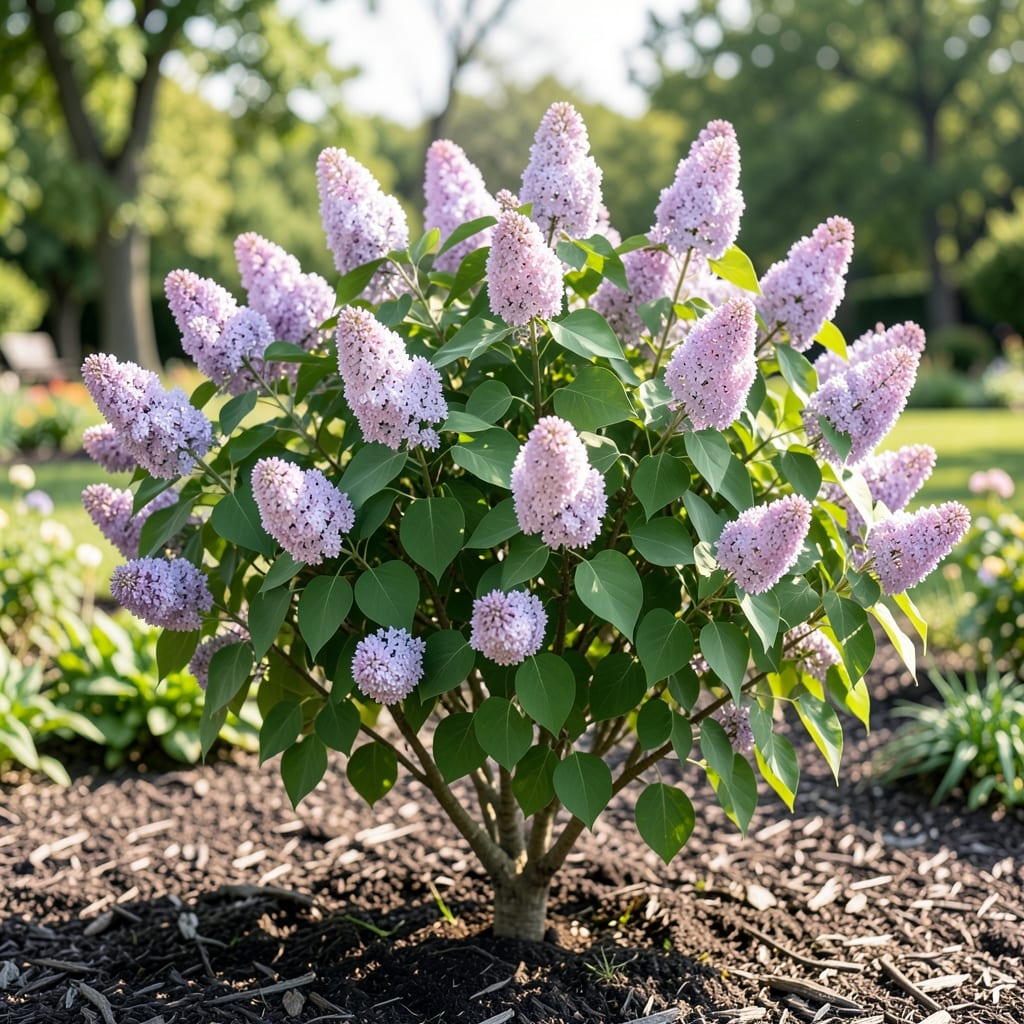
Lilacs are deciduous shrubs, so they naturally shed all their leaves in fall and remain bare through winter. New foliage returns each spring.
This seasonal leaf drop is a natural survival strategy, allowing lilacs to conserve energy during colder months when sunlight and water are scarce. 🌿 I’ve noticed that healthy shrubs enter dormancy with vibrant fall colors before shedding, which signals their preparation for winter rest. The bare branches you see in January aren’t a sign of trouble—they’re proof your lilac is following its natural growth cycle.
💡 In This Article
Lilacs undergo a biological process called abscission in autumn. As daylight shortens and temperatures drop, the plant produces less chlorophyll, revealing hidden pigments like carotenoids and anthocyanins. These create stunning fall colors in shades of gold, purple, and burgundy before leaves detach. 🔥
A layer of cells called the abscission zone forms at the base of each leaf stem. This layer weakens the connection between leaf and branch, allowing the leaf to fall with minimal damage to the shrub.
The process is triggered by hormonal changes—primarily a decrease in auxin and an increase in ethylene, the “ripening hormone” that also signals leaf drop in other deciduous plants.
This seasonal leaf loss serves a critical survival purpose. By shedding leaves, lilacs reduce water loss through transpiration during cold months when soil water may be frozen. The plant enters dormancy, conserving energy and resources in its roots and stems. This is why you’ll see completely bare branches by late fall, even on healthy specimens.
Unlike evergreens that retain needle-like leaves year-round, lilacs evolved this deciduous strategy to thrive in temperate climates. The energy saved during winter dormancy fuels explosive new growth when spring temperatures rise above 40°F. You’ll typically see the first green buds swelling on branches by early March in most growing zones. ✨
What’s fascinating is how precisely timed this process is. Lilacs often begin their leaf drop within 2-3 weeks of the first frost, with the entire shrub usually bare by late November. The timing varies slightly by cultivar, with common purple lilacs (Syringa vulgaris) often shedding earlier than dwarf varieties like Syringa meyeri. 💫
Yes, this is perfectly normal! Lilacs are deciduous, so they shed all leaves in fall and stay bare through winter. Healthy shrubs will show plump buds on branches by late winter.
Leaf drop timing varies by cultivar and microclimate. Common purple lilacs often shed earlier than dwarf varieties. Sheltered locations may retain leaves 1-2 weeks longer than exposed ones.
Dormancy causes uniform leaf drop in fall with healthy-looking branches. Disease shows as premature leaf loss, blackened stems, or oozing sap. Check for plump buds to confirm healthy dormancy.
A thin layer of leaves can act as natural mulch, but remove thick piles to prevent mold. Always clear leaves if they show signs of disease to avoid spreading spores.