
Beautiful Plants For Your Interior
Beautiful Plants For Your Interior
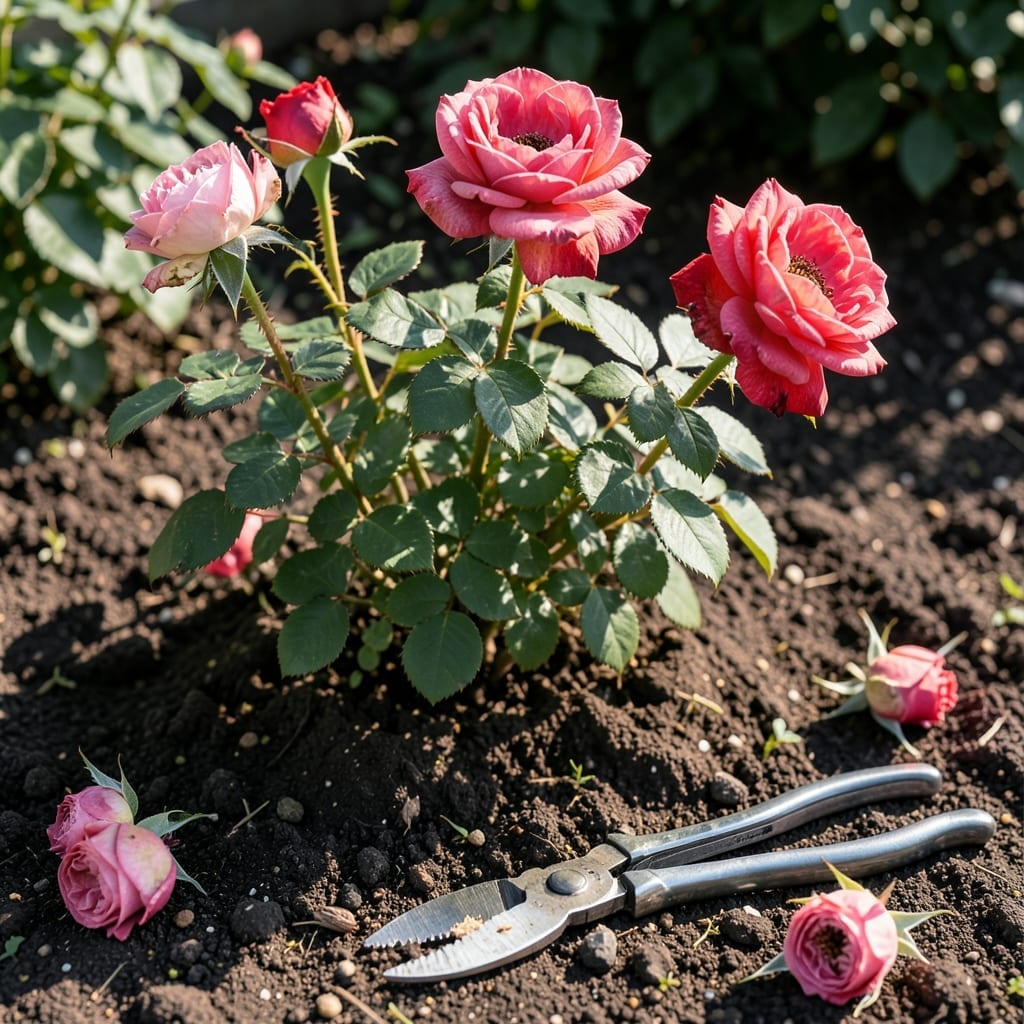
Knockout roses are beloved for their low-maintenance nature and vibrant, continuous blooms—but do they really need deadheading to thrive? The answer might surprise even seasoned gardeners.
I’ve grown 🌹 Knockout Roses for years, and what I’ve learned about their care could change how you tend to yours. These hardy shrubs are known for their resilience, but a little extra attention can make a big difference.
Deadheading isn’t just about aesthetics—it’s about encouraging your plants to produce more blooms and stay healthy. Whether you’re a beginner or a green thumb, understanding this process is key.
Discover how a simple technique can keep your garden bursting with color all season long. Let’s dig into the details.
If you’ve ever admired knockout roses for their effortless beauty, you’re not alone. These disease-resistant shrubs are famous for self-cleaning blooms, but does that mean they don’t need deadheading?
I’ve tested this firsthand in my garden, and while knockout roses do drop spent blooms naturally, manual deadheading can supercharge their performance. It redirects the plant’s energy from seed production to new flower growth, ensuring a longer, more vibrant blooming season.
🌱 Key Takeaway
Deadheading knockout roses isn’t mandatory, but it encourages more blooms and keeps your garden looking tidy and vibrant. This simple step helps the plant focus on new growth instead of seed production.
Unlike traditional hybrid tea roses, knockout roses are self-cleaning, meaning they’ll drop their spent blooms on their own. However, removing faded flowers manually ensures the plant doesn’t waste energy on hip formation.
By deadheading, you’re essentially telling the rose bush, “Keep blooming!” This process stimulates the growth of new flower buds from the lateral stems, leading to a fuller, more continuous display of color throughout the growing season.
I’ve noticed that regular deadheading also helps maintain the compact shape of knockout roses. Without it, the plant can become leggy and unruly, especially in late summer when growth slows down a bit.
Another benefit is disease prevention. Removing spent blooms reduces the chance of fungal infections taking hold in the damp, decaying petals. This is especially important in humid climates where black spot and powdery mildew can be an issue.
If you’re short on time, don’t worry—knockout roses will still bloom without deadheading. But if you want to maximize their potential, a quick snip here and there can make a world of difference. I like to do it once a week during the peak blooming season.
For best results, use sharp bypass pruners and make your cuts at a 45-degree angle just above a leaf node. This encourages new growth to sprout from that point, leading to more flowers down the line.
Finally, remember that consistency is key. The more regularly you deadhead, the more your knockout roses will reward you with abundant, colorful blooms all season long. It’s a small effort for a big payoff in your garden’s appearance and health. ✂️
Deadheading knockout roses is simpler than you might think. I start by identifying spent blooms—those wilting flowers with fading petals. The key is to act before they form rose hips, which divert energy from new growth.
For the best results, I recommend using sharp bypass pruners for clean cuts. Make your snip just above a 5-leaflet leaf or leaf node, where new growth will emerge. This encourages the plant to produce more flowers rather than seeds.
🌱 Steps to Deadhead Knockout Roses
The best time to deadhead is on a dry, sunny morning. This allows cuts to heal quickly, reducing the risk of fungal infections. I avoid deadheading in wet conditions or late in the day when moisture lingers.
Unlike traditional roses, you don’t need to be as precise with knockout roses. Their self-cleaning nature means they’ll drop petals naturally, but manual deadheading keeps them looking neat and encourages continuous blooms.
If you’re short on time, even a quick once-over every few weeks will make a noticeable difference. I’ve found that regular deadheading keeps my plants bushier and more compact, preventing that leggy appearance later in the season.
Finally, always clean your pruners with rubbing alcohol between plants to prevent spreading diseases. This small step helps keep your knockout roses healthy and thriving all season long. ✂️